Imcivree becomes the first approved treatment for acquired hypothalamic obesity
The FDA approved setmelanotide (Imcivree) for acquired hypothalamic obesity in people 4 and older, the first treatment cleared for a rare weight-gain condition that affects an estimated 10,000 Americans.
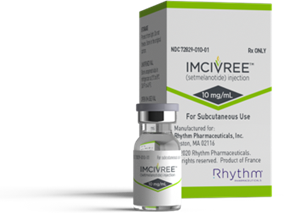
The Food and Drug Administration has approved an expanded indication for Imcivree (setmelanotide), making it the first and only FDA-approved therapy for acquired hypothalamic obesity, Rhythm Pharmaceuticals announced on March 19, 2026 [1]. The label now covers adults and children aged 4 and older, with the stated goal of reducing excess body weight and maintaining that reduction long term [1][2].
Acquired hypothalamic obesity, often shortened to acquired HO, is a rare disease marked by fast and sustained weight gain after an injury to the hypothalamus or hypothalamic dysfunction [1]. It most often follows the growth or treatment of craniopharyngioma, astrocytoma or other hypothalamic-pituitary tumors, but it can also follow traumatic brain injury, stroke or inflammation [1]. Injury to the hypothalamus can lower production of alpha-melanocyte-stimulating hormone and impair signaling in the MC4R pathway, which helps regulate hunger, energy use and body weight [1]. Weight gain can begin as early as six months after the injury and is often accompanied by hyperphagia, or relentless hunger [1]. Rhythm estimates roughly 10,000 people in the US live with acquired HO, based on analysis of published literature, tumor registries and claims data [1].
What the trial showed
The approval rests on the phase 3 TRANSCEND trial, a global study of 142 patients with acquired HO [1]. The study met its primary endpoint of mean change in body mass index from baseline at 52 weeks: participants taking setmelanotide (n=94) had a 15.8% BMI reduction, while those on placebo (n=48) had a 2.6% increase, a placebo-adjusted difference of 18.4 percentage points (p<0.0001) [1].
Rhythm said setmelanotide was generally well tolerated in the trial. Adverse events affecting more than 20% of participants were skin hyperpigmentation, nausea, vomiting and headache [1]. Across all of the drug's approved uses, the most common adverse reactions at 20% or higher in at least one indication included skin hyperpigmentation, injection site reactions, nausea, headache, diarrhea, abdominal pain, vomiting, depression and spontaneous penile erection [1][2].
The label carries several warnings, two of which were added or revised in March 2026 and apply specifically to acquired HO [2]. Among patients with acquired HO and secondary adrenal insufficiency, serious adverse reactions tied to acute adrenal insufficiency were reported in 5% of setmelanotide-treated patients and none of the placebo-treated patients [1]. Among those with acquired HO and central diabetes insipidus, hyponatremia (low blood sodium) occurred in 6% of setmelanotide patients versus 2% on placebo, and hypernatremia (high sodium) in 5% versus 4% [1]. Existing warnings cover disturbance in sexual arousal, depression and suicidal ideation, serious hypersensitivity reactions including anaphylaxis, and skin changes such as darkening of existing moles and development of new ones, with full-body skin exams called for before starting and periodically during treatment [1][2].
Why it matters for patients
Setmelanotide is not a GLP-1 drug. It is a melanocortin 4 receptor agonist given as a once-daily subcutaneous injection, with a titration schedule in the label that differs by age and, for the youngest children, by body weight [2]. That makes it a different class from semaglutide (Ozempic, Wegovy, Rybelsus) or tirzepatide (Mounjaro, Zepbound), and the label explicitly says it is not indicated for general (polygenic) obesity or obesity linked to other genetic syndromes, because it would not be expected to work there [1][2].
For families affected by acquired HO, the practical change is that a targeted option now exists where none was approved before. "IMCIVREE is now the first and only FDA-approved therapy for acquired HO, offering a targeted approach that addresses the underlying biology of this disease and meets a critical unmet need for patients who previously had no treatment options," said David Meeker, Rhythm's chairman, CEO and president [1].
Rhythm said the drug is available in the US immediately and pointed to Rhythm InTune, a support program that offers education, insurance navigation at treatment start and injection support [1]. The company did not disclose a price for the new indication in its announcement, and coverage decisions by insurers are not addressed in the sources.
What happens next
The revised prescribing information is dated 03/2026 and updates the indications, dosage and warnings sections [2]. Rhythm said it would host a conference call and webcast at 7:00 p.m. ET on March 19 to discuss the approval, with an archived webcast available for 30 days afterward [1]. Setmelanotide remains approved in the US and Europe for certain genetic forms of obesity, including Bardet-Biedl syndrome and POMC, PCSK1 or LEPR deficiency; whether regulators outside the US will add the acquired HO indication is not stated in the sources [1].
Sources
Semaglutides.org is for information only and is not medical advice. Always talk to a licensed healthcare provider about your own care. Some links to telehealth services are affiliate links, labeled where they appear.