Lilly spends up to $7.8 billion on a narcolepsy drugmaker
Eli Lilly is paying up to $7.8 billion to acquire Centessa Pharmaceuticals, a company developing a narcolepsy drug, expanding its push into sleep medicine after Zepbound's approval for sleep apnea [1].
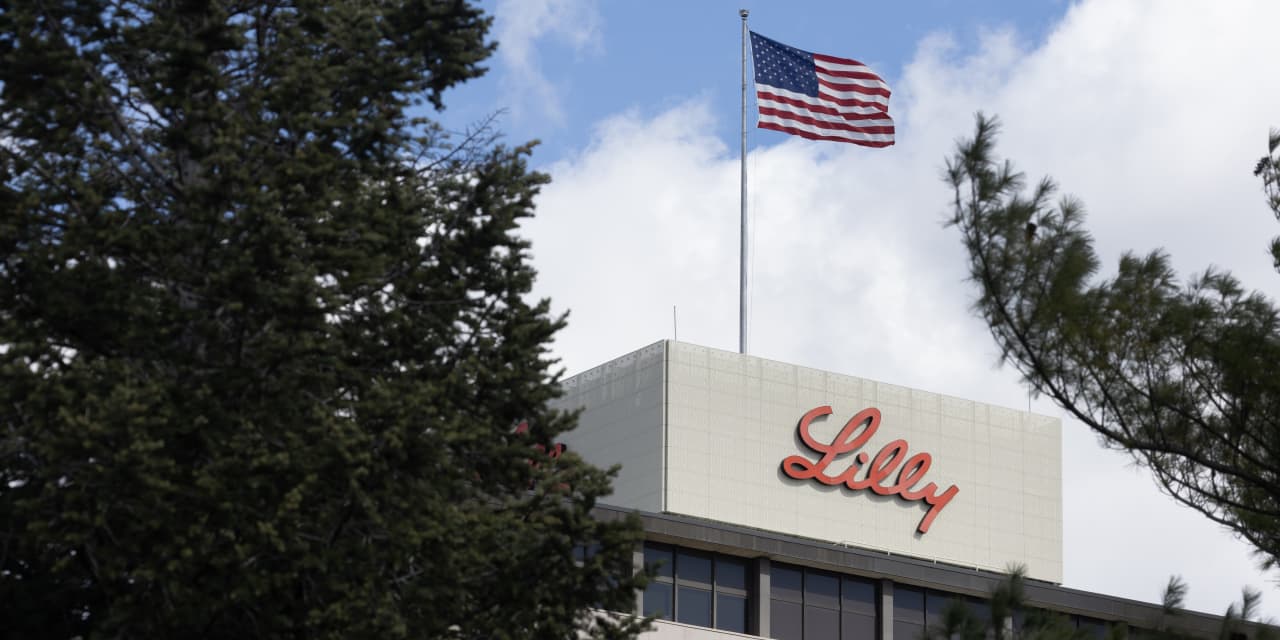
Eli Lilly has agreed to buy Centessa Pharmaceuticals for up to $7.8 billion, adding a company that is developing treatments for narcolepsy and other sleep-wake disorders to its growing portfolio [1]. The deal was announced March 31, 2026, and marks Lilly's latest move to broaden its reach beyond diabetes and obesity drugs into sleep medicine [1].
Centessa's most advanced drug candidate is called cleminorexton, which belongs to a class of medicines known as orexin receptor 2 agonists [1]. These drugs work on a different biological pathway than semaglutide or tirzepatide, targeting the brain's sleep-wake system rather than appetite or blood sugar [1]. Cleminorexton is currently in Phase 2 clinical trials, the middle stage of testing, for three separate conditions, including narcolepsy and idiopathic hypersomnia, both of which cause excessive daytime sleepiness [1].
The acquisition follows Lilly's entry into sleep medicine through Zepbound, the company's tirzepatide-based drug that is already approved for obstructive sleep apnea [1]. That approval gave Lilly a commercial foothold in sleep disorders even though Zepbound's main use remains weight management [1]. Buying Centessa extends that foothold into a different, narrower category of sleep conditions tied to abnormal sleepiness rather than breathing interruptions during sleep [1].
The source material does not specify exactly how the $7.8 billion price will be structured, such as how much might be paid upfront versus tied to future milestones, and it does not give a timeline for when cleminorexton might complete testing or reach the market [1]. Those details are not yet known based on available reporting.
Why it matters for patients
This deal does not change anything for people currently taking Zepbound, Wegovy, Ozempic, Mounjaro, or Rybelsus. Cleminorexton is a different drug, aimed at a different set of conditions, and it is still in mid-stage testing, meaning it has not been approved by the Food and Drug Administration and is not available to patients [1].
For people who live with narcolepsy or idiopathic hypersomnia, the deal signals that a large, well-resourced drugmaker is now backing further development of this treatment. That can matter because bigger companies often have more money and infrastructure to run large clinical trials and, if a drug is eventually approved, to manufacture and distribute it widely. But Phase 2 trials are still early in the multi-year process that separates a promising drug candidate from an approved medicine, and many drugs that reach this stage never make it to pharmacy shelves.
The deal also shows how Lilly, already a major player in obesity and diabetes treatment through tirzepatide, is expanding into sleep medicine more broadly. Zepbound's sleep apnea approval and now this acquisition suggest the company sees sleep-related conditions as a growth area, though the sources do not say how these efforts might connect to Lilly's GLP-1 drugs in the future, if at all [1].
What happens next
No specific dates for trial completion, regulatory filing, or potential FDA review are given in available reporting [1]. Patients interested in narcolepsy or idiopathic hypersomnia treatments will need to watch for updates on when Centessa's Phase 2 trials wrap up and whether Lilly moves the drug into larger, late-stage testing.
Images from the sources
Sources
Semaglutides.org is for information only and is not medical advice. Always talk to a licensed healthcare provider about your own care. Some links to telehealth services are affiliate links, labeled where they appear.