Apotex gets first FDA tentative approval for a generic Ozempic
A generic copy of Ozempic has cleared an early FDA hurdle, pointing toward cheaper semaglutide later, though no version can be sold in the US until Novo Nordisk's protections lapse.
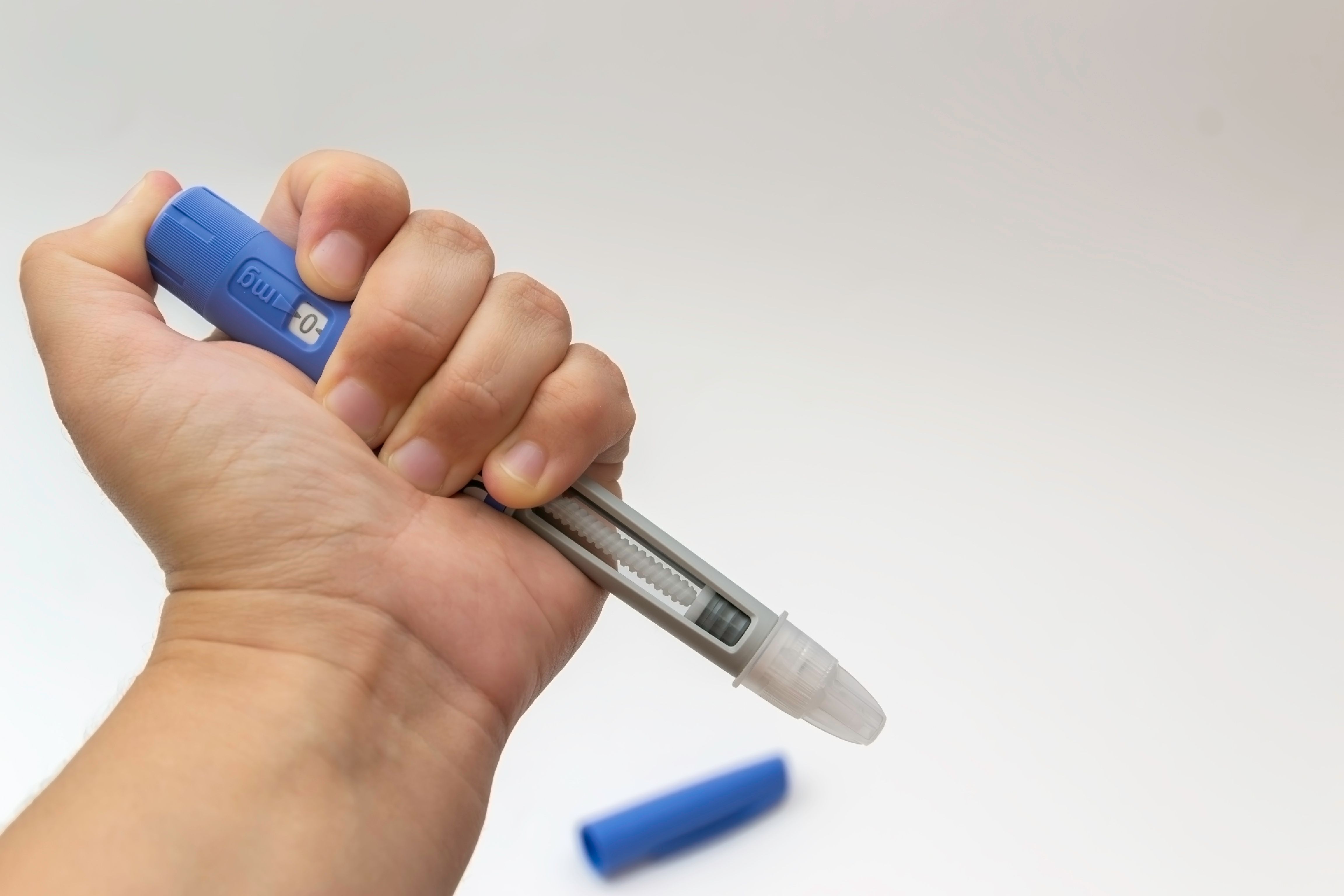
Apotex said on April 10, 2026 that the FDA granted tentative approval to its abbreviated new drug application for semaglutide injection, a generic copy of Novo Nordisk's Ozempic [1][2]. It is the first such tentative approval for a generic version of the drug in the United States [1][2].
Tentative approval is a regulatory middle stage. The FDA has determined that the product satisfies the statutory and regulatory requirements for approval, but the agency cannot allow it to be sold while patents or exclusivities held by the brand manufacturer remain in force [1].
The application was filed by Apotex with Orbicular Pharmaceutical Technologies, a company based in India [1][2]. M. S. Mohan, PhD, Orbicular's managing director, described the work in a news release: "Achieving technical equivalence for complex peptide products requires deep scientific rigor, advanced analytical precision, and a highly disciplined development approach" [2]. Apotex said the two companies used analytical characterization and process understanding to show that its version is equivalent to the branded injection [2].
Much about the future US market is still unstated. Apotex said the tentative approval could let it be among the earliest to sell generic Ozempic after Novo Nordisk's protections end, but it has not said when that might happen, what it would charge, or how many competitors have applications pending [1][2].
Generic semaglutide is already being sold elsewhere. Several products reached the Indian market in March 2026 — from Dr. Reddy's, Zydus, Alkem, Sun Pharma and Glenmark — after Novo Nordisk's main Indian patent on semaglutide expired [1].
In the US, Novo Nordisk has moved in the other direction on the brand side. The FDA approved a 7.2 mg dose of Wegovy (semaglutide) injection on March 20, 2026 for weight loss and long-term weight maintenance in certain adults, under the agency's Commissioner's National Priority Voucher pilot; that higher dose reached the US market in April 2026 [1].
The backdrop is steep growth in spending on this drug class, which has climbed by more than 500% since 2018 [2]. Researchers project the market could almost double over the next decade as the medicines pick up indications in chronic kidney disease and cardiovascular health [2]. Access rules have tightened at the same time: by 2025, prior authorizations for GLP-1 drugs were nearly universal, reaching 100% in many plans, and Medicare Part D designs shaped by the Inflation Reduction Act have pushed plans to limit coverage and raise cost-sharing for expensive brands [2].
The closest precedent is liraglutide, another GLP-1 medicine. A generic version for weight loss won approval in August 2025, and a generic for type 2 diabetes came to market earlier that year; coverage of the brand-name product fell by almost 90% afterward [2].
Compounded semaglutide has drawn enforcement attention as well. The FDA sent warning letters to 30 telehealth companies over misleading claims about compounded versions, which the agency notes do not go through the same premarket safety and quality review as generics. Lawsuits by brand manufacturers have turned up compounded samples with impurity levels as high as 86% [2].
Why it matters for patients
Prescriptions and prices in the US are unchanged by this decision. No generic semaglutide injection may be dispensed here yet, and the tentative approval does not alter insurance coverage or out-of-pocket costs [1].
What it does show is that an FDA-reviewed alternative is further along in the pipeline than before. Whether it arrives, when, and at what price have not been disclosed [1][2].
People using a compounded form may see the news described as a generic approval. It is not one that can be sold, and compounded products are held to different standards than FDA-approved generics [1][2].
The liraglutide case offers a rough idea of how quickly insurance coverage can shift once generic competition begins, with brand coverage there dropping by nearly 90% [2]. That is a comparison, not a forecast for semaglutide.
What happens next
Marketing in the US depends on Novo Nordisk's patents and exclusivities expiring or being resolved. No timeline for that has been announced [1].
Apotex has said only that the tentative approval puts it in position to be an early seller of generic Ozempic once those protections end [1].
Images from the sources
Sources
Semaglutides.org provides information only, not medical advice. Talk to a licensed provider about your own care before making changes. Some telehealth links are affiliate links and are labeled where they appear.