FDA asks Lilly for heart and liver data on the newly approved Foundayo
The FDA's April 1 approval letter for Lilly's obesity pill Foundayo (orforglipron), posted April 14, requires new trials on heart events, liver injury, delayed stomach emptying and breast milk levels.
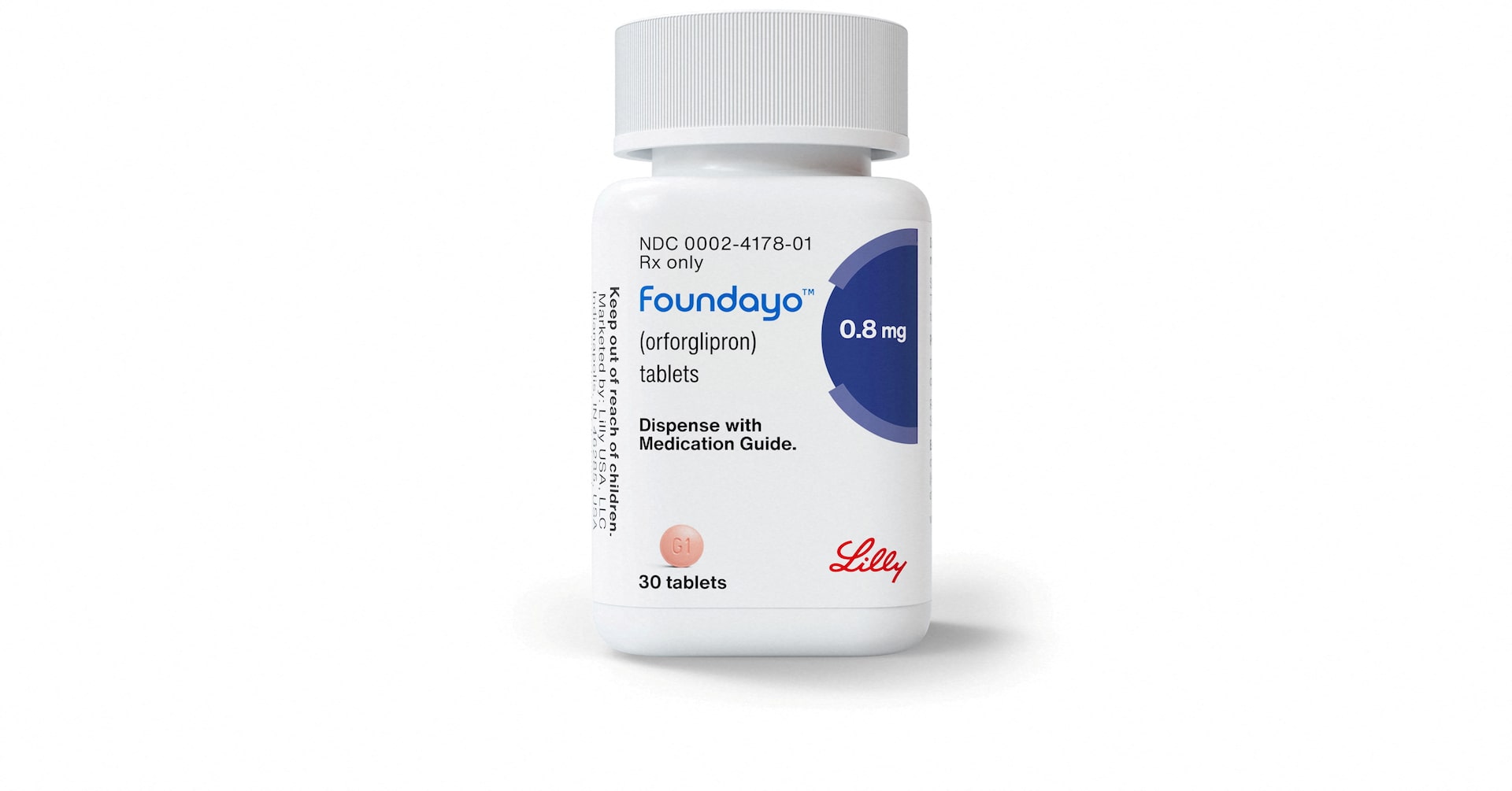
The Food and Drug Administration is requiring Eli Lilly to run additional clinical trials on its newly approved obesity pill Foundayo (orforglipron), according to the agency's approval letter for NDA 220934, which was signed April 1 and posted publicly on April 14 [1][2].
In the letter, the FDA wrote that it "determined that only a clinical trial (rather than a nonclinical or observational study) will be sufficient to assess a signal of a serious risk of retained gastric contents and to identify an unexpected serious risk for major adverse cardiovascular events (MACE), drug-induced liver injury (DILI), and exposure to [Foundayo] during lactation" [3]. In other words, the agency decided that tracking side-effect reports after the drug reaches pharmacies would not be enough to answer those questions [1][3].
A Lilly spokesperson told Reuters that there have been no indications of liver damage associated with the drug in late-stage testing, and added that "the FDA approved Foundayo based on its review of data from the ATTAIN clinical program, with post-approval requirements consistent with the agency's standard approach to ongoing safety evaluation of newly approved medicines" [2].
What the FDA is asking for
For heart and liver safety, the agency told Lilly to complete its ongoing Achieve-4 study as planned and submit a clinical study report detailing any major cardiovascular or liver safety events recorded during the trial [3]. That trial compares orforglipron with insulin glargine in people with type 2 diabetes and obesity or overweight who are at increased cardiovascular risk [2][3].
The FDA also ordered a clinical pharmacology trial that uses ultrasound to measure how pausing doses and fasting affect retained stomach contents — a way of studying the delayed gastric emptying seen with GLP-1 drugs [2][3]. The agency said the goal is to "inform potential recommendations to mitigate the serious risk of pulmonary aspiration," the risk of stomach contents entering the lungs, which is a concern around surgery and sedation [3]. Separately, Lilly must conduct a "milk-only lactation study in lactating women who have received a dose of orforglipron to assess concentrations of orforglipron in breast milk using a validated assay" [2][3].
The letter also lays out pediatric obligations. The FDA waived studies in children under 6 but deferred, and therefore required, studies in ages 6 to 11 and 12 to 17 [1]. Lilly must finish the ongoing 72-week ADVANCE-ATTAIN-ADOLESCENTS trial in patients aged 12 to under 18, with study completion set for March 2028 and a final report due December 2028, and run an 84-week trial in children aged 6 to under 12, completing in March 2031 with a final report in February 2032 [1].
Beyond the trials, the FDA required long-running registries: a pediatric obesity registry cohort study of at least 10 years, two separate pregnancy-outcome studies, and a medullary thyroid carcinoma case series of at least 15 years, with a final report due August 2043 [1]. The letter notes the application was not sent to an advisory committee "because there were no controversial issues that would benefit from advisory committee discussion" [1].
Why it matters for patients
Postmarketing requirements do not mean the FDA found harm. They mean questions remain open at the time of approval. For someone weighing an oral GLP-1, the practical takeaway is that answers on heart outcomes, liver injury and breast milk transfer for orforglipron are still years away, and current labeling reflects what was known from the ATTAIN program [2][3].
The gastric-emptying study is the one most likely to change day-to-day guidance, since its stated purpose is to shape recommendations about withholding doses and fasting before procedures [3]. Any resulting label changes are not yet known.
BMO Capital Markets analyst Evan Seigerman told Reuters the requirements are notable but that "we do not expect these studies to have any meaningful impact on the competitive positioning of Lilly's asset," calling it "a reflection of conservatism from (the) FDA" [2].
Foundayo was approved under the FDA's Commissioner's National Priority Voucher program and went on sale in early April, competing with Novo Nordisk's Wegovy pill, which was cleared in January [2][3]. Reported weight-loss figures differ by source and analysis: Reuters cited an 11% reduction over 72 weeks for Foundayo versus about 14% over 64 weeks for the oral Wegovy [2], while Fierce Pharma cited 12.4% average loss among patients who adhered to treatment versus 16.6% for the Wegovy pill, noting cross-trial comparisons are flawed [3].
What happens next
Key dated milestones from the letter: adolescent trial completion March 2028; pediatric trial in ages 6 to 11 completing March 2031; pregnancy registry draft protocol October 2026; and the thyroid cancer registry running through 2042 [1].
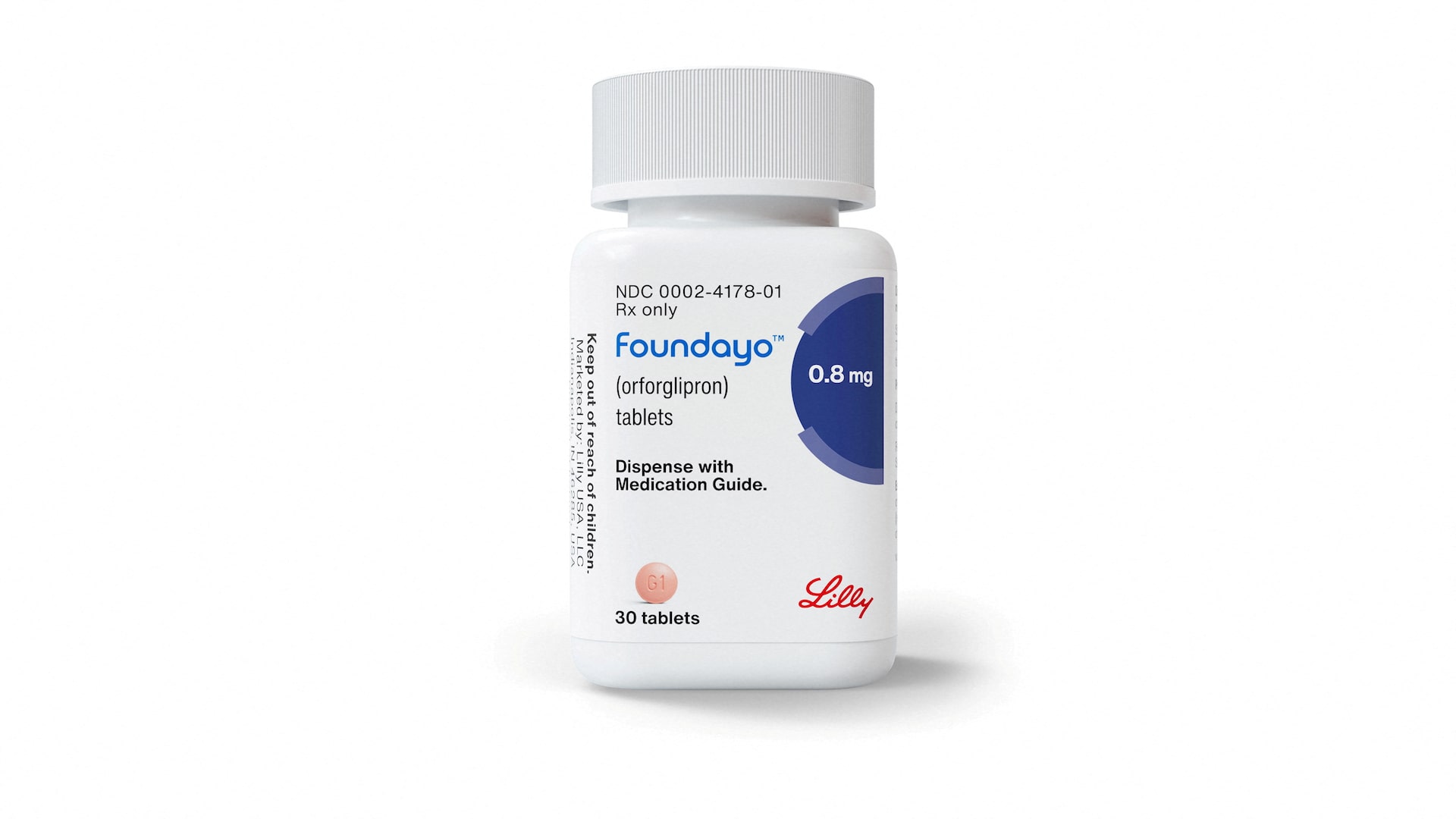
Images from the sources
Sources
- https://www.accessdata.fda.gov/drugsatfda_docs/appletter/2026/220934Orig1s000ltr.pdf
- https://www.reuters.com/business/healthcare-pharmaceuticals/us-fda-requires-lilly-conduct-post-marketing-studies-obesity-pill-2026-04-14
- https://www.fiercepharma.com/pharma/fda-tells-eli-lilly-round-more-safety-info-key-obesity-launch-foundayo
Semaglutides.org is for information only and is not medical advice. Always talk to a licensed healthcare provider about your own care. Some links to telehealth services are affiliate links, labeled where they appear.