India seizes more than 260 suspected counterfeit Mounjaro pens and arrests two people
A counterfeit tirzepatide case in India shows how unlicensed sellers can move look-alike pens outside the cold chain, with lab confirmation still pending.
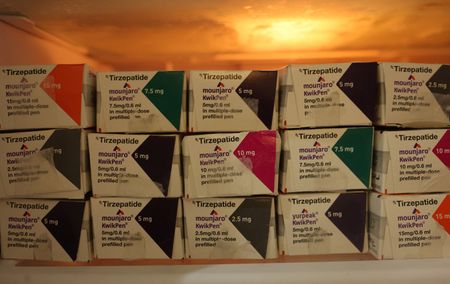
Drug control officials in the northern Indian state of Haryana seized more than 260 suspected counterfeit pens of Mounjaro, Eli Lilly's tirzepatide injection, and arrested two people accused of making and selling them, the Haryana Food and Drug Control Administration said [1].
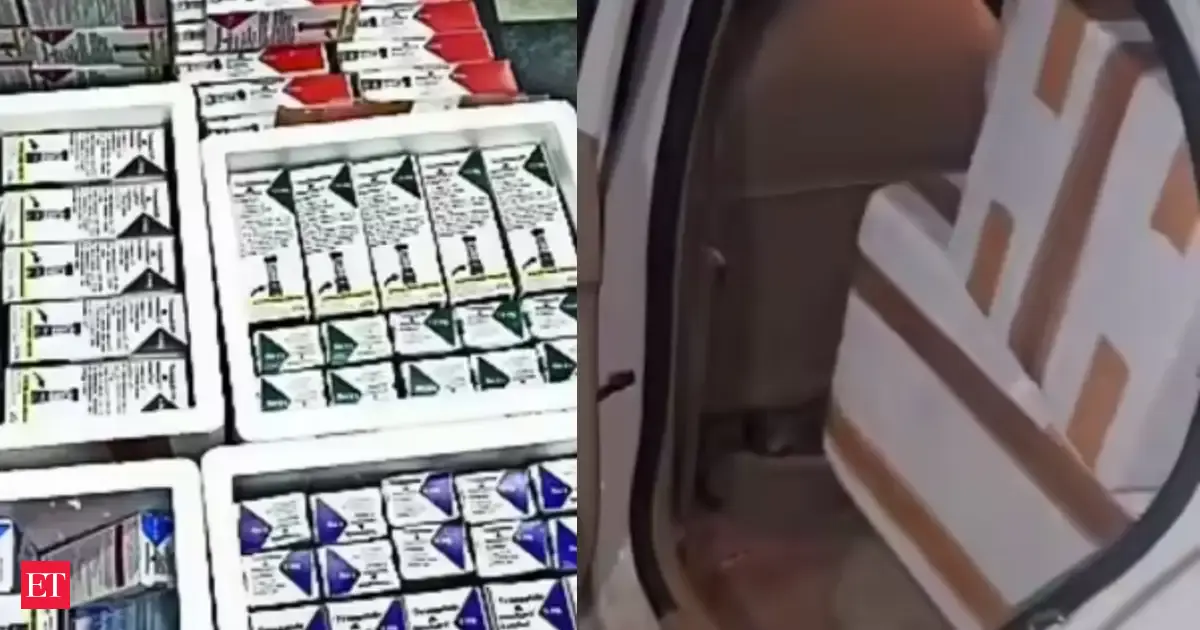
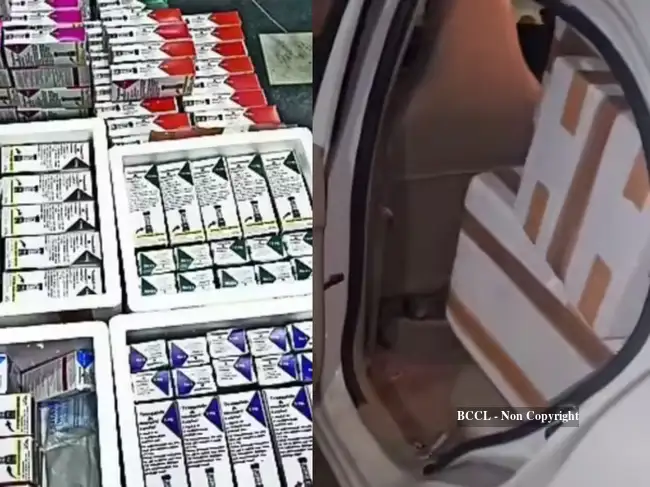
Officials recovered the pens from a vehicle on the outskirts of New Delhi on Saturday, according to Reuters [1]. The Economic Times reported the interception happened in Gurgaon near Super Mart-1 at around 7:25 p.m., and that the cartons held Mounjaro KwikPen injections in strengths from 2.5 mg to 15 mg [2]. The Economic Times estimated each pen at about 28,000 rupees, putting the consignment's value at more than 70 lakh rupees, or roughly $75,000 at the exchange rate Reuters cited [1][2]. Reuters reported the recovered materials were valued at around 7 million rupees, citing Drug Control Officer Amandeep Chauhan [1].
Reuters initially reported more than 500 pens, then corrected the figure to more than 260 after the drug control officer revised the number [1].
What officials say about the operation
Chauhan told Reuters the main accused did not have a pharmaceutical license and made the products at a private property, and that the peptides used were sourced from vendors on the Chinese e-commerce platform Alibaba [1]. The two arrested individuals sold the pens on the online marketplace IndiaMART at a 27% discount to the genuine drug's price, he said [1]. Officials also recovered large quantities of raw materials, including locally made Mounjaro packaging labels, Reuters reported [1].
The Economic Times reported that a man identified as the consignment's owner, a resident of Sohna, could not produce a valid license for storing, distributing or selling tirzepatide injections when called to the scene [2]. That outlet named the two men detained; Reuters did not name them.
Investigators flagged two problems beyond the missing license. The pens had not been stored at the required temperature of 2 to 8 degrees Celsius, and they showed differences in font sizes and other label details compared with the genuine product, which Chauhan said raised suspicion they were counterfeit [1][2]. The Economic Times reported the stock was being transported in ice boxes, with inspection later revealing cold-chain violations [2].
Samples have been sent to government-run laboratories for confirmation, Chauhan said, and the accused are in judicial remand [1]. Authorities invoked provisions of India's Drugs and Cosmetics Act covering spurious drugs and related offenses, and halted sale of the seized batches until verification is complete [2].
Lilly said it "takes patient safety extremely seriously and welcomes regulatory authority's action against illicit medicines," adding that it is supporting the investigation [1]. Alibaba and IndiaMART did not immediately respond to Reuters' requests for comment, and Reuters said it could not independently verify the claims [1].
Mounjaro was launched in India in 2025 and has become the country's top-selling drug by value. India's obesity market is expected to be worth 80 billion rupees, or $859.38 million, by 2030 [1].
Why it matters for patients
Tirzepatide is sold in the United States as Mounjaro and Zepbound by Eli Lilly [1]. Counterfeit versions of injectable weight-loss drugs have appeared in several markets as demand has grown, and this case shows the pattern: unlicensed production, unverified raw materials and a broken cold chain.
Cold-chain storage matters for injectable medicines, which are labeled for storage between 2 and 8 degrees Celsius [2]. What the seized pens actually contained has not been established. It has not been reported whether laboratory tests found tirzepatide, another substance or no active ingredient, and it has not been reported whether the pens were sterile. Whether any of the seized pens reached patients has not been disclosed, and no link to supplies sold outside India has been reported.
Label and packaging mismatches were one of the signals that prompted suspicion here, according to officials [1][2].
What happens next
Government laboratory results on the seized samples are pending, and officials said action would follow once the network is mapped [1][2]. A senior drug control official told the Times of India: "We are verifying packaging, quality and authenticity. Action will be taken against everyone involved once the full network is exposed" [2]. Investigators are examining whether the shipment was routed through the Bhagirath Palace pharmaceutical market in Delhi, and are tracing the source of the injections, distribution hubs and retail or online sales channels [2]. No dates for those steps have been disclosed.
Images from the sources
Sources
Semaglutides.org provides information only, not medical advice. Talk to a licensed provider about your own care before making changes. Some telehealth links are affiliate links and are labeled where they appear.