NHS England moves tirzepatide prescribing into the GP contract
England folded Mounjaro (tirzepatide) prescribing into the 2026/27 GP contract on April 1 with GBP 25 million and bonuses up to about GBP 3,000 per practice, but participation is voluntary and eligibility stays narrow.
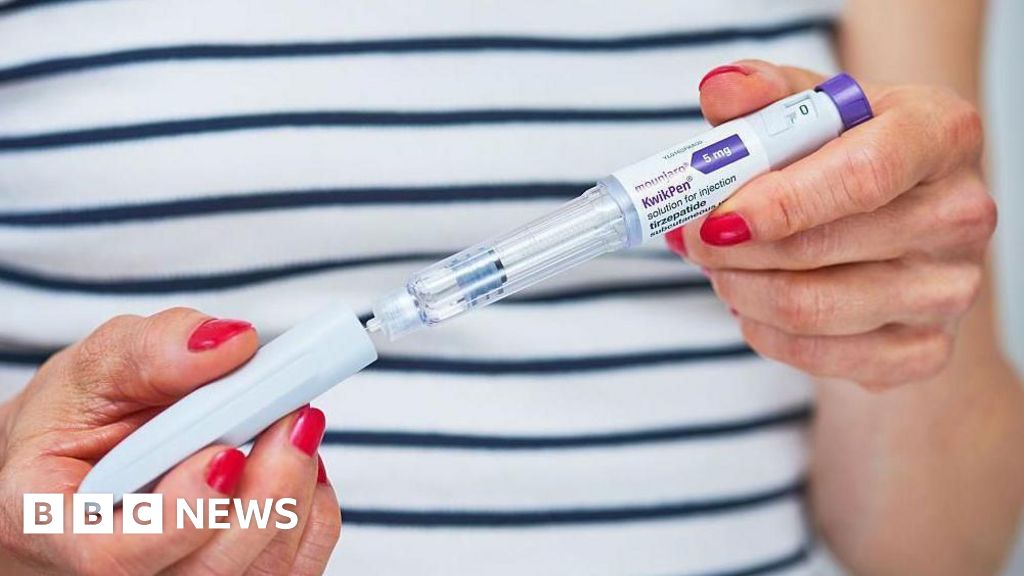
NHS England moved tirzepatide prescribing for obesity out of separately funded local services and into the 2026/27 GP contract on April 1, 2026, using new optional Quality and Outcomes Framework (QOF) indicators [2]. The change was announced by the Department of Health and Social Care on February 23, 2026, and comes with GBP 25 million in ring-fenced funding and practice bonuses of up to about GBP 3,000 a year [1][3].
Tirzepatide is sold as Mounjaro in the UK for obesity and type 2 diabetes; in the US the obesity brand is Zepbound. The incentive payments apply only to Mounjaro [3]. Semaglutide sold as Wegovy is not prescribed by GPs in England and is handled through specialist NHS weight management services instead [3]; one NHS integrated care board notes that NICE has not approved semaglutide (Wegovy) or liraglutide (Saxenda) for prescribing in GP or community settings [2].
What changed on April 1
From June 2025 through March 31, 2026, NHS England funded integrated care boards (ICBs) to commission local services that triaged patients, prescribed through trained prescribers, and referred people to "wrap-around" lifestyle support [2]. In February 2026, NHS England confirmed it would not fund ICBs to continue those services past March 31, 2026, shifting prescribing into the GP contract instead [2].
The money is structured as bonuses. The BBC reported practices will be paid an average of GBP 3,000 a year for prescribing to the maximum number of eligible patients, with the size of the payment depending on practice size, plus roughly GBP 1,000 a year for referring patients into weight loss programs [3]. One consumer health site described the same package as "up to GBP 3,000" per practice plus two new QOF indicators covering BMI recording and referral into structured weight management [1]. Wrap-around nutritional and behavioral support must accompany the medication, and patients who decline that support cannot be prescribed tirzepatide [1][2].
Crucially, practices do not have to take part. "GP practices are not mandated to prescribe tirzepatide, and participation may vary between practices," NHS Cheshire and Merseyside wrote, adding that meeting eligibility criteria "does not guarantee access to treatment" and that the ICB could not yet confirm which local practices would prescribe, warning of a possible "pause" in prescribing [2].
Who qualifies, and a discrepancy in the sources
The sources do not fully agree on eligibility timing. NHS Cheshire and Merseyside lists Cohort 1 as BMI of at least 40 with at least four of five conditions (type 2 diabetes, hypertension, dyslipidemia, cardiovascular disease, obstructive sleep apnea), with Cohort 2 (BMI 35 to 39.9 plus four conditions) starting June 23, 2026 and Cohort 3 (BMI 40-plus with three conditions) starting April 1, 2027 [2]. A separate account says the 2026/27 thresholds move to BMI 35 with four conditions or BMI 40 with three [1]. BMI thresholds are lowered by 2.5 kg/m2 for people from South Asian, Chinese, other Asian, Middle Eastern, Black African or African-Caribbean backgrounds [2].
The British Medical Association's Dr. Katie Bramall said that despite the headlines, "in reality there will be no change to NHS England's eligibility criteria for patients to access injectable weight-loss medication on the NHS" [3].
Why it matters for patients
For US readers, this is a look at how another large payer is rationing the same drugs Americans are fighting their insurers over. England's answer is a narrow clinical gate plus payments to prescribers, not open access. Even with new money, the constraint is who qualifies, not who is willing to write the script.
It also shows how much of the market sits outside public coverage. More than 1 million people in the UK are estimated to be using weight loss injections, and nine in 10 pay privately [3]. Health Secretary Wes Streeting framed the contract change as an attempt to make access "based on need, not ability to pay" and to counter "rogue prescribers peddling dangerous unlicensed drugs" [1][3].
Analysts warned the effect will be modest. Katharine Jenner of the Obesity Health Alliance called the incentives welcome but said "NHS access will remain very limited" [3]. Prof. Victoria Tzortziou Brown of the Royal College of GPs said wider rollout could raise workload and "unrealistic expectations" [3].
What happens next
Cohort 2 access is scheduled for June 23, 2026, and Cohort 3 for April 1, 2027, per NHS Cheshire and Merseyside [2]. NICE has committed to reviewing access criteria after year three [2]. NHS England expects 220,000 patients on tirzepatide by 2028 [3]. How many practices opt in is not yet known.
Images from the sources
Sources
Semaglutides.org is for information only and is not medical advice. Always talk to a licensed healthcare provider about your own care. Some links to telehealth services are affiliate links, labeled where they appear.