Section 232 proclamation imposes 100% tariffs on patented pharmaceuticals
A new Section 232 proclamation puts a 100% tariff on imported brand-name drugs and their ingredients starting July 31, 2026 for 17 named companies, including the makers of Ozempic, Wegovy, Mounjaro and Zepbound.
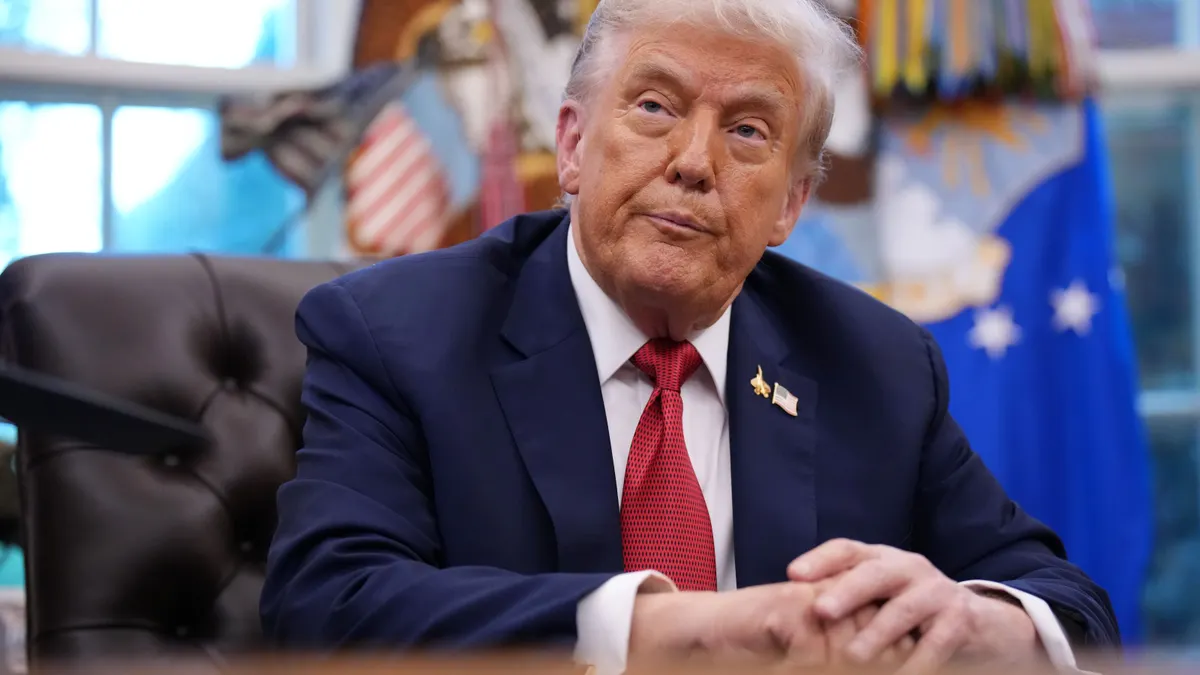
On April 2, 2026, the President signed a proclamation titled "Adjusting Imports of Pharmaceuticals and Pharmaceutical Ingredients into the United States," imposing a 100% ad valorem tariff on imported patented drugs, active pharmaceutical ingredients (APIs) and key starting materials [1]. The tariff takes effect July 31, 2026 for 17 large drugmakers named in Annex III — a list that includes Eli Lilly, Pfizer and Novo Nordisk — and September 29, 2026 for all other importers [2][3].
The action follows a Section 232 national security investigation. Commerce found that, according to the FDA, roughly 53% of patented pharmaceutical products distributed in the US as of 2025 are made outside the country, and only about 15% of patented APIs by volume are produced domestically for the US market [1].
The rates are not one number
The headline 100% rate is the ceiling, not what most products will pay. Companies with onshoring plans approved by the Commerce Secretary get a 20% rate, which rises to 100% on April 2, 2030 [1]. Companies that also sign Most-Favored-Nation (MFN) pricing agreements with the Department of Health and Human Services pay zero through January 20, 2029 [1][3]. Thirteen companies listed in Annex II reached such agreements between December 2025 and March 2026, according to a legal analysis of the proclamation [2]. Firms that are merely "likely soon to have" an agreement in principle can also qualify for the lower rates [1][2].
Country rates matter too. Products from Japan, the European Union, South Korea, Switzerland and Liechtenstein face 15% [1][3]. The UK rate is set at 10% in the proclamation text, dropping to zero under a pharmaceutical pricing agreement [1]; Customs and Border Protection said in a July 31 notice that patented UK pharmaceuticals face 0%, and a USTR document states the Section 232 action will apply no tariffs to UK patented and non-patented drugs from January 1, 2026 through January 19, 2029 [3].
Generics and biosimilars are exempt for now, as are US-origin products "at this time" [1][2]. Annex IV lists 526 HTS codes at a 0% rate [2]. Certain specialty categories — orphan drugs, cell and gene therapies, plasma-derived products, fertility treatments and others — can get 0%, but only after Commerce makes and publishes a formal determination, and the timing of those determinations is unclear [1][2].
Why it matters for patients
GLP-1 medicines are branded and patented, so they fall inside the covered category rather than the generic carve-out [2]. Two of the three GLP-1 makers most familiar to US patients — Novo Nordisk (Ozempic, Wegovy, Rybelsus) and Eli Lilly (Mounjaro, Zepbound) — are on the 17-company list with the earlier July 31 effective date [3].
Whether any of this reaches a pharmacy counter is not settled by these documents. Tariffs are paid by importers, not patients, and the law firm analysis notes the ultimate impact "will vary widely" by product classification, country of origin and whether a company qualifies for relief [2]. It also warns that if the tariffs are imposed, they "could significantly increase costs of branded drugs for manufacturers, patients, and payors" [2]. The sources do not say which specific GLP-1 products or ingredients are shipped from where, and they do not confirm which companies are among the 13 with zero-rate MFN deals. That remains unknown from this record.
One related signal: Eli Lilly announced an additional $4.5 billion for two sites in Lebanon, Indiana, a campus described as the production hub for APIs supporting its diabetes and obesity franchise, including tirzepatide [5]. Lilly issued a press release accompanying a November 2025 agreement with the federal government [5].
What happens next
- By early July 2026: Commerce and HHS must update the President on negotiations within 90 days of the proclamation [1].
- July 31, 2026: Tariffs begin for the 17 named companies [2][3].
- September 29, 2026: Tariffs begin for all other importers [2][3].
- By April 2027: Commerce is to advise whether tariffs on generics are warranted [2][3].
- January 20, 2029: The zero rate for MFN-agreement companies expires [1].
- April 2, 2030: The 20% onshoring rate rises to 100% [1].
Images from the sources
Sources
- https://www.whitehouse.gov/presidential-actions/2026/04/adjusting-imports-of-pharmaceuticals-and-pharmaceutical-ingredients-into-the-united-states
- https://www.ropesgray.com/en/insights/alerts/2026/04/100-on-brand-us-imposes-new-tariffs-and-key-exemptions-on-patented-pharmaceuticals
- https://www.supplychaindive.com/news/trump-tariffs-patented-drug-imports/816550
- https://www.whitehouse.gov/presidential-actions/2026/04/adjusting-imports-of-pharmaceuticals-and-pharmaceutical-ingredients-into-the-united-states/
- https://www.peacocktariffconsulting.com/lilly-doubles-down-on-lebanon-4-5-billion-more-for-indiana/
- https://www.washingtonexaminer.com/policy/healthcare/4514159/trump-launches-100-tariffs-drugmakers-pricing-deals/
Semaglutides.org is for information only and is not medical advice. Always talk to a licensed healthcare provider about your own care. Some links to telehealth services are affiliate links, labeled where they appear.