Mounjaro passes Keytruda as the world's best-selling drug
Eli Lilly's tirzepatide (Mounjaro) posted $8.7 billion in first-quarter 2026 sales, topping Merck's Keytruda at $7.9 billion — a sign of how big GLP-1 spending has become [1].
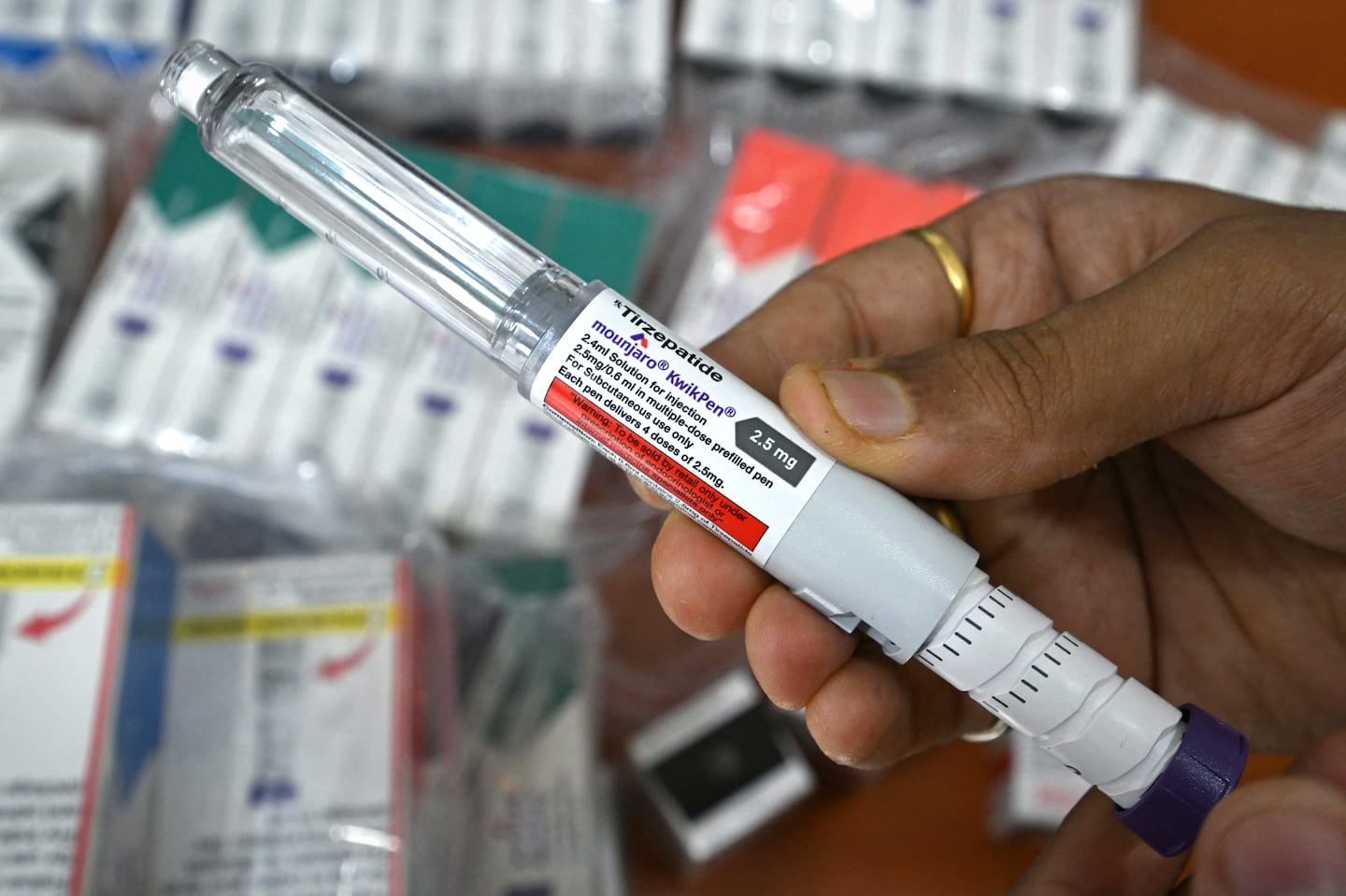
Eli Lilly's diabetes drug Mounjaro has become the world's best-selling medication, ending Keytruda's three-year run at the top. Mounjaro brought in $8.7 billion in the first quarter of 2026, ahead of the $7.9 billion Merck reported for its cancer immunotherapy Keytruda [1].
It is the first time a diabetes and weight medicine has held the No. 1 spot. Keytruda had led global drug sales since the first quarter of 2023, when it displaced AbbVie's autoimmune drug Humira [1].
The numbers behind the shift
Mounjaro and Zepbound are the same molecule, tirzepatide, sold under different brand names — Mounjaro for type 2 diabetes and Zepbound for weight management. Counted together, the two brands generated $36.5 billion in 2025, compared with $31.6 billion for Keytruda over the same year [1].
The quarterly comparison that produced the new ranking treats Mounjaro on its own. That distinction matters: the "world's top-selling drug" title is usually assigned brand by brand, even when two brands share an active ingredient [1].
Analysts had predicted for years that Lilly's medicines would rank among the best-selling drugs of all time, even though they reached the market after Novo Nordisk's semaglutide products, Ozempic and Wegovy [1].
The sales growth also came despite two headwinds. Copycat versions of these medicines were launched during shortages, and the Trump administration's affordability push pressured prices across the GLP-1 market [1]. Neither of those appears to have slowed Lilly's revenue, according to the reported figures [1].
Why it matters for patients
A sales milestone is not a clinical result. Nothing in these numbers says tirzepatide works better or worse than it did last quarter, and nothing here compares it head-to-head with semaglutide or any other treatment. The source reports revenue only [1].
What the figures do show is scale. When a single drug clears $8.7 billion in three months [1], it means a very large number of people are filling prescriptions, and a very large amount of money is flowing from insurers, employers, government programs and patients' own pockets into one product. That scale is what drives the policy fights patients feel most directly — coverage rules, prior authorization, formulary placement and out-of-pocket costs.
It also helps explain why price pressure has become a central storyline. The reporting notes that the administration's affordability push pressured prices in the GLP-1 market [1], but the source does not spell out what those price changes were, how they were applied, or whether they reached individual patients at the pharmacy counter. That detail is not yet known from this reporting.
One more caution on reading these figures: the reported totals are company revenue, not the price any one person pays. They do not break out how much came from the United States versus other countries, how much came from diabetes versus weight prescriptions, or how many people were treated. The source does not provide that breakdown [1].
Finally, sustained demand at this level is a mixed signal for supply. Copycat medicines appeared during earlier shortages [1], and heavy demand has historically been what strains manufacturing. Whether current volumes affect availability of any specific dose or presentation is not addressed in the source.
What happens next
The next natural checkpoint is the following quarter's earnings reports from Lilly and Merck, which will show whether the lead holds or was a one-quarter crossover. The source does not give a date for those reports [1].
Also worth watching, though not detailed in this reporting: how the affordability push evolves, and whether it changes list or net prices for tirzepatide or for semaglutide products. The source describes only that pressure existed, not where it lands next [1].
For anyone weighing one of these medicines, questions about coverage, cost and clinical fit are best taken to a clinician or pharmacist — sales rankings do not answer them.
Sources
Semaglutides.org is for information only and is not medical advice. Always talk to a licensed healthcare provider about your own care. Some links to telehealth services are affiliate links, labeled where they appear.