Novo Nordisk relaunches Rybelsus as the Ozempic pill in new strengths
The reformulated oral semaglutide is now sold as the Ozempic pill in 1.5 mg, 4 mg and 9 mg doses, with self-pay prices of $149 to $299 a month.
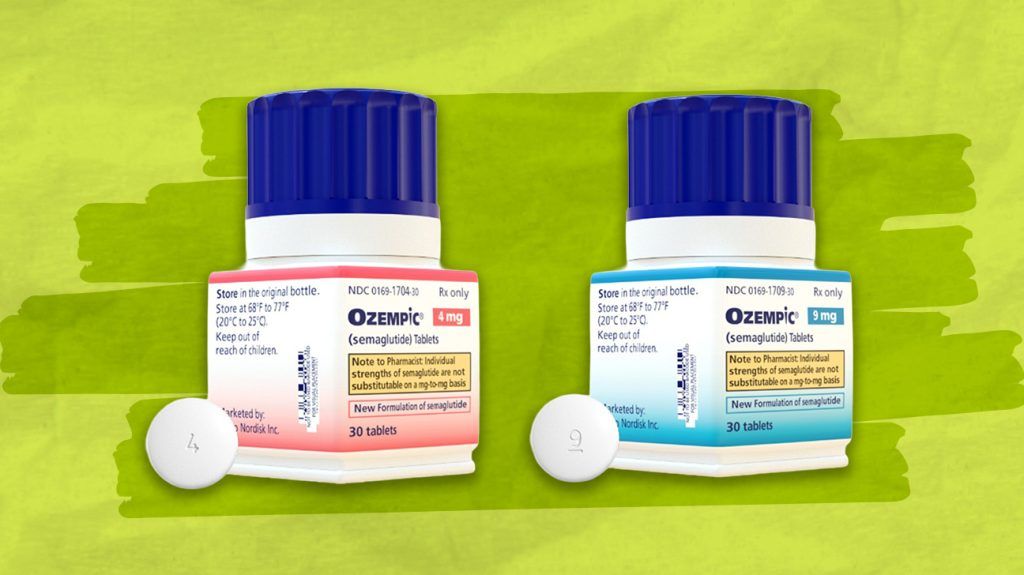
Novo Nordisk's oral semaglutide for type 2 diabetes is now sold in the United States as the Ozempic pill. The reformulated tablets became available nationwide on May 4, 2026 in 1.5 mg, 4 mg and 9 mg strengths, replacing the Rybelsus tablets that came in 3 mg, 7 mg and 14 mg [1][3].
Rybelsus was the first oral GLP-1 receptor agonist approved by the FDA, in 2019, and had been sold under that name since then [1][3]. The newer version, known as the R2 formulation, was approved in December 2024 [3]. Novo Nordisk says the reformulated pill is smaller and more bioavailable while offering the same efficacy and safety profile as the original [1].
According to Pharmacy Times, improved excipient composition raises semaglutide exposure by about 25% compared with the older tablets [3]. Because of that, lower-numbered doses deliver the same amount of drug to the body: 1.5 mg of the new pill is bioequivalent to 3 mg of Rybelsus, 4 mg to 7 mg, and 9 mg to 14 mg [3]. The two versions are not milligram-for-milligram interchangeable, and patients should not switch formulations without guidance from a prescriber [3].
Novo Nordisk says the pill is available through more than 70,000 U.S. pharmacies, as well as select telehealth providers and mail-order services [1]. Self-pay prices listed by NovoCare Pharmacy are $149 a month for 1.5 mg, $199 a month for 4 mg, and $299 a month for 9 mg [2][4]. For people with commercial insurance, the company advertises a copay as low as $25 a month for up to a three-month supply, subject to a maximum savings of $100 a month, with government beneficiaries excluded [2][4].
Novo Nordisk said the pill should be taken the same way as before, so a person who took 3 mg of Rybelsus would now take 1.5 mg, and so on [1]. Administration instructions are unchanged: first thing in the morning, on an empty stomach, with no more than 4 ounces of plain water, and at least 30 minutes before food, drinks or other oral medicines [3].
Mir Ali, MD, a bariatric surgeon at MemorialCare Orange Coast Medical Center, told Medical News Today that the Ozempic branding is more widely recognized than Rybelsus, "which may lead to increased patient requests," and that the oral form's longer shelf life "may offer logistical advantages for certain prescribing patterns" [1]. He said the main advantages of oral GLP-1 medicines are that they are easier to take, transport and store, while the disadvantages are that they are "slightly less effective than injections and require daily instead of weekly administration" [1].
Why it matters for patients
The Ozempic pill is a different product from the Wegovy pill, which is oral semaglutide 25 mg and was approved in December 2025 as an adjunct to diet and exercise for chronic weight management [3]. The Ozempic pill is approved only to lower hemoglobin A1c and reduce the risk of major cardiovascular events in adults with type 2 diabetes at increased risk [3]. In the SOUL trial, which enrolled 9,650 patients, oral semaglutide reduced major adverse cardiovascular events compared with placebo, with consistent results across subgroups regardless of SGLT2 inhibitor use [3].
Research suggests injectable semaglutide achieves significantly greater A1c reductions than oral forms, and that adverse events occur more frequently with oral semaglutide [1]. The most common side effects across oral semaglutide formulations are nausea, diarrhea, vomiting and constipation, which tend to be dose-dependent and to lessen over time; the drug's low, variable bioavailability may contribute to a modestly higher gastrointestinal burden than subcutaneous injections [3]. All semaglutide products carry a boxed warning for risk of thyroid C-cell tumors and are contraindicated in people with a personal or family history of medullary thyroid carcinoma or multiple endocrine neoplasia type 2 [3].
Because a lower dose number does not mean a weaker medicine, pharmacists are advising patients transitioning from Rybelsus to the Ozempic tablet not to assume their treatment has changed [3].
What happens next
The Rybelsus brand is being phased out in the United States as the Ozempic pill takes its place [3]. Novo Nordisk says it reserves the right to modify or cancel its savings programs at any time [2][4]. A limited-time offer for new patients paying $199 a month for the 0.25 mg and 0.5 mg Ozempic pen runs for two monthly fills through December 31, 2026, after which those doses are listed at $349 a month [2][4]. Whether the company plans further changes to oral semaglutide pricing or branding has not been reported.
Sources
- https://www.medicalnewstoday.com/articles/new-ozempic-pill-may-offer-more-affordable-alternative-to-injectables
- https://www.novocare.com/pharmacy/ozempic.html
- https://www.pharmacytimes.com/view/from-rybelsus-to-the-wegovy-pill-what-pharmacists-need-to-know-about-the-next-generation-of-oral-semaglutide
- https://www.novocare.com/content/dam/novonordisk/novocare/redesign/pdf/Ozempic_Price_Guide.pdf
Semaglutides.org provides information only, not medical advice. Talk to a licensed provider about your own care before making changes. Some telehealth links are affiliate links and are labeled where they appear.