Cigna drops GLP-1 coverage for its own employees
Cigna will stop paying for Wegovy, Zepbound and other GLP-1 weight-loss drugs in the health plan covering its own 67,700 employees on July 1, 2026 [1].
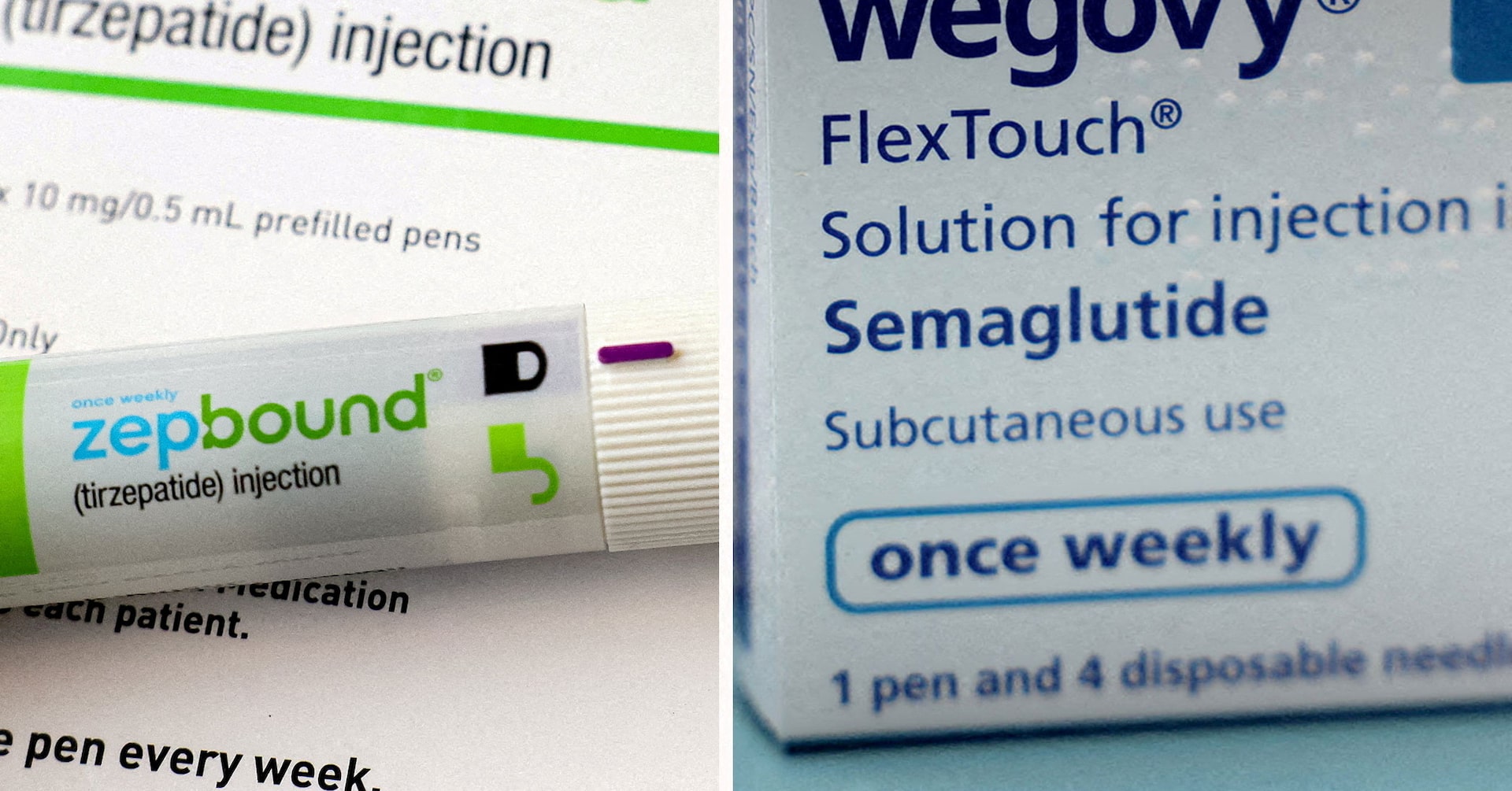
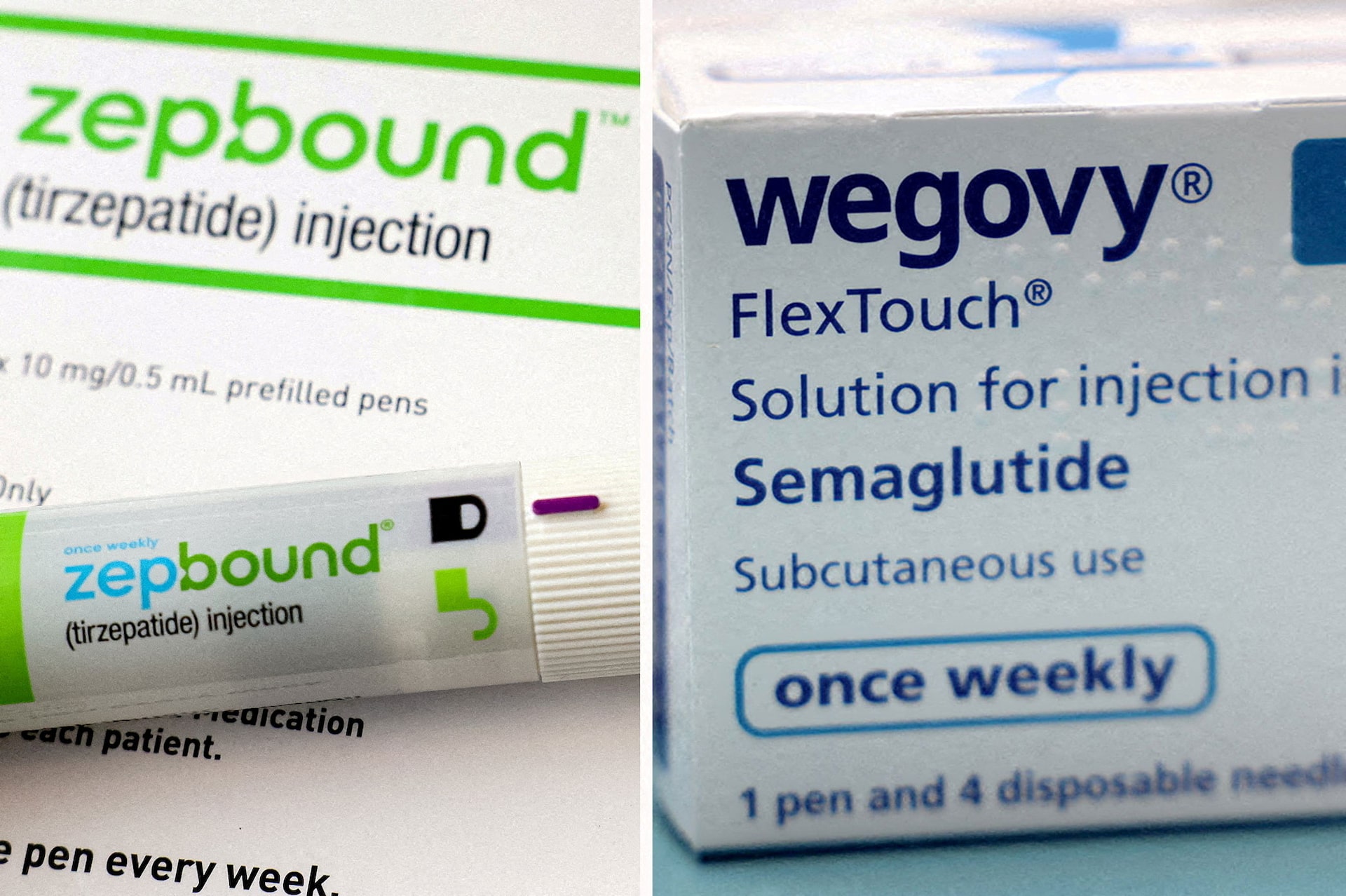
Cigna has told its own employees that its company health plan will stop covering GLP-1 drugs used for weight loss, including Novo Nordisk's Wegovy (semaglutide) and Eli Lilly's Zepbound (tirzepatide), effective July 1, according to plan materials reviewed by Reuters [1]. The change to the Cigna Group Medical Plan was announced in an email to staff on June 1 [1].
A Cigna spokesperson confirmed the decision. "As availability has increased and new options have emerged, we've made the decision to end our plan's coverage for GLP-1s for weight loss," the spokesperson said, adding that the company "remain[s] committed to supporting our employees' health through a range of weight management programs and resources" [1].
The move is notable because Cigna is not just an employer. The Cigna Group operates the Cigna health insurer, the health services unit Evernorth and the pharmacy benefit manager Express Scripts [1]. The company had 67,700 employees at the end of 2025, 88% of them based in the United States [1].
What the change covers
The cutoff applies only to weight-loss use inside Cigna's own employee plan. The spokesperson said the change will not affect coverage for plans outside the employee health plan, and it will not affect coverage of the drugs for treating type 2 diabetes [1]. Employees currently taking the medications have until June 30 to refill their prescriptions [1].
In a document circulated to staff, Cigna suggested that employees still using the drugs could pay cash through manufacturer websites or TrumpRx [1]. The document said those cash purchases will not count toward a deductible — the amount enrollees must spend before their health coverage kicks in [1].
For employees who already had insurance approvals for GLP-1s, Cigna said it would cover older, generic weight-loss drugs including phentermine, diethylpropion, benzphetamine and phendimetrazine, which Reuters noted are less effective than GLP-1s [1].
The price backdrop
Cigna's stated reasoning points to the shifting cash-pay market. Prices for weight-loss drugs have been falling in 2026 with the launch of Novo's Wegovy pill (oral semaglutide) and Lilly's oral Foundayo (orforglipron), which start at $149 per month for the lowest dose [1]. Reuters reported that Americans have increasingly been pushed toward the cash-pay market for these medications [1].
At the same time, employers have been cutting back on coverage of the drugs [1]. Cigna's decision follows that broader trend rather than setting it.
Why it matters for patients
For the roughly 67,700 people who work at Cigna and their covered family members, the practical question after June 30 is what a month of medication costs out of pocket and whether that spending counts toward their plan's deductible. Under the plan documents, cash purchases through manufacturer sites or TrumpRx do not [1]. That distinction matters for anyone who also has other medical costs during the year, because dollars spent on the drug would not move them closer to the point where the plan starts paying for other care.
There is also a clinical wrinkle Reuters flagged: weight regain is common for patients who stop taking GLP-1 medications, and benefits often fade within two years, early research has found [1]. Stopping because of cost, in other words, is not a neutral event for people who have lost weight on the drugs. The source does not describe what Cigna's "weight management programs and resources" consist of, so what employees are being offered in place of drug coverage is not yet clear [1].
For people covered by other Cigna plans — including employer plans that Cigna administers — the company says nothing changes [1]. People taking semaglutide or tirzepatide for type 2 diabetes under the employee plan are also not affected [1].
The broader signal is about who is expected to pay. When a large pharmacy benefit manager's parent company drops the benefit for its own workforce and points employees to cash-pay channels, it reflects the same math many other employers are running as list prices and direct-to-consumer prices diverge [1].
What happens next
- June 30, 2026: Last day for Cigna employees on the company plan to refill GLP-1 prescriptions for weight loss [1].
- July 1, 2026: Coverage for GLP-1 weight-loss drugs ends in the Cigna Group Medical Plan [1].
Whether other large employers or insurers follow with similar mid-year changes is not addressed in the reporting.
Images from the sources
Sources
Semaglutides.org is for information only and is not medical advice. Always talk to a licensed healthcare provider about your own care. Some links to telehealth services are affiliate links, labeled where they appear.