FDA sends 25 letters to telehealth companies over compounded weight-loss drug claims
The FDA sent warning letters to 25 telehealth companies over claims about compounded semaglutide and tirzepatide, its second round of such letters this year [1].
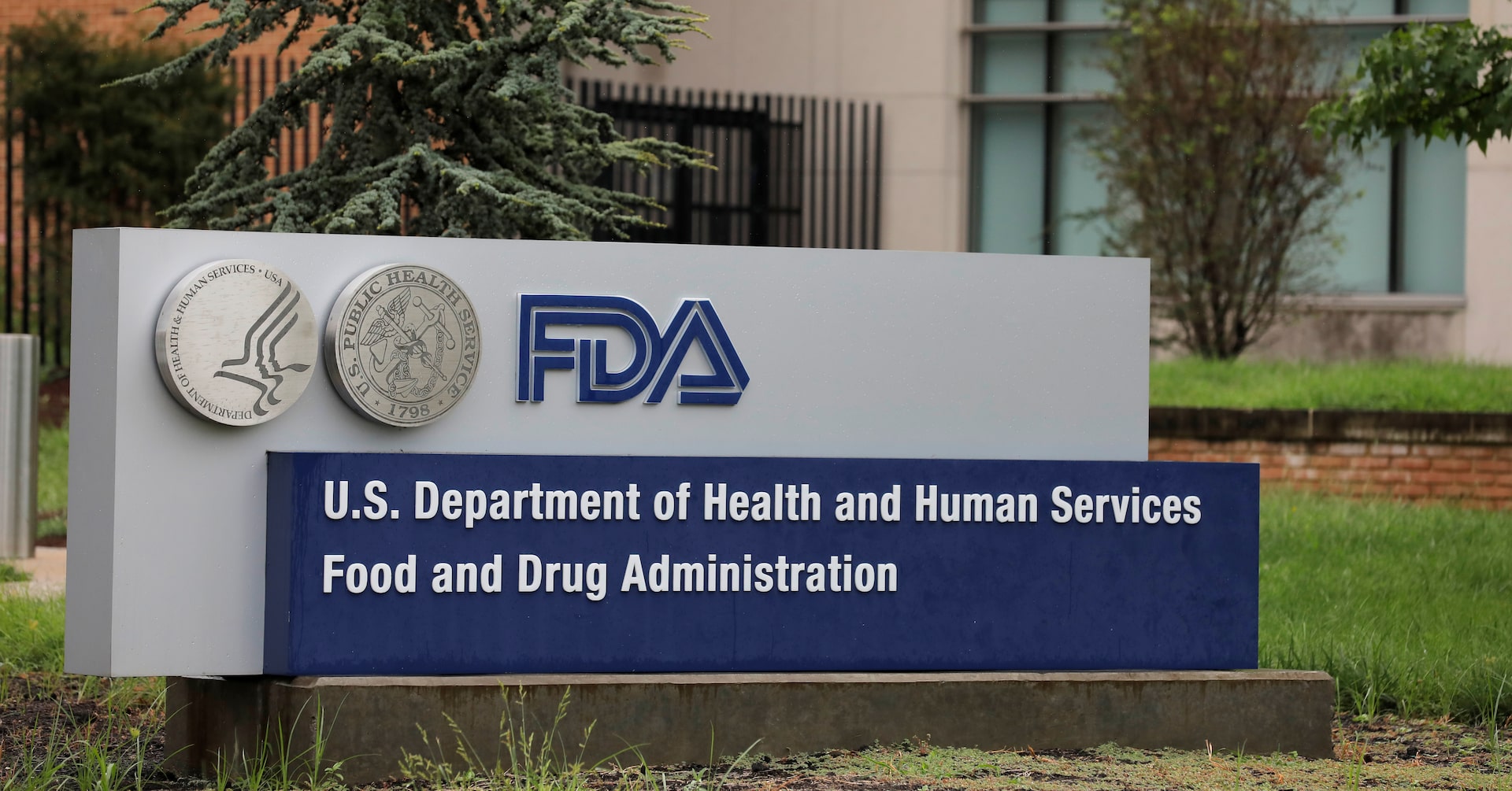
The U.S. Food and Drug Administration issued 25 warning letters to telehealth companies over what it called false and misleading marketing of compounded versions of Eli Lilly's and Novo Nordisk's weight-loss and diabetes drugs [1]. The letters were sent earlier in June and posted on the agency's website on Tuesday, June 16, 2026 [1].
Recipients included Medica Weight Loss, Ready Med and Clover Meds, among others [1]. According to the agency, some companies claimed on their websites that their compounded versions of Lilly's tirzepatide and Novo's semaglutide were sourced from FDA-approved pharmacies, or that the ingredients had been clinically studied [1]. Others were cited for representations the agency said were false or misleading, including claims that their compounded products were the same as approved GLP-1 drugs, or product displays suggesting the telehealth firm itself compounded the drugs [1].
"Patients deserve to know what they're getting — compounded GLP-1 products have not been proven safe, effective, or of consistent quality like FDA-approved drugs," Michael Davis, acting director of the FDA's Center for Drug Evaluation and Research, said in a post on X [1]. "We will continue holding companies accountable" [1].
Tirzepatide is the active ingredient in Lilly's obesity injection Zepbound and its diabetes drug Mounjaro; semaglutide is the active ingredient in Novo Nordisk's diabetes drug Ozempic and weight-loss drug Wegovy [1]. Compounded versions are customized medicines made when a licensed pharmacist or physician combines, mixes or alters drug ingredients to meet the needs of an individual patient, and they are not approved by the FDA [1].
A pattern, not a one-off
This is not the agency's first round. The FDA previously sent warning letters to 30 telehealth firms over misleading marketing of compounded GLP-1 drugs, in action reported on March 3, 2026, as part of a broader crackdown on compounded drugs [1]. And in April 2026, the agency proposed excluding Novo Nordisk's and Eli Lilly's weight-loss drugs from a key compounding list, a move that could limit large-scale production by outsourcing facilities [1].
Drugmakers have been pushing in the same direction. Lilly, on its own consumer safety page, says compounded products are never FDA-approved and points to a federal court ruling last year that compounders, telehealth companies, med-spas and others "must cease production" of knockoffs of its approved tirzepatide medicines [2]. Lilly also states that selling mass-compounded tirzepatide — including products labeled "personalized" or "tailored" — is illegal [2]. That page is the manufacturer's own account, not a regulator's, so it should be read with that in mind.
Lilly has separately warned about compounded tirzepatide mixed with vitamin B12, saying its testing found significant levels of an impurity created by a chemical reaction between the two, and that the risks are unknown because the combination has never been studied in humans [2]. The company also says retatrutide, an investigational molecule still in Phase 3 trials and not approved anywhere, may not legally be used in compounding, and that it has filed six new lawsuits against U.S. entities selling black-market products [2].
Why it matters for patients
The warning letters are about marketing language, not about any single product being recalled. But they identify specific claims that the FDA says patients should not rely on: that a compounded drug came from an "FDA-approved pharmacy," that its ingredients were "clinically studied," or that it is "the same as" Ozempic, Wegovy, Mounjaro or Zepbound [1]. If a telehealth site a person is considering uses that kind of wording, the FDA's position is that the wording is misleading [1].
It also underlines a basic distinction in this market. FDA-approved products go through agency review for safety, quality and effectiveness; compounded products do not, and the FDA says they have not been proven safe, effective or of consistent quality [1][2]. Whether any individual compounded product is a good or bad choice is a separate question the sources do not answer, and one for a licensed clinician.
What the sources do not say: which specific claims each of the 25 companies made, whether any have responded, and what penalties, if any, could follow. Those details are not yet known from this reporting.
What happens next
- March 3, 2026: FDA warned 30 telehealth firms over misleading marketing of compounded GLP-1s [1].
- April 30, 2026: FDA proposed excluding the weight-loss drugs from a key compounding list [1].
- June 16, 2026: The 25 new warning letters were posted publicly [1].
Warning letters typically start a compliance process rather than end one, and the FDA has said it will keep acting [1]. The status of the April compounding-list proposal is not addressed in the available sources.
Sources
Semaglutides.org is for information only and is not medical advice. Always talk to a licensed healthcare provider about your own care. Some links to telehealth services are affiliate links, labeled where they appear.