Surveys show employers pulling back on GLP-1 coverage for 2027
Two employer surveys reported June 11 that some companies will stop covering GLP-1 weight-loss drugs in 2027, even as cheaper pills pull in more users [1].
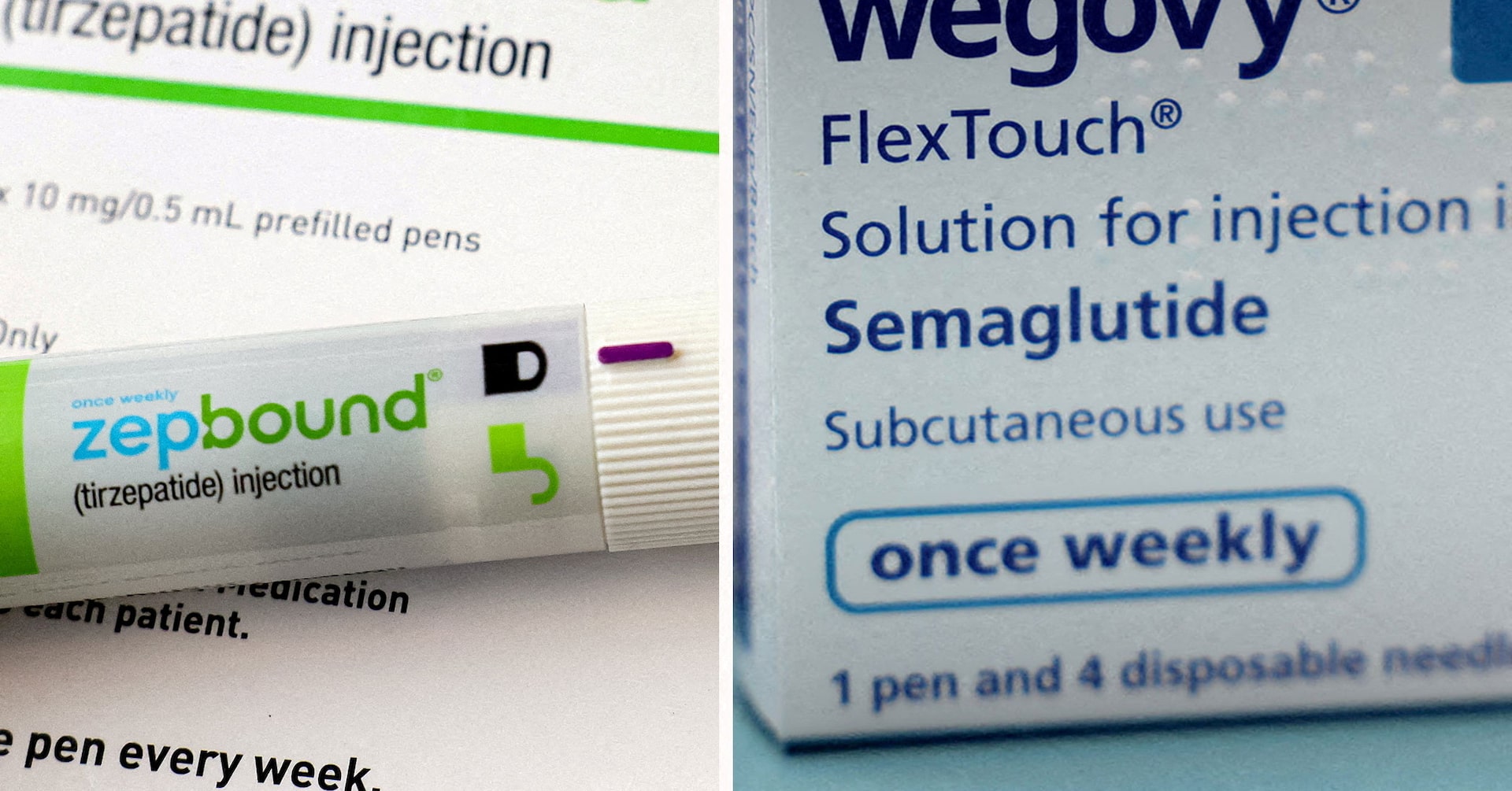
A growing number of US employers plan to stop paying for GLP-1 weight-loss drugs in 2027, according to two benefits surveys reported on June 11 [1]. About 10% of employers that currently cover the medicines for weight loss said they intend to drop that coverage next year, according to the Business Group on Health, a policy research group for large employers [1]. A separate survey from the benefits consultancy Mercer put the figure at 5% of employers with more than 500 workers [1].
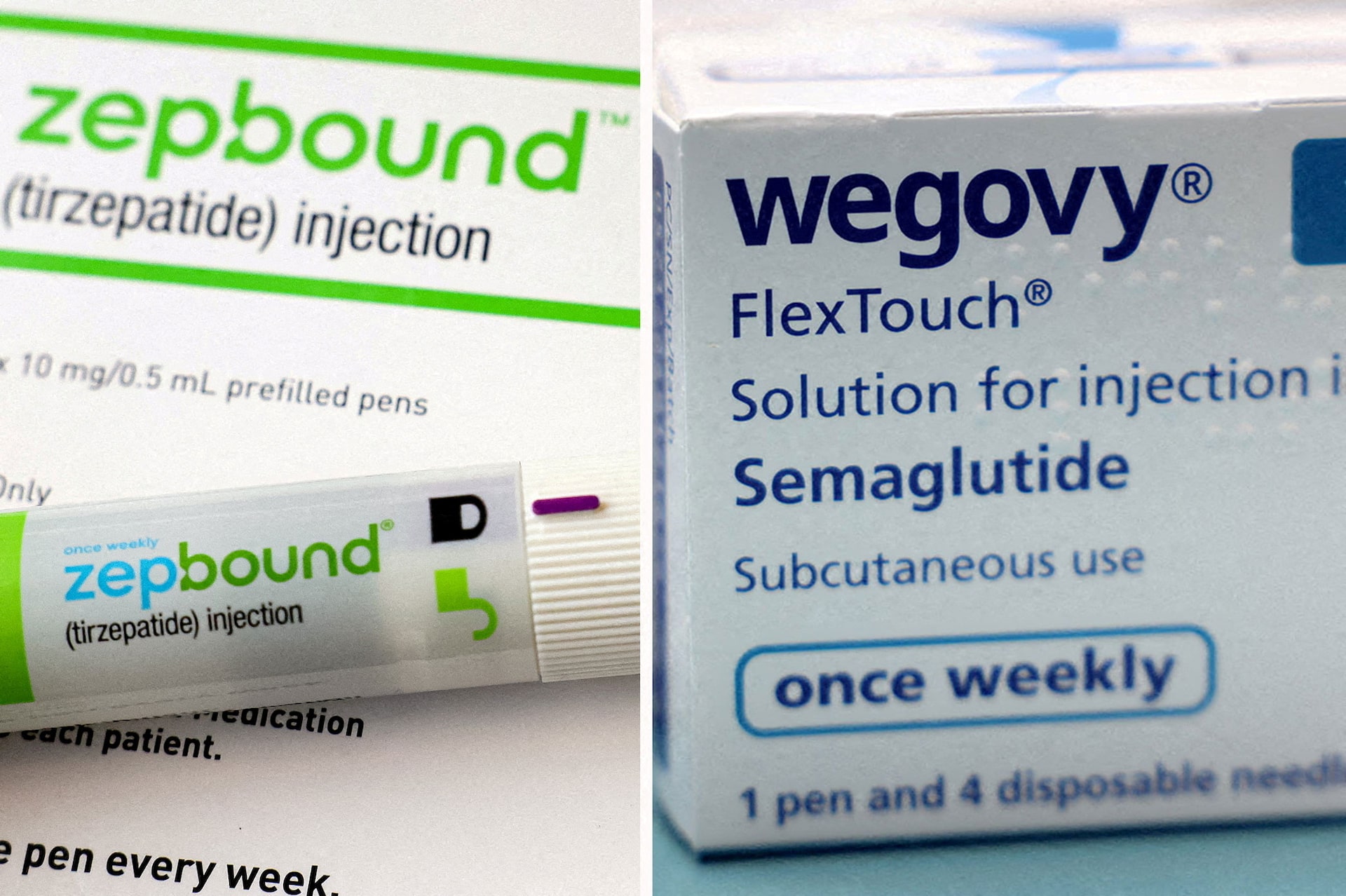
The pullback is happening at the same time that the drugs are getting cheaper per prescription. Novo Nordisk launched its Wegovy pill in January and Eli Lilly began selling its orforglipron pill, Foundayo, in April, both starting at about $149 a month [1]. Those prices are tied to direct-to-consumer sales through the drugmakers' own websites and a deal with the Trump administration for its TrumpRx.gov site [1].
Lower prices, bigger bills
The surveys point to a basic math problem for employer health plans: unit prices are falling, but far more people are filling prescriptions. Demand rose this year because of the oral options, which attracted people who had never tried GLP-1s before, keeping employer costs high, according to five industry experts cited by Reuters [1]. Employers are also seeing people stay on the drugs long term, and the pool of eligible people is larger than for many other treatments [1].
"Even though we have seen the unit cost come down, the patient population keeps growing," said Louis Zollo, a pharmacy practice leader at the consultancy Segal [1]. Dan Mendelson, CEO of Morgan Health, a JPMorgan unit, said the pills should push the cost of individual treatments down this year, but added: "every year there's going to be market growth. There's going to be more people taking these drugs, so on aggregate this still represents a major cost driver for employers" [1].
The two surveys do not agree on how many employers cover the drugs today. Mercer found 44% of companies with more than 500 employees cover GLP-1s for obesity, while Business Group on Health data show 67% of large employers cover GLP-1s in 2026 [1]. The surveys use different samples and definitions, so the gap is not necessarily a contradiction, but readers should treat any single coverage figure with caution.
One insurer has already acted on its own workforce. Cigna stopped covering weight-loss GLP-1s for its own employees effective July, telling them they could buy the medicines elsewhere [1].
Employers are also questioning what they are actually paying. Lauren Remspecher, a director at Purchaser Business Group on Health, said many employers worry they are not getting the same savings through their pharmacy benefit managers — the middlemen who negotiate drug prices — as cash-paying consumers do [1]. "One advantage of having the direct-to-consumer and some of the government-negotiated pricing more transparent is that now employers can see how much more they're paying and where there is an opportunity for improvement," she said [1].
The consultancy Aon said it has seen injectable users shift to oral versions, along with new patients starting on pills, and expects GLP-1 coverage to decrease next year [1].
Why it matters for patients
If your employer plan is among those dropping weight-loss coverage, the practical effect shows up at open enrollment for 2027, not immediately. Most employers surveyed are not dropping: Business Group on Health found the large majority of covering employers are staying in for now, with only about 10% planning to exit [1].
The cash-pay landscape is different than it was two years ago. Wegovy's pill and Lilly's Foundayo both start at about $149 a month through direct channels [1]. Effectiveness differs by product: Foundayo and Wegovy have been shown to reduce weight by 11% and 14% respectively, less than the injected drugs, though the pills may appeal to people who fear needles [1].
What happens next
Cigna's change for its own employees takes effect in July [1]. Employer decisions described in these surveys apply to plan year 2027, which for most companies begins January 1, 2027, with enrollment materials typically arriving in the fall. How many employers follow through — and whether coverage rates land closer to Mercer's or Business Group on Health's numbers — is not yet known.
Images from the sources
Sources
Semaglutides.org is for information only and is not medical advice. Always talk to a licensed healthcare provider about your own care. Some links to telehealth services are affiliate links, labeled where they appear.