Australia adds NAION to all GLP-1 product information
Australia's TGA added a warning about a rare blinding eye condition, NAION, to product information for all GLP-1 drugs sold there after 36 suspected cases, a step US labels have not taken.
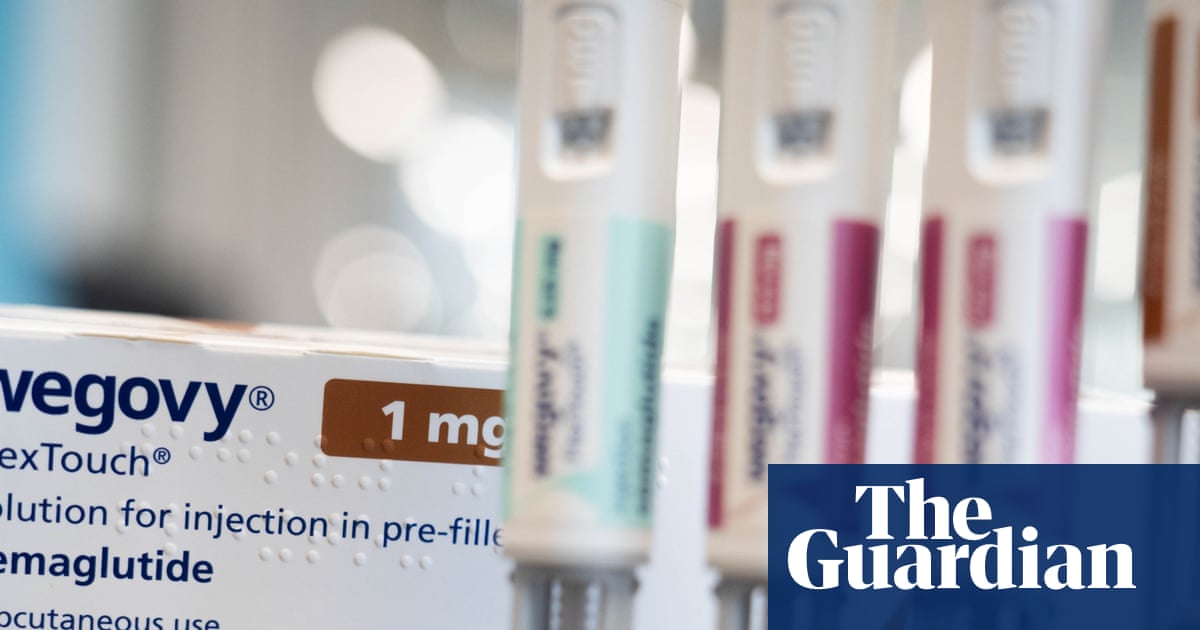
Australia's Therapeutic Goods Administration (TGA) has updated product warnings for every GLP-1 receptor agonist sold in the country, telling health professionals the drugs may be linked to a rare but serious eye disorder that can cause permanent vision loss [1]. The class-wide safety update, published Thursday, 23 July 2026, covers semaglutide (Ozempic and Wegovy), tirzepatide (Mounjaro), liraglutide (Saxenda) and dulaglutide (Trulicity) [1].
The condition is non-arteritic anterior ischaemic optic neuropathy, or NAION. The TGA described it as "a rare but serious condition that may result in permanent visual impairment, including blindness and no treatment has been shown to improve visual acuity outcomes" [1]. Patients taking the drugs are urged to "seek urgent medical attention if they experience sudden vision loss, including partial loss of vision" [2].
What the Australian data show
Australia's Database of Adverse Event Notifications has recorded 36 cases of optic ischaemic neuropathy reported with GLP-1 drugs: 23 with semaglutide, 10 with tirzepatide and three with liraglutide [1]. No cases were reported for dulaglutide, although the TGA noted that one semaglutide case had a history of prior dulaglutide use [1][2]. Adverse event reports are suspected associations, not proof that a drug caused the event.
The TGA said it first flagged a possible link in July 2024, after a study published in JAMA Ophthalmology raised concerns [1]. Its own independent assessment found the evidence "conflicting," so it referred the question to the Advisory Committee on Medicines (ACM) at an October 2025 meeting [1]. The committee "concluded that the current evidence may support the signal for semaglutide, but not dulaglutide or tirzepatide" [1]. Even so, the regulator applied updates across the class, saying: "Updates should not imply a causal association, but reflect a class level awareness" [1].
The semaglutide product information carries the most detail. It now states that people with an anatomical predisposition known as a "disc at risk" are at highest risk of NAION whether or not they take a GLP-1, that this can be assessed by an optometrist or ophthalmologist, and that "some epidemiological studies indicate an increased risk of NAION during treatment with semaglutide" [1]. The label also says there is "no identified time interval" for NAION to develop [1].
On the size of the risk, Dr Terri-Lynne South, Chair of RACGP Specific Interests Obesity, said the figure discussed is "between two to 18 additional cases of NAION per 100,000 GLP-1 users per year" [1]. She also stressed that several other factors raise NAION risk independently, including type 2 diabetes, high blood pressure, obstructive sleep apnoea, older age and cup-to-disc ratio [1].
Why it matters for patients
The TGA did not restrict prescribing and does not recommend that patients stop treatment without first consulting a doctor [2]. Prof Helen Danesh-Meyer of the Royal Australian and New Zealand College of Ophthalmologists said NAION "needs to be put in perspective," noting the conditions these drugs treat "are very common, like heart attacks, stroke and kidney disease" [2]. She said ophthalmologists suggested doctors do not need to withhold the medication "unless they have underlying eye conditions" [2].
For US readers, the practical significance is mostly informational. The European Medicines Agency and the World Health Organization issued product alerts last year for semaglutide and a possible increased NAION risk [1]. These sources do not describe any action by the US Food and Drug Administration, so what US labeling says or may say is not addressed here and remains unclear from this reporting.
The Australian update also underscores that adverse-event counts are small relative to use. Novo Nordisk, which makes Ozempic, Wegovy and Saxenda, said semaglutide has been studied in "multiple robust clinical development programs with a total exposure from post-marketing use of over 49 million patient years," and that "the benefit-risk profile of semaglutide remains favorable" [2]. The company said "patient safety is a top priority" and that it works with the TGA and other regulators [2].
What happens next
Updated Consumer Medicine Information and Product Information documents for Australian GLP-1 products are being revised as part of the TGA's decision, along with published safety communications [1]. Dr South said GPs should expect more patient questions after the update, and noted that people with type 2 diabetes are advised to have annual back-of-the-eye checks [1].
Whether other regulators follow with class-wide labeling changes, and how quickly, is not stated in these sources.
Images from the sources
Sources
Semaglutides.org is for information only and is not medical advice. Always talk to a licensed healthcare provider about your own care. Some links to telehealth services are affiliate links, labeled where they appear.