Foundayo prescribing information revised
Lilly's oral weight-loss pill Foundayo (orforglipron) got an updated FDA label in July 2026, three months after its launch, but the core warnings and dosing rules remain unchanged.
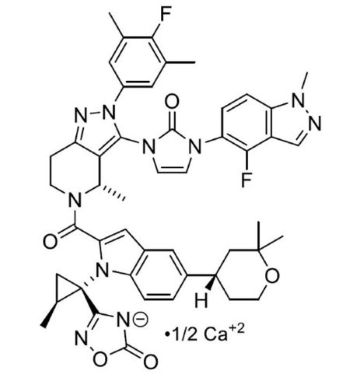
The U.S. Prescribing Information for Foundayo (orforglipron), the oral GLP-1 receptor agonist from Eli Lilly, now carries a revision date of 7/2026, about three months after the drug's initial approval [1][2]. A supplement label, numbered 220934s003, was posted on the FDA's website alongside the original approval label [2]. The sources do not explain what specific changes were made in this revision, so it is not yet known which sections, if any, differ from the original label.
What is documented is the content of the current label itself. Foundayo carries a boxed warning about thyroid C-cell tumors seen in rodent studies of GLP-1 drugs. The label states that orforglipron is not pharmacologically active in rats or mice and did not cause tumors in those animal studies, but adds that the human relevance of the rodent findings "has not been determined" [1][2]. The drug remains contraindicated for people with a personal or family history of medullary thyroid carcinoma or Multiple Endocrine Neoplasia syndrome type 2 [1][2].
Foundayo is approved for weight management, taken with a reduced-calorie diet and increased physical activity, in adults with obesity or with overweight plus at least one weight-related condition [1][2]. The label says it should not be used together with another GLP-1 receptor agonist [1][2]. Dosing starts at 0.8 mg once daily by mouth, tablets swallowed whole, with increases every 30 days at minimum: to 2.5 mg, then 5.5 mg, and further to 9 mg, 14.5 mg, or 17.2 mg based on response and tolerability, up to a maximum of 17.2 mg daily [1][2].
The most common side effects, occurring in 5% or more of patients in trials, are nausea, constipation, diarrhea, vomiting, dyspepsia, abdominal pain, headache, abdominal distension, fatigue, eructation, gastroesophageal reflux disease, flatulence, and hair loss [1][2]. The label also lists warnings for acute pancreatitis, severe gastrointestinal reactions, acute kidney injury from volume depletion, hypoglycemia risk when combined with insulin or insulin secretagogues, hypersensitivity reactions, gallbladder disease, and pulmonary aspiration risk during anesthesia [1][2].
Why it matters for patients
A label revision this soon after launch is common for newly approved drugs, but the sources here do not specify what prompted this particular update or what text changed. That means people currently taking Foundayo, or considering it, cannot yet know from these documents whether new safety information, dosing guidance, or other details were added or removed. The core dosing schedule, contraindications, and warning list quoted above match what appears in both the original approval label and the July 2026 revision, based on the sources provided [1][2].
Patients on Foundayo who take oral contraceptives should note the label's guidance to switch to a non-oral method or add a barrier method for 30 days after starting the drug and after each dose increase, because Foundayo can affect drug absorption by delaying gastric emptying [1][2]. The label also flags interactions with strong CYP3A4 inhibitors, which lower the maximum recommended dose to 9 mg daily, and with simvastatin, which should not exceed 20 mg daily when combined with Foundayo [1][2].
What happens next
The sources do not describe any additional milestones, planned reviews, or explanations for the July 2026 revision beyond the posted supplement label. It is not yet known whether further updates are expected or what specifically changed in this version compared with the original approval label from earlier in 2026 [1][2].
Sources
Semaglutides.org is for information only and is not medical advice. Always talk to a licensed healthcare provider about your own care. Some links to telehealth services are affiliate links, labeled where they appear.