Gubra begins human trial of GUB-UCN2, an obesity drug aimed at preserving muscle
A Danish company has begun testing an experimental obesity drug designed to preserve muscle, but no human data yet show whether the approach works.
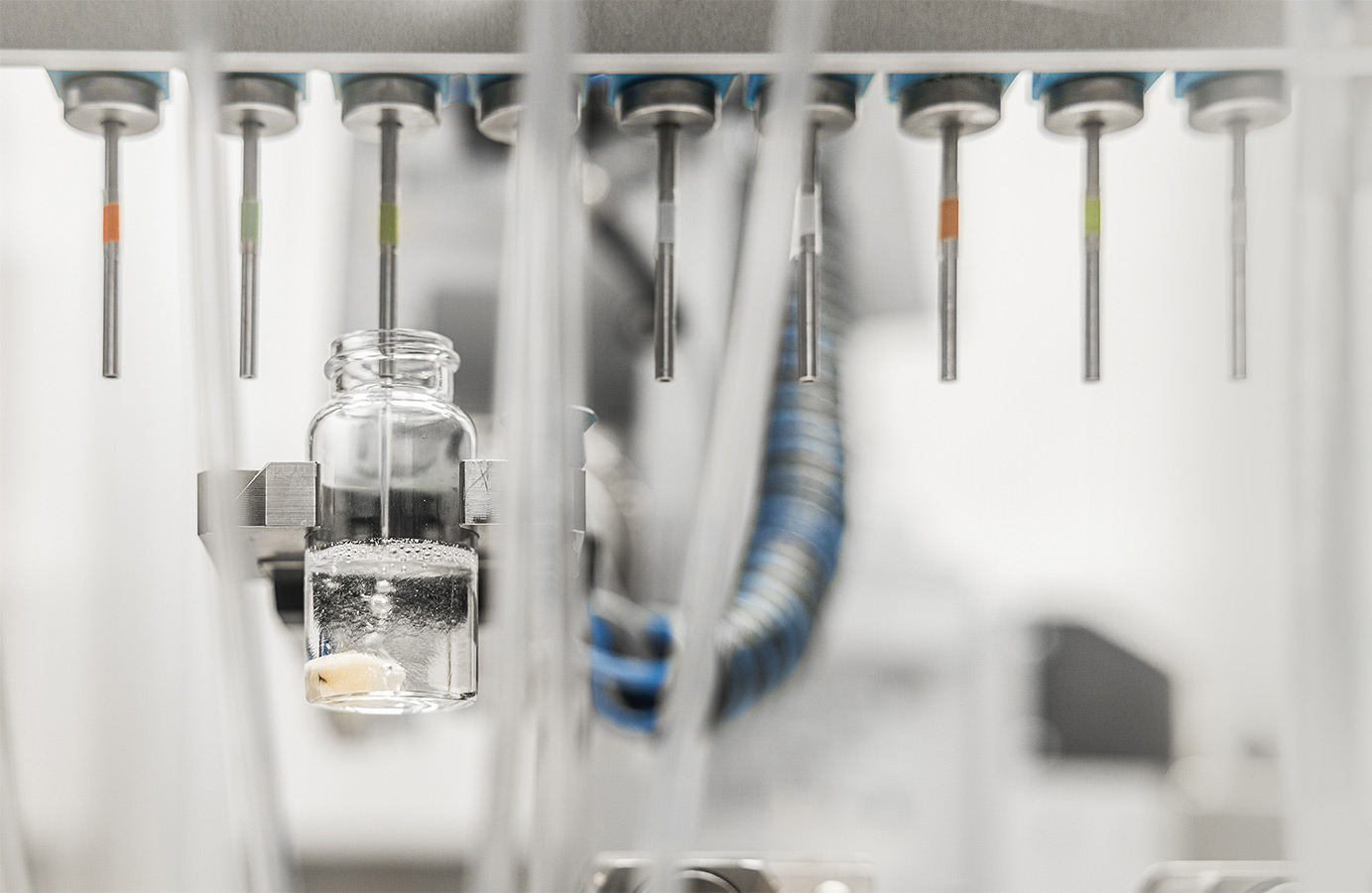
Gubra has begun human testing of GUB-UCN2, an experimental obesity drug the company says is designed to reduce fat mass while preserving or increasing muscle [1][2]. The study is listed as starting July 27, 2026, and Gubra disclosed the start in its half-year report, released Aug 20, 2026 [1][2].
The Phase 1/2a trial is a three-part, first-in-human study of subcutaneous GUB-UCN2 in healthy lean volunteers, people with obesity, and people with type 2 diabetes [2]. Treatment runs up to 16 weeks in selected groups [2]. Gubra says it will test the drug both as a standalone therapy and on top of standard of care for obesity [2], and it describes the trial as evaluating GUB-UCN2 alone and in combination with incretin-based therapy, with a particular focus on muscle volume and muscle function [1]. Clinical data will be released in sequence, with the first results from the single-ascending-dose part expected in the first half of 2027 [1]. The company calls GUB-UCN2 its "next potential mega program" [1].
The trial listing describes the measurements as safety, tolerability, and how the body processes and responds to the drug, so the first readout may not show how much weight participants lose [2]. Gubra has not disclosed when later body-composition results or larger trials will be available [1][2].
A drug database lists GUB-UCN2 as a synthetic peptide targeting CRHR2, with obesity and type 2 diabetes as its active indications and Phase 1/2 as its highest phase [2]. The same listing describes the drug's action at that receptor as "antagonists," while news items included in the listing describe activating the CRF2 receptor as the basis of the UCN2 approach [2]. Gubra's half-year report does not describe the mechanism in those terms [1].
Larger drugmakers are moving on the same mechanism. On Aug. 24, 2026, Roche agreed to pay $190 million upfront for rights outside South Korea to HM17321, a CRF2-selective urocortin-2 analog from Hanmi Pharmaceutical, in a deal worth up to about $2.5 billion in total [2]. Reporting on that deal says Roche's Genentech unit acted after seeing preclinical data that "clearly suggests" the approach can reduce weight while preserving lean muscle, and that researchers have known for decades that activating CRF2 with UCN2 protects against muscle atrophy in animal models [2]. Those findings come from animal studies. No human data showing that a UCN2 drug preserves muscle in people has been reported for either GUB-UCN2 or HM17321 [1][2].
Gubra's partnered programs also moved. The company reported group revenue of DKK 126 million and an operating loss of DKK 123 million for the first half of 2026 [1]. Boehringer Ingelheim started Phase 2 of BI 3034701, triggering a EUR 10 million milestone payment to Gubra, and AbbVie reported 12/13-week Phase 1 results for the amylin analog ABBV-295 ahead of a planned Phase 2 start in the third quarter of 2026 [1]. CEO Markus Rohrwild said the company is entering "an exciting new chapter with multiple opportunities for significant value creation" [1].
Why it matters for patients
The question GUB-UCN2 is meant to answer is about body composition, not just weight on a scale. Gubra says the drug is designed to cut fat mass while preserving or increasing skeletal muscle, and the trial will track muscle volume and muscle function [1]. Gubra is studying it both alone and in combination with incretin-based therapy [1], which suggests researchers are looking at how a drug like this might fit alongside existing treatments rather than only replacing them.
Whether the muscle-preservation idea holds up in people is unknown. The evidence cited for the class comes from animal studies [2], and no human body-composition results for GUB-UCN2 have been reported [1][2]. The first data expected in 2027 come from the single-ascending-dose part of the trial, which the listing says is designed to measure safety and tolerability [1][2]. Gubra has not disclosed a timeline for later-stage trials or for any regulatory filing [1][2]. This development does not change the medications that are approved and available today.
What happens next
- Gubra says the first clinical data from the single-ascending-dose part of the GUB-UCN2 trial is expected in the first half of 2027 [1].
- The company will host an R&D event in London on Oct. 27, 2026, presenting its strategy toward 2030 [1].
- AbbVie is expected to start Phase 2 of ABBV-295 in the third quarter of 2026, following its 12/13-week Phase 1 results [1].
Images from the sources
Sources
Semaglutides.org provides information only, not medical advice. Talk to a licensed provider about your own care before making changes. Some telehealth links are affiliate links and are labeled where they appear.