Lilly and Resilience put $750 million into US device and fill-finish capacity
Eli Lilly and manufacturer Resilience are spending $750 million to expand US injector-pen production in Ohio, targeting the supply bottleneck behind past Mounjaro and Zepbound shortages.
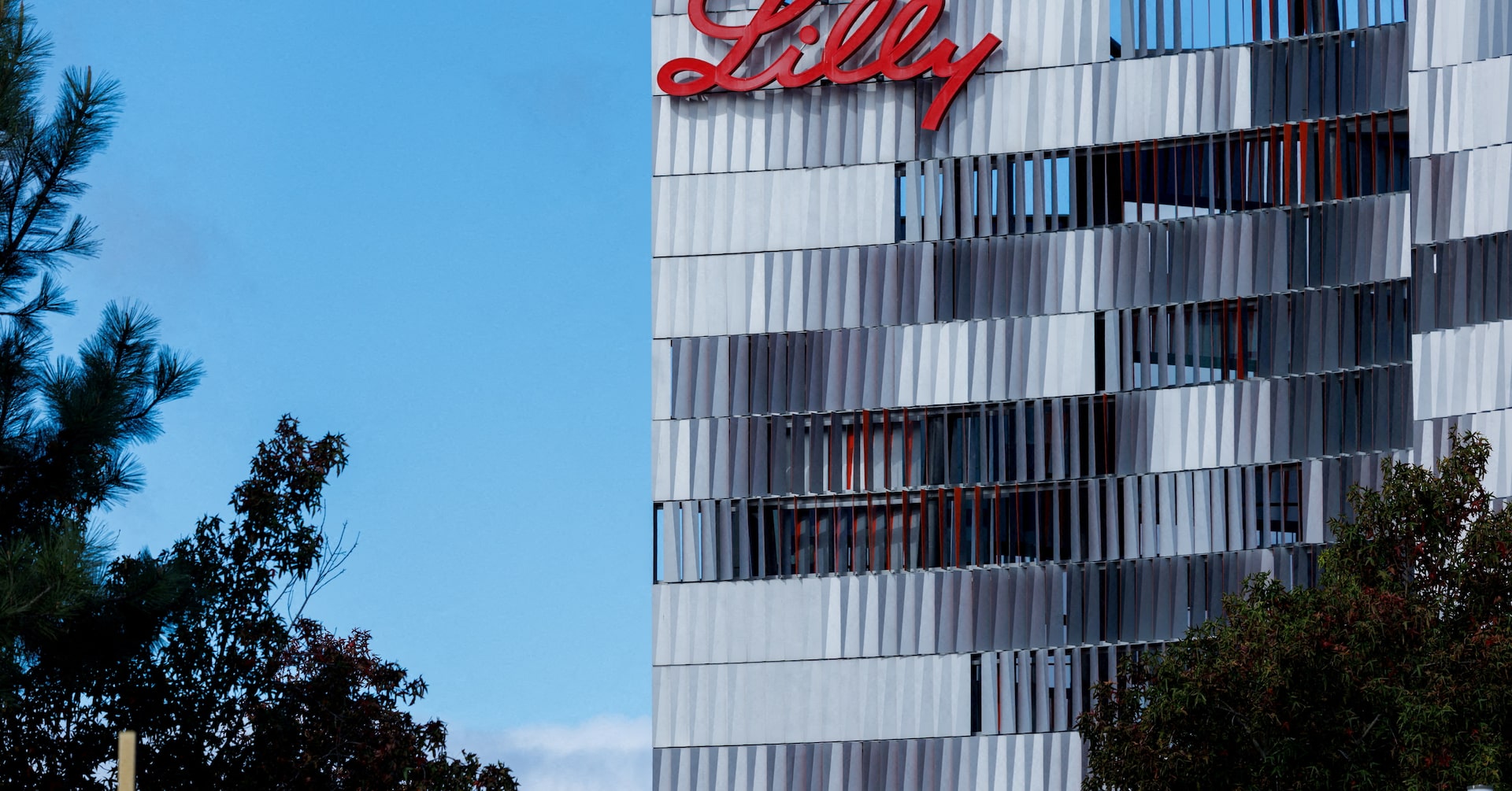
Eli Lilly and contract manufacturer Resilience announced on July 30 that they will invest $750 million to expand pharmaceutical manufacturing capacity in the United States, with a focus on the KwikPen injectable device used for Lilly's diabetes and obesity medicines [1][2]. The money will fund upgrades at Resilience's site in the Cincinnati, Ohio region, where the two companies have worked together since 2023 to produce Mounjaro and Zepbound [2].
The investment is expected to create at least 400 new jobs at the site, pushing Resilience's headcount in Ohio above 1,400 [1][2]. Resilience, which recently moved its headquarters from San Diego to Blue Ash, Ohio, operates two advanced manufacturing facilities in the region that together cover about 1 million square feet [2]. The partnership has already produced more than 150 million doses of Lilly medicines in vial and pre-filled syringe formats for US patients [1][2]. Full operations from the new upgrade, which centers on the KwikPen prefilled injector, are expected to start in 2027 [2].
Resilience CEO William Marth said the investment reflects "our long-term commitment to building one of the largest and most advanced sterile injectable and device assembly and packaging operations in the United States" [2]. Lilly's manufacturing head, Edgardo Hernandez, said the partnership reflects the company's effort to meet rising demand for its medicines [1]. The deal is part of a broader pattern: Lilly's US capital expansion commitments since 2020 now total more than $55 billion, and the company plans to break ground on several newly announced US manufacturing sites this year [1]. Reuters also noted that global drugmakers have been ramping up US manufacturing and stockpiling inventory since last year as the Trump administration moves to impose 100% tariffs on branded drugs unless companies cut prices or make medicines domestically [1].
Resilience's own history has been uneven. The company launched in 2020 with an $800 million investment and drew additional funding rounds of $625 million and $600 million by the end of 2021, plus a $410 million Department of Defense loan in 2023 [2]. But it later closed six of its ten plants, including sites in Massachusetts, California and Florida, after saying they were "not being fully utilized," and sold a gene therapy facility in North Carolina for $4.5 million in October 2025 after acquiring it for $110 million in 2021 [2]. That leaves Resilience with manufacturing operations in Toronto, Philadelphia and its two Ohio sites [2].
Why it matters for patients
The injector and pen supply chain has been the choke point behind incretin shortages since 2022, according to the development summary provided with this story. A dedicated $750 million buildout aimed specifically at the KwikPen device and fill-finish capacity suggests Lilly and Resilience are trying to address that bottleneck directly, rather than just adding more drug substance capacity. For patients on Mounjaro or Zepbound, more device and packaging capacity could eventually mean steadier pen supply at pharmacies, though the sources do not say when patients might notice a difference, since full operations from this specific upgrade are not expected until 2027 [2].
The investment also comes as Lilly faces growing competition from its own oral drug Foundayo, which one of the related Reuters headlines notes has captured over 30% of new US patients on oral weight-loss drugs [1]. That signals continued high demand across Lilly's incretin portfolio, which could keep pressure on manufacturing even as capacity expands.
What happens next
The upgraded Ohio site is expected to reach full operations in 2027 [2]. Lilly has also said it plans to break ground on several other recently announced US manufacturing sites this year [1]. Neither source specifies exact dates for when patients might see changes in pen availability at pharmacies before the 2027 target.
Images from the sources
Sources
Semaglutides.org is for information only and is not medical advice. Always talk to a licensed healthcare provider about your own care. Some links to telehealth services are affiliate links, labeled where they appear.