Medicare GLP-1 Bridge begins, publishing explicit BMI eligibility numbers
Starting July 1, 2026, eligible Medicare Part D members can get Wegovy, Zepbound KwikPen or Foundayo for a flat $50 a month through December 31, 2027 — if they meet published BMI and condition rules.
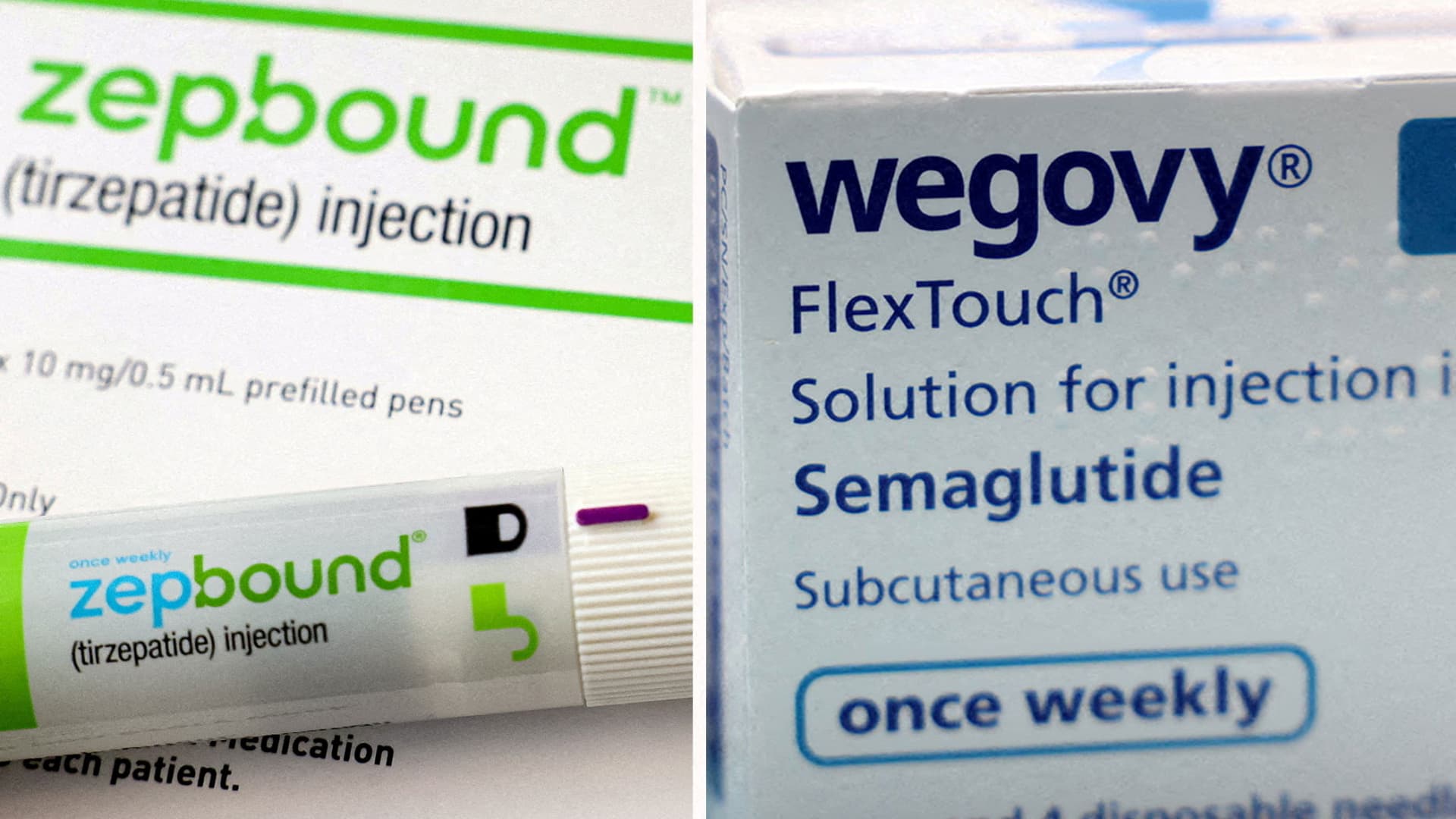
Medicare began covering GLP-1 drugs for weight management for the first time on July 1, 2026, through a temporary program called the Medicare GLP-1 Bridge. Eligible Part D beneficiaries pay a flat $50 monthly copay for certain products, and the demonstration is scheduled to run through December 31, 2027 [2][1].
The covered products are Foundayo (orforglipron) tablets, Wegovy (semaglutide) injection and tablets, and the Zepbound (tirzepatide) KwikPen [1][3]. Single-dose Zepbound vials and single-dose pens are not included [1][3]. Pen needles for the KwikPen are not covered and can be bought separately [4]. Fills are limited to a single monthly supply of 28 or 30 days; 60- and 90-day fills and partial fills are not available [4].
The eligibility numbers, in writing
Medicare.gov and CMS publish the exact thresholds. A beneficiary must be 18 or older and meet one of these at the time GLP-1 therapy is started: a BMI of 35 or higher; a BMI of 30 or higher with heart failure with preserved ejection fraction (diastolic heart failure), uncontrolled hypertension, or chronic kidney disease stage 3a or above; or a BMI of 27 or higher with prediabetes, a previous heart attack or stroke, or symptomatic peripheral artery disease [1][3]. CMS defines uncontrolled hypertension as systolic blood pressure above 140 mm Hg or diastolic above 90 mm Hg despite treatment with two blood pressure medications [3].
The criteria apply to the moment therapy began, not the date of the paperwork. CMS gives an example: someone who started a GLP-1 in September 2024 with a BMI of 37 and has a BMI of 34 in July 2026 still meets the BMI-35 criterion [3].
Some people are shut out. Beneficiaries already getting a GLP-1 covered by their Part D plan are not eligible, and neither are people with type 2 diabetes, moderate-to-severe obstructive sleep apnea, or noncirrhotic MASH (fatty liver disease with scarring) — because Part D already covers GLP-1s for those uses [1][3]. CMS also says that if a drug is being prescribed to reduce the risk of major cardiovascular events, that prescription should go to the Part D plan instead [3].
How the money works
Bridge sits outside the normal Part D coverage and payment flow. Part D plans do not carry the risk and did not have to opt in [2]. CMS contracted Humana, which runs the LI NET program, as the single central processor for prior authorization, claims and pharmacy payment [4]. Because the drugs are furnished outside the Part D benefit, the Part D deductible does not apply, none of the $50 copay counts toward true out-of-pocket (TrOOP) costs, and there is no low-income subsidy [2]. CNBC reports that means the copay also does not count toward the $2,100 annual out-of-pocket cap on Part D drug costs [5]. Coupons and discount programs cannot be applied to Bridge claims [4].
Why it matters for patients
$50 a month is a flat price at every dose, unlike cash-pay prices that rise with dosage [5]. CNBC reports Wegovy injections range from $199 for a lower dose under a limited-time offer to $399 for the highest dose, Zepbound KwikPen and vials run $299 to $699, and the top doses of Wegovy tablets and Foundayo cost $299 and $349 [5].
Getting in requires steps. A provider sends the prescription to the pharmacy, waits for the pharmacy to request prior authorization, then attests — under penalty of perjury — that the patient meets the criteria and is using the drug alongside diet and physical activity [1][3]. Submitting the authorization before a pharmacy claim will return a "patient not found" error [3]. Decisions are expected within 72 hours [4][5]. Approvals last through December 31, 2027, including refills and dose changes, unless the patient switches to a different covered GLP-1 [1][4]. Filling a GLP-1 through Part D afterward ends Bridge eligibility [4].
Doctors quoted by CNBC warned that clinics and pharmacies may be strained in the first months and that patients should not expect same-day pickup [5].
What happens next
The demonstration ends December 31, 2027 [2]. CMS says it extended Bridge through that date after the BALANCE Model did not launch in 2027, and will use the time to collect GLP-1 utilization data for Part D plans [2]. What coverage looks like after that is not yet known; KFF's Juliette Cubanski told CNBC it is "really not clear at this point what happens after the end of the 18-month program duration" [5].
Images from the sources

Sources
- https://www.medicare.gov/coverage/weight-loss-drugs
- https://www.cms.gov/medicare/coverage/prescription-drug-coverage/medicare-glp-1-bridge
- https://www.cms.gov/medicare/coverage/prescription-drug-coverage/medicare-glp-1-bridge/information-providers
- https://www.cms.gov/medicare/coverage/prescription-drug-coverage/medicare-glp-1-bridge/information-pharmacies
- https://www.cnbc.com/2026/06/30/medicare-obesity-drug-glp-1-coverage-starting-july-1.html
Semaglutides.org is for information only and is not medical advice. Always talk to a licensed healthcare provider about your own care. Some links to telehealth services are affiliate links, labeled where they appear.