President announces phased tariffs on imported generic drugs
Trump set a schedule keeping imported generic drugs at 0% tariffs until 2028, then 100% and later 200% — a policy that could shape costs for the low-price copies most Americans take, including future generic GLP-1s.
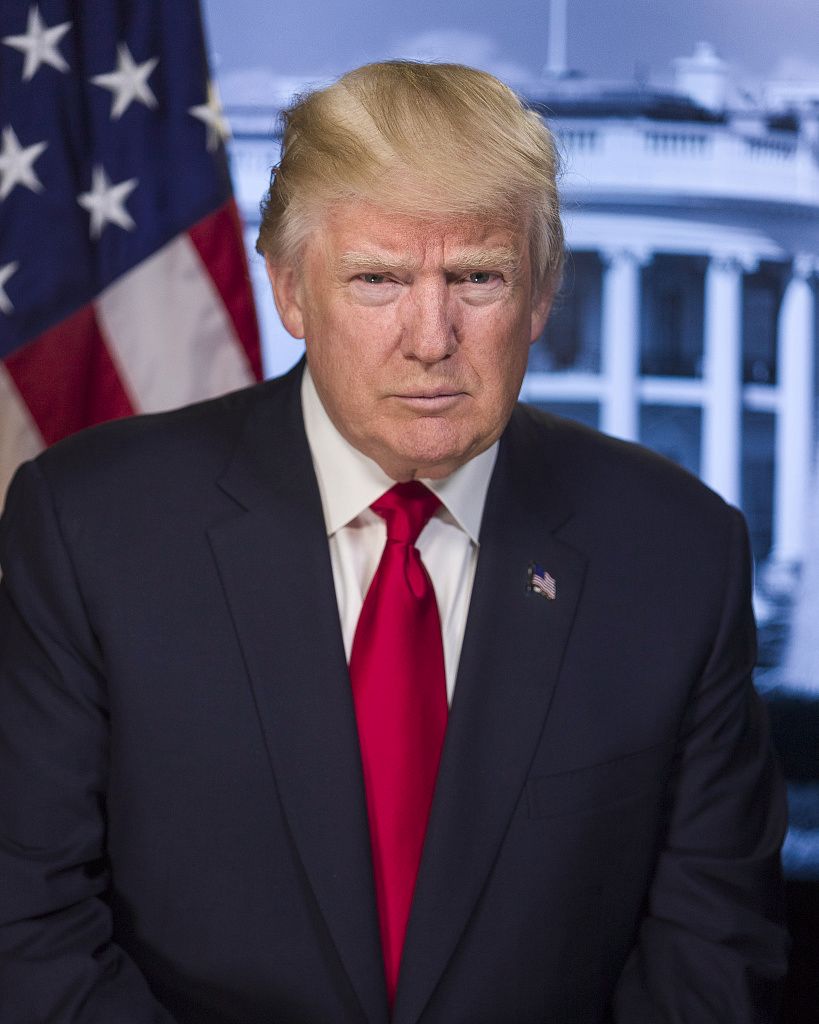
President Donald Trump said on July 21, 2026 that imported generic drugs will keep a 0% tariff for two years starting August 1, 2026, after which the rate will rise to 100% for one year and then to 200%, according to a post on Truth Social [1]. It is the first time the administration has laid out a specific timeline for tariffs on generic medicines, a category that had been exempt under its Section 232 pharmaceutical trade framework [2].
"This is done in order to RESHORE Generic Pharmaceutical Production into America, with a penalty to those Companies that decide not to build Plant and Equipment within the stated period of time given to them," Trump wrote [1]. He also said the separate policy for patented, branded, or innovative drugs — which can reach 100% — would remain unchanged [1][2].
The stakes are broad because generics are most of what US pharmacies dispense. More than 90% of medicines sold in the US are generics, according to the FDA [1], though they account for only a fraction of total prescription drug spending [2]. Supply chains are heavily overseas: roughly 80% of active pharmaceutical ingredients used in the US come from China and India, and India is the largest foreign supplier of finished generic products [2].
The details are still missing
The administration has not released implementation guidance [2]. Open questions include exactly how the tariffs would be applied, whether active pharmaceutical ingredients and finished doses would be treated differently, and whether product-specific exemptions would exist [2]. The Association for Accessible Medicines, which represents generic manufacturers, said it is seeking more details and urged the administration to address existing barriers to expanding domestic manufacturing [2].
Analysts quoted by AJMC warned that because many generics carry thin margins, and because Medicaid inflation rebates and the 340B program limit how much manufacturers can raise prices, tariff costs may not simply be passed along. Instead, some companies could stop making low-margin products, raising shortage risk — with older sterile injectables, including certain cancer generics, flagged as especially exposed [2]. AJMC also noted that building and validating new US manufacturing capacity typically takes years longer than the two-year runway announced [2].
Why it matters for patients
For now, nothing changes at the pharmacy counter: the rate stays at 0% during the transition period that begins August 1, 2026 [1][2]. The decision points fall in 2028 and 2029.
For people on GLP-1 medications, the immediate effect is indirect. Semaglutide (Ozempic, Wegovy, Rybelsus) and tirzepatide (Mounjaro, Zepbound) are branded products, and Trump said the branded tariff policy is unchanged [1][2]. Under the April executive order, branded drugmakers face a 100% tariff unless they agree to government drug pricing deals or commit to US production [1], and the world's largest drugmakers signed deals last year that exempted billions of dollars of drugs from tariffs [1].
The longer-term question is what happens when lower-cost generic versions of today's GLP-1 drugs eventually reach US pharmacies. A tariff schedule that reaches 100% and then 200% on imported generics would apply to whatever share of that future supply is made abroad — and much of the world's generic capacity and ingredient supply sits in India and China [2]. The sources here do not give a date for US generic semaglutide, do not name any GLP-1 product, and do not estimate price effects for any specific drug, so how this plays out for these medicines is not yet known.
What happens next
- August 1, 2026: the two-year 0% transition period begins [1][2].
- Through July 2028: imported generics stay at 0% under the announced schedule [2].
- 2028: the rate rises to 100% for one year [1][2].
- 2029: the rate rises to 200% and stays there [1][2].
No implementation rules, exemption process, or legal text have been published yet [2].
Images from the sources
Sources
Semaglutides.org is for information only and is not medical advice. Always talk to a licensed healthcare provider about your own care. Some links to telehealth services are affiliate links, labeled where they appear.