Ziltivekimab fails the ZEUS heart trial, erasing about $30 billion of market value
Novo Nordisk's experimental anti-inflammatory shot ziltivekimab did not cut heart attacks, strokes or cardiovascular death in a 6,300-person trial, deepening the company's dependence on its semaglutide products.
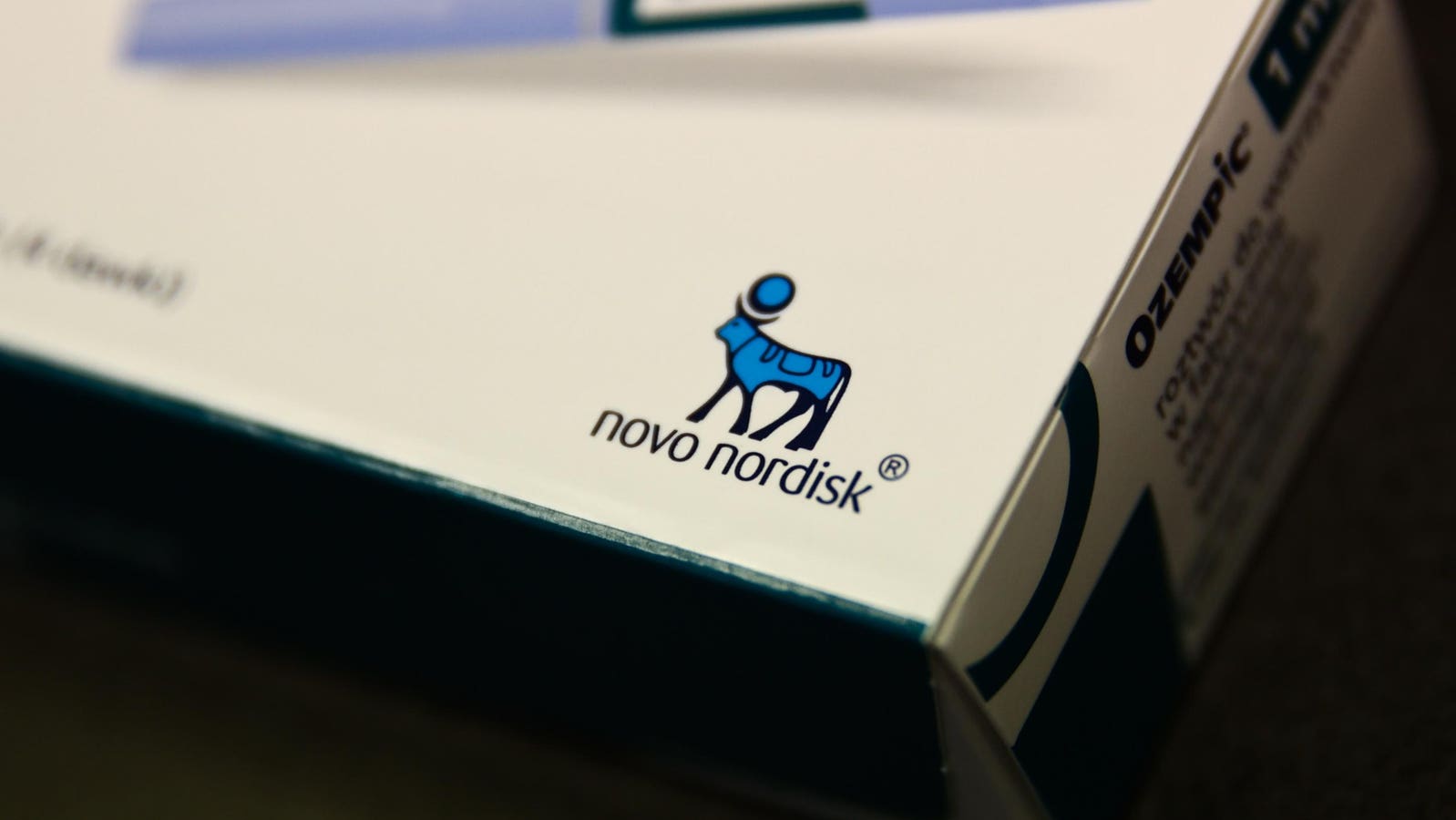
Novo Nordisk said on July 31, 2026 that ziltivekimab, its experimental anti-inflammatory injection, failed the phase 3 ZEUS cardiovascular outcomes trial. The drug hit its biological target but did not reduce major adverse cardiovascular events compared with placebo [1]. Novo Nordisk's shares fell 9.3% the same day, cutting more than $30 billion from its market value [2].
ZEUS was a double-blind, placebo-controlled trial in more than 6,300 people who had atherosclerotic cardiovascular disease, chronic kidney disease and signs of inflammation, defined as high-sensitivity C-reactive protein (hsCRP) of at least 2 mg/L [1]. Participants received once-monthly ziltivekimab 15 mg or placebo on top of standard care. The main endpoint was time to first cardiovascular death, non-fatal heart attack or non-fatal stroke [1].
The result was essentially flat: a hazard ratio of 0.99, with a 95% confidence interval of 0.88 to 1.11 [1]. That range means the trial can rule out both a meaningful benefit and a meaningful harm on those events. The drug did what it was designed to do biologically, lowering free interleukin-6 and hsCRP as expected, but that did not translate into fewer cardiovascular events [1][3].
On safety, overall adverse events and serious adverse events were similar between groups, and there was no difference in all-cause mortality [1]. As expected with a drug that blocks IL-6, a higher share of people taking ziltivekimab had serious infections than those on placebo [1][3].
What the money side looks like
Novo Nordisk's market capitalization fell from $229.2 billion to $198.5 billion, a drop of $30.7 billion, leaving the company about 69% below its June 2024 peak of $635.7 billion [2]. Jefferies analysts wrote that ziltivekimab would have needed to show at least a 20% risk reduction and called the outcome "strategically negative," because it wiped out a possible business beyond Ozempic and Wegovy that they estimated could have been worth more than $10 billion a year [2].
Novo Nordisk said the ZEUS outcome will not change its previously communicated adjusted operating profit outlook for 2026, but it will trigger a non-cash impairment charge in the third quarter of 2026 [1]. Chief scientific officer Martin Holst Lange said the failure "does not change our strategic commitment to cardiovascular disease" [1].
Why it matters for patients
Ziltivekimab is investigational. It is not approved, not sold, and it is not a GLP-1 drug, so nothing about this result changes the availability, labeling or supply of semaglutide (Ozempic, Wegovy, Rybelsus) or any other marketed medicine [1][2].
The indirect effect is about strategy. Analysts had viewed ziltivekimab as Novo Nordisk's main chance to build a cardiovascular franchise and reduce its reliance on sales from Ozempic and Wegovy [2]. With that gone for now, the company leans even harder on its GLP-1 lineup, including its push into pill versions; a Wegovy pill has launched in the United Arab Emirates and the UK, with plans for the US and other markets [2]. How that concentration affects pricing, supply or future research spending is not addressed in the company's statement.
There is also a broader science question. ZEUS was a direct test of whether lowering inflammation reduces heart attacks and strokes. Cardiologists began debating on social media whether the neutral result undercuts the inflammatory hypothesis of cardiovascular disease or simply calls for a rethink [3]. Context matters here: an American College of Cardiology scientific statement last October urged clinicians to factor inflammation into cardiovascular risk, and the FDA approved colchicine in 2023 as the first anti-inflammatory drug to prevent cardiovascular events, based on the LoDoCo2 trial [3]. But the CLEAR SYNERGY trial in late 2024 found colchicine did not reduce events after a heart attack treated with stenting [3].
What happens next
Full ZEUS results are due at a scientific meeting in 2026, which should show event counts, subgroups and infection rates that the top-line release did not include [1][3]. Two other ziltivekimab outcomes trials continue: HERMES in heart failure and ARTEMIS after an acute heart attack, both expected to read out in the first half of 2027 [1][3]. Whether those different patient groups produce a different answer is not yet known.
Images from the sources


Sources
- https://www.globenewswire.com/news-release/2026/07/31/3336733/0/en/novo-nordisk-provides-update-on-the-zeus-phase-3-trial-in-people-with-ascvd-ckd-and-inflammation.html
- https://www.forbes.com/sites/tylerroush/2026/07/31/novo-nordisk-wipes-out-30-billion-in-market-value-after-failed-heart-drug-trial/
- https://www.tctmd.com/news/zeus-trial-ziltivekimab-fails-reduce-mace-ascvd-patients
Semaglutides.org is for information only and is not medical advice. Always talk to a licensed healthcare provider about your own care. Some links to telehealth services are affiliate links, labeled where they appear.