A federal judge dismisses the Strive antitrust suit against Lilly and Novo Nordisk
A federal judge threw out a compounding pharmacy's antitrust case against Eli Lilly and Novo Nordisk, ruling compounded GLP-1s are not legally interchangeable with branded drugs like Zepbound and Wegovy.
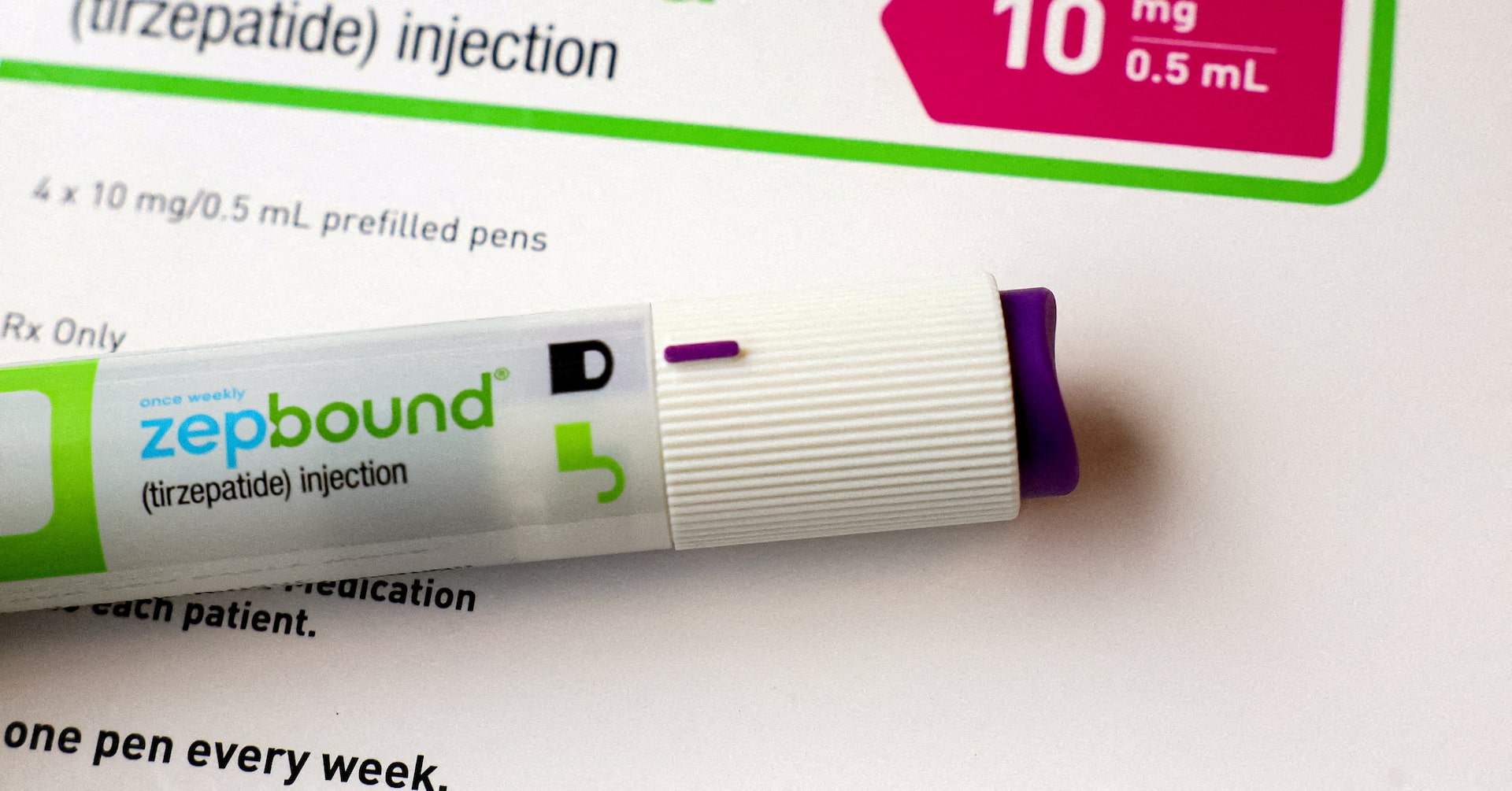
A federal judge in San Antonio has dismissed an antitrust lawsuit that accused Eli Lilly and Novo Nordisk of using exclusive telehealth deals to block patients from getting compounded versions of their weight-loss drugs [1]. U.S. District Judge Micaela Alvarez granted both drugmakers' motions to dismiss, and an antitrust law blog reported the dismissal was with prejudice, meaning the compounder cannot refile the same claims in that court [4].
The plaintiff, compounding pharmacy Strive Specialties, sued in January 2026 in the U.S. District Court for the Western District of Texas [1][2]. Strive alleged that Lilly and Novo struck partnerships with telehealth providers that barred those platforms from working with compounding pharmacies, even when a prescriber had written a prescription for a compounded drug [4][5]. Because telehealth providers account for roughly half of all cash-pay GLP-1 prescriptions, Strive argued the deals cut off a critical channel and suppressed demand for compounded products [4][5]. Strive also claimed the companies sent warning letters to doctors suggesting that prescribing compounded GLP-1s could be illegal, and that Lilly publicly described compounded medicines as "risky" and "unproven" [5].
What the judge decided
The ruling turned on how the market is defined. To win an antitrust case, a plaintiff has to describe a relevant market where competition was harmed [4]. Strive proposed a national market for GLP-1 medications and a submarket for those bought with cash by out-of-network patients [4].
Alvarez found both proposed markets were over-inclusive because they lumped compounded and branded drugs together [4]. Under federal law, outside of a declared shortage, a compounded GLP-1 is ordinarily available only when a licensed prescriber finds that an approved branded drug cannot meet a specific patient's needs — for example, because of allergies, delivery needs, or drug interactions [4][5]. That means the choice is not driven by ordinary consumer preference, the court reasoned, so the two are not "reasonably interchangeable" and do not sit in the same market [1][4].
The judge also found Strive did not adequately allege antitrust injury, writing that "antitrust laws protect competition — not individual competitors — and losses attributable to ordinary competitive forces do not suffice" [1]. Strive's exclusive-dealing claim under Section 3 of the Clayton Act was dismissed alongside its Sherman Act claims because it rested on the same allegations [4].
The court's opinion also laid out background from the complaint: U.S. GLP-1 sales exceeded $40 billion in 2025, branded products sell for more than $1,000 per month, and the drugs sat on the FDA shortage list from 2022 through March 2025 [5]. After that shortage ended, Strive said compounders filled roughly 10% of the cash-pay GLP-1 market [5].
Strive said it was disappointed, noted that some state attorneys general had questioned the drugmakers' efforts to defeat the claims, and said it was weighing options including an appeal [1]. Lilly said "this meritless claim should have never been brought" and that the ruling "confirms that companies mass compounding tirzepatide are violating the law" [1]. Novo said it was "pleased with the court's decision to dismiss all claims" [1].
Why it matters for patients
Many people turned to compounded semaglutide and tirzepatide during the 2022–2025 shortages, often paying cash through telehealth platforms because the copies were cheaper than branded Ozempic, Wegovy, Mounjaro or Zepbound [5]. This ruling does not change FDA rules or ban anything on its own, but it removes one legal challenge to the arrangements that keep major telehealth platforms from routing patients to compounders [1][4].
The court's reasoning also restates the legal line that already exists: with the shortage over, a compounded GLP-1 is generally lawful only when a prescriber documents that the approved product cannot meet a particular patient's needs, and compounders cannot regularly produce what are essentially copies of a commercially available drug [5]. That framing may matter to anyone currently getting a compounded product through a telehealth service.
The sources do not say how many patients are affected, whether any specific telehealth platform will change its offerings, or how pricing will respond. Novo's CEO estimated in January 2026 that about 1.5 million U.S. patients were using compounded versions of the company's GLP-1s [2].
What happens next
The order was entered August 5–6, 2026 [4][6]. Strive said it is evaluating options, including an appeal to the Fifth Circuit; no appeal had been filed as of the reporting in these sources [1]. Separate litigation over compounded GLP-1s, including Lilly's suits against telehealth sellers and a compounder group's challenge to the FDA's shortage decision, continues [2].
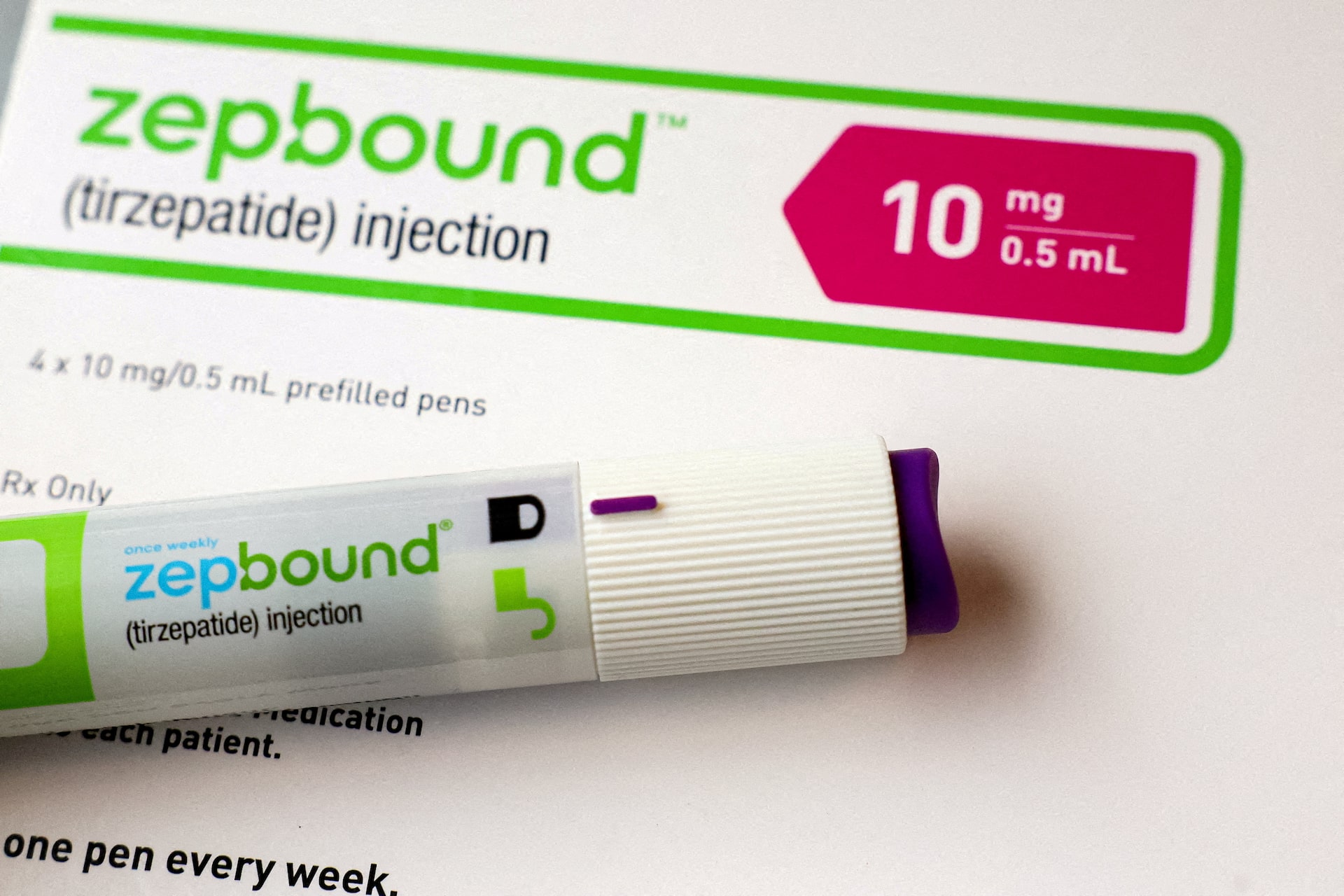
Images from the sources
Sources
- https://www.reuters.com/legal/litigation/lilly-novo-defeat-antitrust-lawsuit-over-glp1-drug-market-2026-08-06
- https://www.biospace.com/business/compounder-sues-lilly-novo-claims-coordinated-crackdown
- https://www.reuters.com/legal/litigation/lilly-novo-defeat-antitrust-lawsuit-over-glp1-drug-market-2026-08-06/
- https://www.lit-antitrust.aoshearman.com/western-district-of-texas-dismisses-antitrust-claims-against-pharmaceutical-firms
- https://storage.courtlistener.com/recap/gov.uscourts.txwd.1172884497/gov.uscourts.txwd.1172884497.55.0.pdf
- https://news.bloomberglaw.com/health-law-and-business/lilly-novo-get-judge-to-toss-glp-1-compounders-antitrust-suit
Semaglutides.org is for information only and is not medical advice. Always talk to a licensed healthcare provider about your own care. Some links to telehealth services are affiliate links, labeled where they appear.