Brazil seizures of smuggled GLP-1s nearly triple as black market grows
Brazilian customs seized 165,589 units of smuggled semaglutide and tirzepatide through June 2026, nearly triple all of 2025, highlighting the same unregulated supply chains that also reach US buyers online.
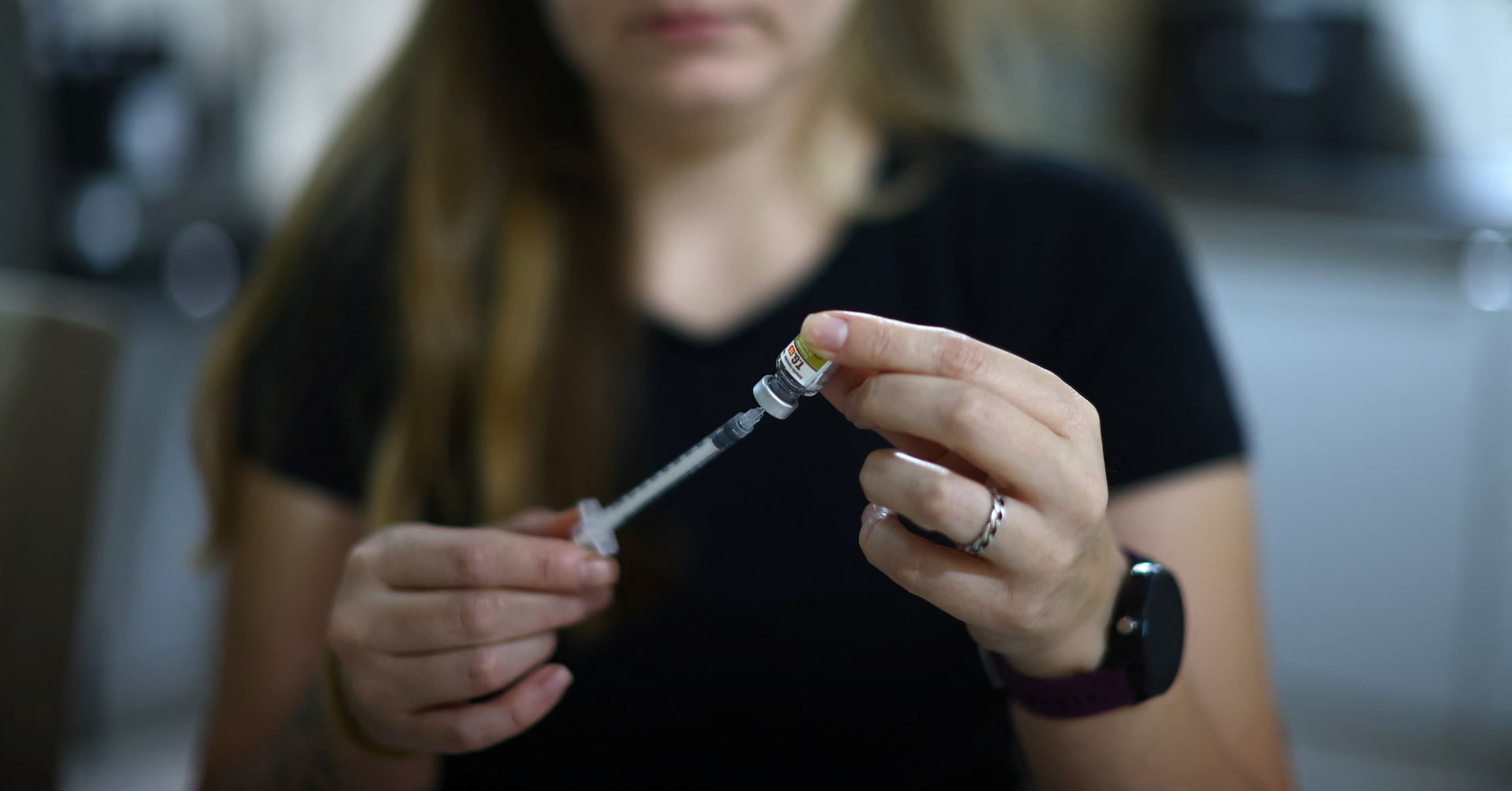
Brazilian customs agents seized more than 76,000 pens, vials and other weight-loss products containing semaglutide and tirzepatide in the first half of 2026, nearly three times the total confiscated during all of 2025 [2]. Brazil's Federal Police counted 165,589 units seized through June, compared with 60,865 for all of last year [2][1]. A separate anti-counterfeiting group put 2025's full-year total at 60,787 units, up from just 609 in 2024 [1].
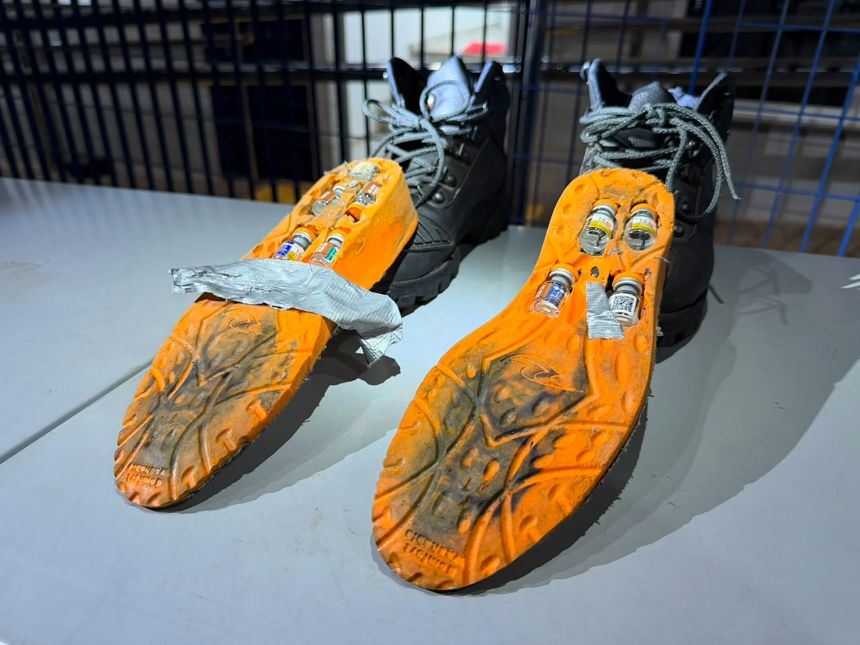
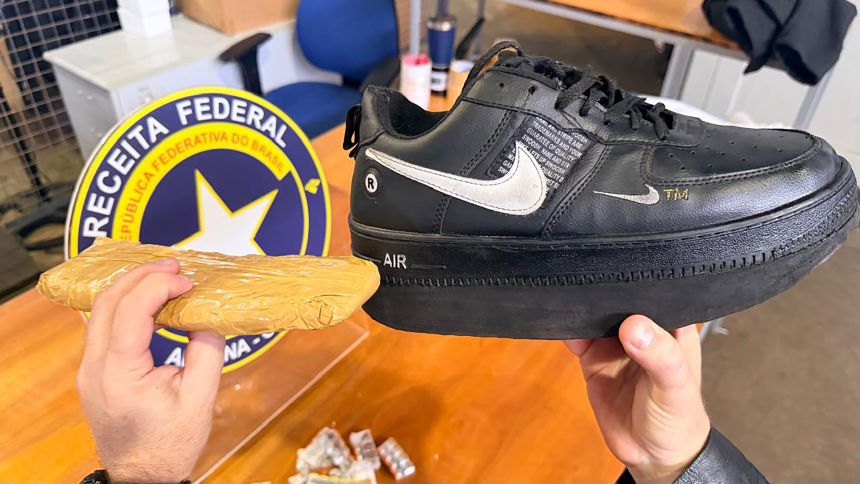
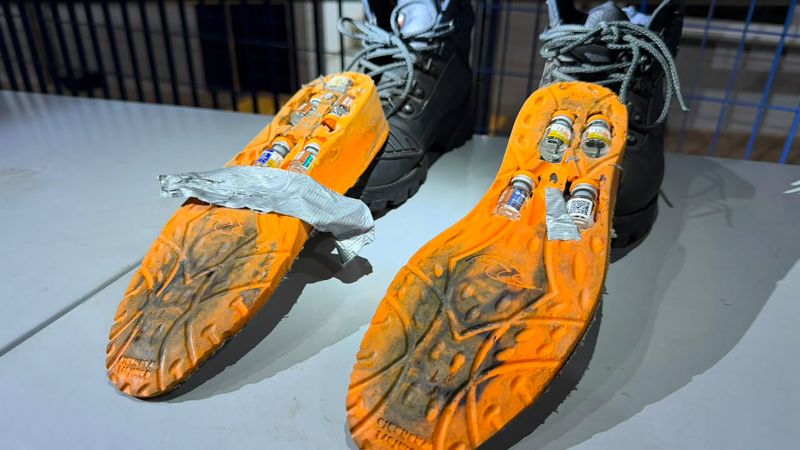
The smuggling runs mainly across the Friendship Bridge between Brazil and Paraguay, where more than 100,000 people and 45,000 vehicles cross daily, making it hard for officials to catch illicit cargo [2]. Agents have found the drugs hidden in dulce de leche jars aboard a tourist bus, inside shoe soles, shampoo bottles, massage-gel containers and secret vehicle compartments [1][2]. One April seizure at the border turned up more than 2,500 vials of tirzepatide concealed in sweet spread, according to Brazil's Federal Revenue Service [1].
The economics are stark. A four-week supply of Mounjaro's lowest dose costs about $290 in Brazil, while a locally manufactured tirzepatide ampoule sells for roughly $68 in Paraguay [1][2]. Investment bank Itau BBA estimates 51% of Brazil's roughly $7 billion weight-loss drug market this year will come from untracked sources, including smuggled products and compounded pharmacies [1]. Online orders for GLP-1 medications in Brazil rose 149.3% in the first half of 2026, from 547,249 orders in the prior six months to more than 1.36 million, representing about $460 million in purchases, according to data firm Serasa Experian [2].
Brazilian officials are investigating 83 deaths and more than 3,600 complications linked to weight-loss drugs recorded between 2018 and mid-August 2026, with over 60% of complications reported just in 2025 and 2026 [1]. Reuters could not independently confirm how much of a role unauthorized versions played in those cases [1]. One documented case involved a 31-year-old woman who died of asphyxiation after severe hypoglycemia following a dose of an unspecified weight-loss drug used without medical supervision, according to a medical examiner who performed her autopsy [1]. A doctor in southern Brazil described a patient who ended up in intensive care with lactic acidosis after using a product sold as tirzepatide from Paraguay [2].
Why it matters for patients
The same supply chains feeding Brazil's black market also reach online sellers shipping into the United States, so the risks described here are not purely a foreign problem [2]. Injectable GLP-1 drugs are peptides that can lose stability outside a narrow temperature range, roughly 32 to 86 degrees Fahrenheit, according to one endocrinologist quoted in the reporting, meaning products smuggled in vehicles or against a person's body may become less effective or unpredictable [2]. Products of unknown origin also carry unknown manufacturing quality, which can mean impurities or contents that do not match the label [2].
Brazilian regulators note that even approved GLP-1 drugs carry known risks, including acute pancreatitis in an estimated 0.1% to 1% of patients, along with aspiration and pneumonia risks during anesthesia because the drugs slow digestion [1]. Officials say these risks are amplified when drugs are used without medical supervision, particularly around fasting and dosing, which can trigger hypoglycemia [1].
What happens next
Brazil's health regulator, Anvisa, signed an agreement with Paraguay's health surveillance agency in late August 2026 to strengthen border oversight [2]. Anvisa has also approved cheaper domestic alternatives, including a generic semaglutide pen in May 2026 and additional injectable diabetes drugs in July 2026, in hopes that lower legal prices will reduce demand for smuggled products [1]. Separately, products marketed as retatrutide, an experimental Eli Lilly drug not approved anywhere and legally available only in company-sponsored trials, are reportedly already being sold in Paraguay, according to one doctor interviewed for this reporting [2]. Lilly has said it plans to submit retatrutide to the FDA in the first quarter of 2027 [2].
Images from the sources
Sources
Semaglutides.org is for information only and is not medical advice. Always talk to a licensed healthcare provider about your own care. Some links to telehealth services are affiliate links, labeled where they appear.