Guardian reports patients buying gray-market retatrutide despite no approval anywhere
The Guardian documented people buying unapproved retatrutide from online sellers and dosing it using vendor and Reddit instructions, while Eli Lilly does not expect to file the drug with the FDA until early 2027.
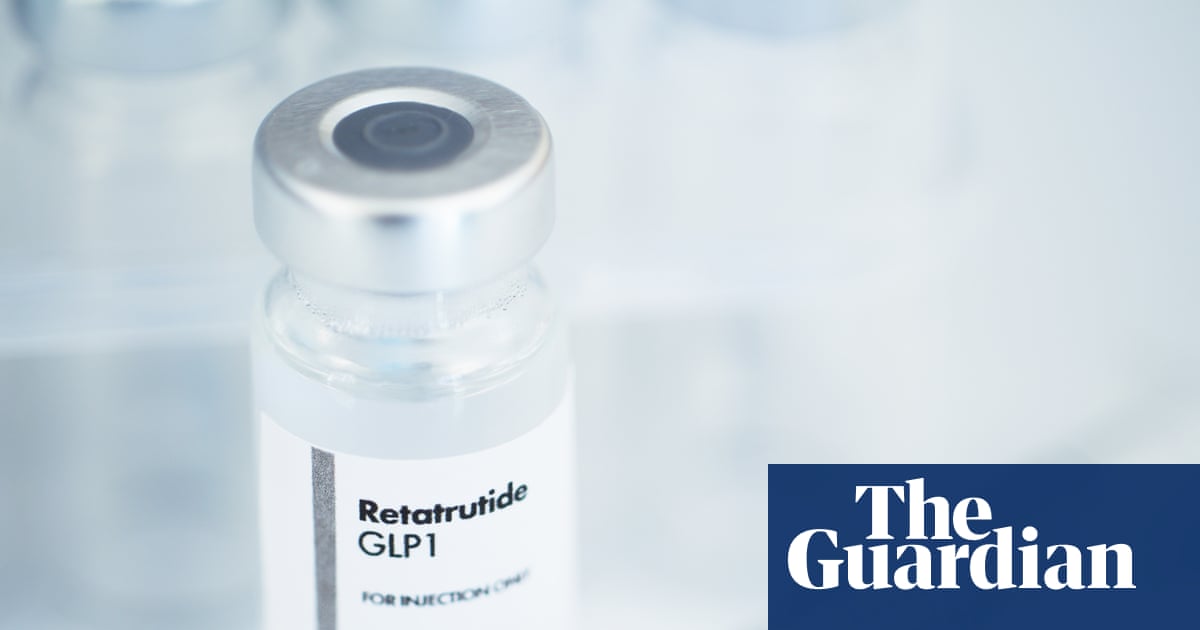
People in the US are buying retatrutide, Eli Lilly's experimental triple-hormone obesity drug, from online gray-market sellers and injecting it at home based on dosing instructions from vendors and online forums, The Guardian reported on August 31 [1]. The drug is not approved by the FDA or any other regulator, and no agency has reviewed the products being sold for identity, purity or sterility [1].
The Guardian interviewed a man it identified as Henry, a thirtysomething in the Pacific Northwest who is 6ft 3in and weighed 210lb about two years ago. He had hypertension and sleep apnea and started Ozempic (semaglutide), but developed constipation and wanted to switch. He bought retatrutide online from sellers in China, has lost 30lb, and says his skin has become unusually sensitive. He has not told his doctor, because he did not want it documented [1].
What retatrutide is, and isn't
Retatrutide is a "triple agonist": it targets the GLP-1 and GIP receptors plus glucagon, while semaglutide targets GLP-1 alone and tirzepatide (Mounjaro, Zepbound) targets GLP-1 and GIP [1]. In an 80-week clinical trial in patients with severe obesity and heart disease, those on the highest weekly doses lost an average of 22% of body weight, or 55lb, according to Lilly [1]. Those results come from trials, not from the products sold online.
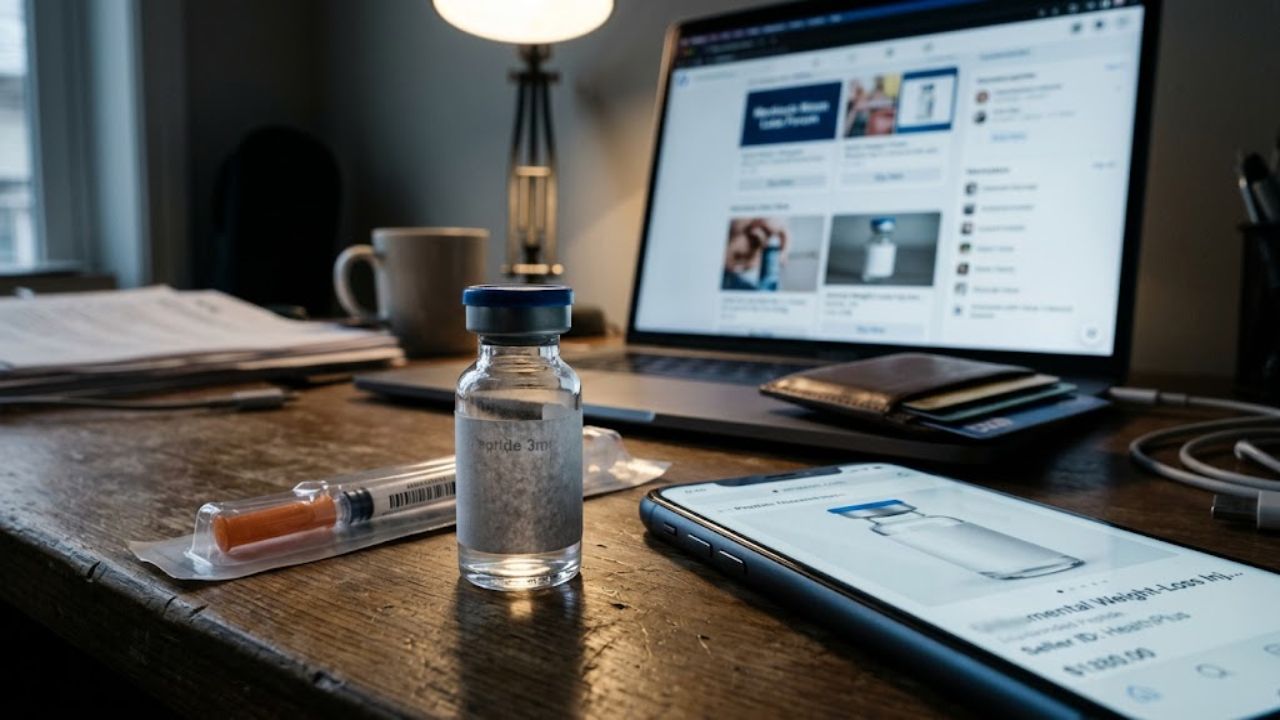
A Reddit group devoted to the drug draws more than 179,000 visits a week and hosts a "beginner's guide" to buying it on the gray market, including dosing instructions and a warning not to use product that arrives in a prefilled pen [1]. Dr. Caroline Messer, a New York endocrinologist, said patients ask her about retatrutide roughly five times a day, most of them people who have "maxed out on Zepbound" without reaching their target weight [1]. Her advice, she said, is "wholeheartedly — but not through the gray market. Just wait till it hits the market" [1].
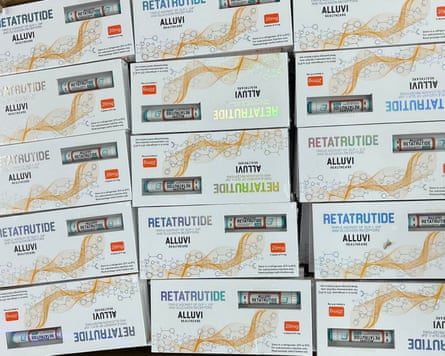
Documented harms so far are limited but real. In June, the Victoria state government in Australia reported six cases of acute liver toxicity in people who used a product labeled as retatrutide [1]. UK regulators seized counterfeit retatrutide in a raid in October 2025 [1]. Lilly has sued six companies it says sold the drug, including Lone Star Peptide in Texas, which markets it for "research use only," and Aesthetic Envy Cosmetic Centers, a Sacramento med spa; one lawsuit states that "illegal drugs made outside of a regulated, inspected supply chain are more likely to contain bacteria and other harmful contaminants and impurities" [1]. Lone Star declined to comment and Aesthetic Envy did not respond [1].
Lilly has also moved beyond the courts. On August 12 the company publicly pressed credit card companies, payment processors, social media platforms, e-commerce sites and shipping firms to block ads and payments for vendors selling products marketed as retatrutide, announcing the demand alongside the six lawsuits [2]. Lilly has said it has flagged more than 14,000 listings across more than 100 countries and that some patients have been hospitalized after using black-market product; that harm figure comes from the company and is not independently verified in these sources [2].
Why it matters for patients
The practical gap is oversight. With an approved drug, the vial's contents, sterility and labeling are checked, and dose changes and side effects are tracked by a prescriber. With gray-market vials, the strength and purity are unknown, and the dosing instructions come from sellers or strangers online [1]. That matters more with a powder that has to be mixed at home, since contamination and math errors both become the user's problem.
There is also a disclosure issue. Dr. David Shafer, a New York plastic surgeon who says he obtained retatrutide from a compounding pharmacy, told The Guardian that people using it should tell their provider anyway: "The doctors are not the police, and they are not going to turn you in for buying something online" [1].
One legal route exists but is narrow. In August, Lilly said it would give a limited number of patients access before FDA approval [1]. Messer said qualifying is "just so unbelievably difficult" that approval may arrive first, and that the process "pits the patient against the doctor" [1].
What happens next
Lilly does not expect to submit retatrutide to the FDA until early 2027, meaning there is no approved label, no price and no insurance coverage decision to point to yet [2]. Dan Burke, a former head of a division in the FDA's Office of Criminal Investigations, said demand has been driven by "podcasts and politicians, not through doctor-patient relationships" [1]. How the lawsuits and the payment-blocking push affect supply is not yet known.
Images from the sources
Sources
Semaglutides.org is for information only and is not medical advice. Always talk to a licensed healthcare provider about your own care. Some links to telehealth services are affiliate links, labeled where they appear.