India's cheap generic semaglutide struggles to crack the market
Cheap copycat versions of Ozempic and Wegovy flooded India after patents expired in March, but sales are running far below forecasts, a preview of how slowly generic competition might unfold once US patents expire in 2032.
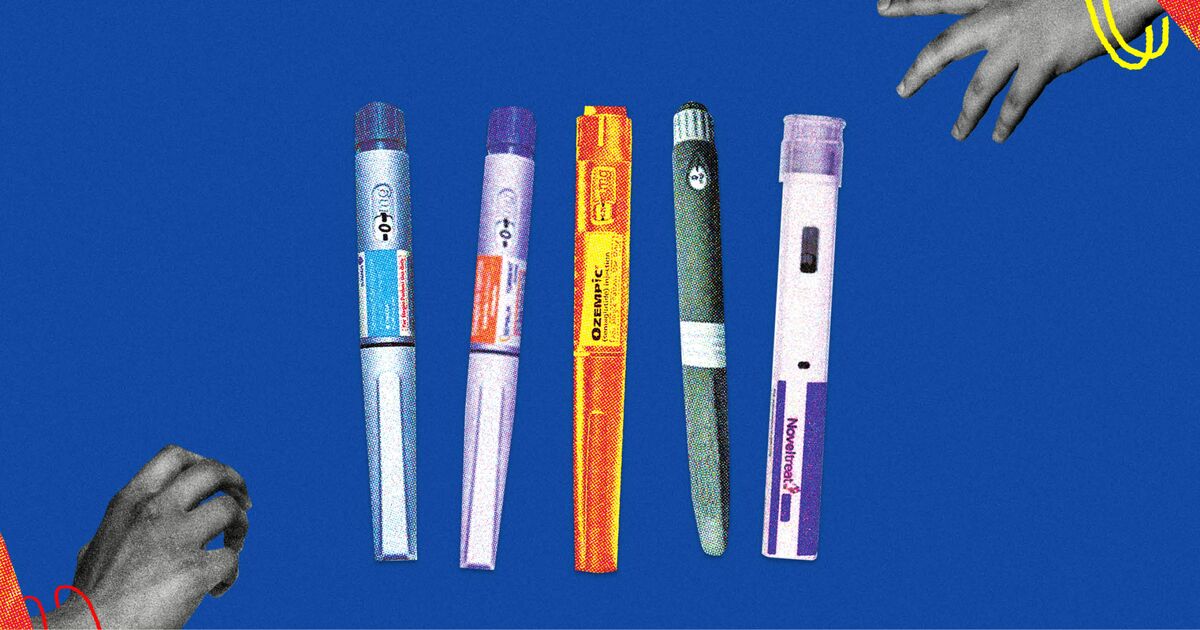
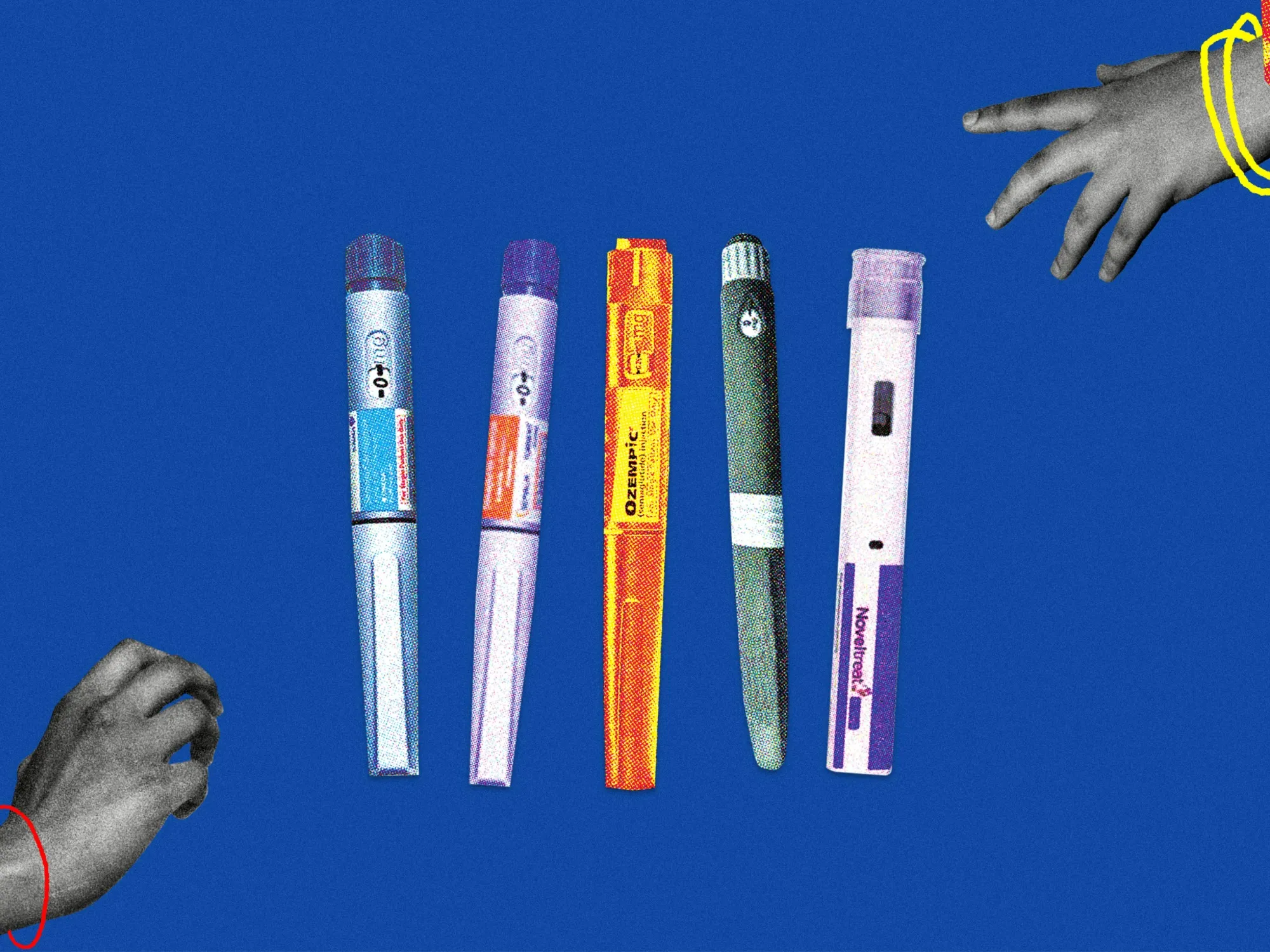
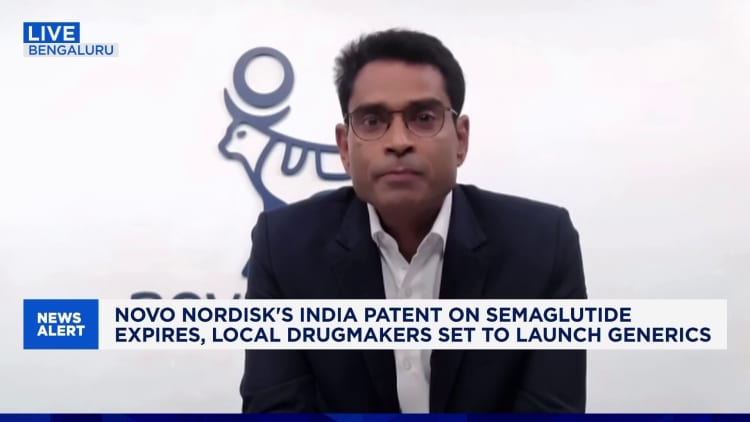
India's patent on semaglutide, the active ingredient in Ozempic and Wegovy, expired in March 2026, and within months roughly three dozen generic versions had reached pharmacy shelves, some priced as low as $14 a month [1]. Analysts at Nomura Holdings had predicted $261 million in Indian sales of these drugs for 2026, with some projections reaching $1 billion a year by 2030 [1]. But data from researcher Pharmarack Technologies shows actual sales through July totaled only about 20% of that forecast [1].
The slow start is notable because India has one of the largest markets for these drugs outside the US and China, with roughly 100 million people living with diabetes and nearly a quarter of the population classified as obese [2]. More than 50 brands were expected to launch generic semaglutide, and companies like Sun Pharmaceutical and Dr. Reddy's Laboratories rolled out versions at roughly half of Novo Nordisk's original price, while smaller manufacturers such as Natco Pharma and Alkem Laboratories cut prices by nearly 80% [2]. Natco's vial formulation sells for 1,250 rupees a month, and Alkem's prefilled injections start at 1,800 rupees a month [2].
Despite the discounts, price alone hasn't been enough to shift patients away from branded drugs. Diabetes specialist Rajiv Kovil said nearly half of his patients could benefit from GLP-1 drugs, but only about 5% currently use them, and he said he plans to wait for more evidence on the new generics' effectiveness and availability before switching patients off Novo's and Eli Lilly's products [2]. Distribution gaps, uneven pen supply, and cautious physician habits have also slowed adoption, according to Bloomberg [1]. Novo Nordisk cut Wegovy's price in India by 37% before the patent expired, and industry analysts have said Novo could hold onto much of its market if it keeps prices within 15% to 20% of the generics [2].
Quality control has added friction. GLP-1 drugs are peptide-based medicines that require a cold chain and precise manufacturing, unlike simpler generic drugs such as painkillers that India typically produces [2]. Knud Jensen, a chemistry professor at the University of Copenhagen, said quality control for these large molecules is harder than for small ones, and that the finished product "cannot have any side products or contaminants" [2]. Some industry watchers said Indian manufacturers have made real progress on compliance, but most experts agree quality control there is still catching up to Europe or the US [2].
Why it matters for patients
Semaglutide remains under patent protection in the US until 2032, so branded Ozempic, Wegovy, and Rybelsus have no legal generic competition here yet [2]. India's experience suggests that even when a patent expires and cheap copies flood the market, brand loyalty, distribution networks, and physician caution can keep patients on the original drug longer than price alone would predict. That matters for US patients bracing for eventual price competition, since it hints the transition may be gradual rather than sudden. There is also a broader concern: some industry figures worry that large-scale Indian manufacturing could lead to product finding its way into markets where the patent is still active, though analysts say that outcome depends on whether laws restricting sales to patent-expired countries are enforced [2]. It is not yet known whether that kind of leakage is occurring or how it might affect US supply.
What happens next
Novo Nordisk has not announced a fresh round of price cuts in India, though Kovil said he expects the company will eventually reduce prices further [2]. Novo already warned in February that global sales could fall 5% to 13% in 2026 due to patent losses in India, Canada, Brazil, and China [2]. Whether Indian generic sales accelerate toward the original forecasts, or continue lagging, remains to be seen, and no timeline for US semaglutide generics exists before the 2032 patent expiration [2].
Images from the sources
Sources
Semaglutides.org is for information only and is not medical advice. Always talk to a licensed healthcare provider about your own care. Some links to telehealth services are affiliate links, labeled where they appear.