Lilly announces the first cardiovascular indication for a dual GIP/GLP-1 agonist
The FDA approved Mounjaro (tirzepatide) to lower the risk of heart attack, stroke or cardiovascular death in adults with type 2 diabetes at high risk, based on a trial that showed it was not worse than an older Lilly drug.
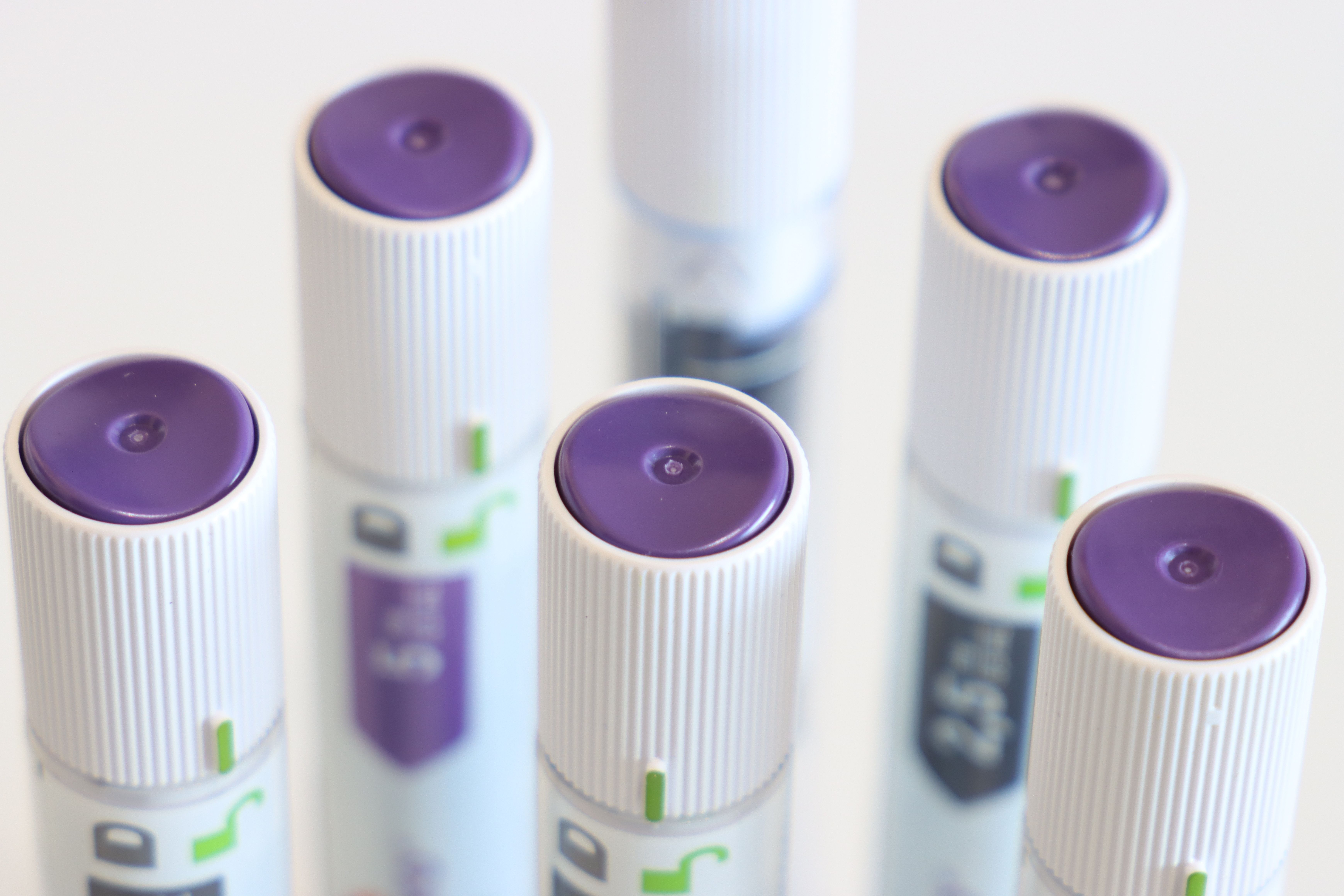
The US Food and Drug Administration has approved Mounjaro (tirzepatide) to lower the risk of major adverse cardiovascular events — cardiovascular death, non-fatal heart attack or non-fatal stroke — in adults with type 2 diabetes who are at high risk for those events [1]. Eli Lilly announced the decision on August 28, 2026, as the European Society of Cardiology's annual Congress opened in Munich [2].
Mounjaro was already approved alongside diet and exercise to improve blood sugar in adults and children 10 years and older with type 2 diabetes [1]. It is now the first and only dual GIP and GLP-1 receptor agonist with a cardiovascular risk-reduction claim [1][3]. Novo Nordisk's semaglutide products got there first: Wegovy was approved in March 2024 for adults with heart disease and overweight or obesity, and Ozempic is approved to reduce major cardiovascular events in adults with type 2 diabetes and established cardiovascular disease [2]. Semaglutide activates the GLP-1 receptor alone [2].
What the trial showed
The approval rests on SURPASS-CVOT (NCT04255433), which Lilly describes as the first cardiovascular outcomes trial to test two incretin medicines head-to-head instead of against placebo [1][3]. The randomized, double-blind phase 3 trial enrolled 13,299 adults with type 2 diabetes and established atherosclerotic cardiovascular disease at 640 sites in 30 countries [1][3]. Participants were assigned 1:1 to tirzepatide (15 mg or the maximum tolerated dose) or dulaglutide (Trulicity) 1.5 mg, both injected once weekly [1][3].
Over a median follow-up of 210.1 weeks — about four years — a primary endpoint event occurred in 801 patients (12.2%) taking tirzepatide and 862 (13.1%) taking dulaglutide (hazard ratio 0.92; 95.3% confidence interval 0.83–1.01; P = .003 for non-inferiority; P = .09 for superiority) [3]. That works out to an 8% lower relative rate of MACE-3 with Mounjaro [1][2].
The wording matters. Tirzepatide met the bar for non-inferiority to dulaglutide, but superiority was not established [1][3]. Because the confidence interval crosses 1.00 and the superiority test did not reach statistical significance, the label reflects that Mounjaro performed as well as a drug already known to cut cardiovascular risk — not that it beat it [3]. "We set a higher bar by testing Mounjaro against a GLP-1 medicine with proven cardiovascular benefit," said Kenneth Custer, executive vice president and president of Lilly Cardiometabolic Health [1][2]. Pharmacy Times noted that pharmacists fielding questions framed around tirzepatide being "better for the heart" should anchor conversations in what the trial actually established [3].
Safety in the trial was generally consistent with tirzepatide's known profile. The most common side effects were gastrointestinal, generally mild to moderate, and clustered during the dose-escalation period [1][3]. Labeling continues to carry a boxed warning for thyroid C-cell tumors, plus warnings about pancreatitis, low blood sugar when combined with insulin or sulfonylureas, and dehydration that can lead to kidney problems [1][3].
Why it matters for patients
For people with type 2 diabetes and existing heart disease, the practical change is what the prescribing information now says a drug is proven to do. Insurers and prescribers often lean on labeled indications when deciding coverage and treatment sequencing, and Mounjaro now carries a formal cardiovascular claim rather than a glucose-and-weight claim alone [3].
The evidence does not say Mounjaro protects the heart better than a GLP-1 drug such as dulaglutide, semaglutide or others with established benefit [1][3]. A separate claims-based analysis published in The BMJ compared tirzepatide starters with sitagliptin and reported a lower one-year MACE risk (2.9% vs 4.4%; HR 0.68; number needed to treat 70), but the authors cautioned that the observational design cannot rule out residual confounding [3].
One limit to note: the approval covers adults with type 2 diabetes at high risk of these events [1]. The sources do not address whether tirzepatide's obesity brand, Zepbound, will get a similar claim, so that remains unknown.
What happens next
Data from SURPASS-CVOT has already been added to Mounjaro's product information in the European Union, and regulatory submissions based on the trial are under review in additional markets [1]. Full results were published in The New England Journal of Medicine [1][3]. Lilly has not said publicly when updated US labeling and patient materials will reach pharmacies.
Images from the sources

Sources
- https://www.prnewswire.com/news-releases/fda-approves-lillys-mounjaro-tirzepatide-to-reduce-cardiovascular-risk-in-adults-with-type-2-diabetes-302862415.html
- https://www.biospace.com/fda/lilly-joins-novo-in-cardiovascular-space-after-fda-nod-for-glp-1-gip-agonist-mounjaro
- https://www.pharmacytimes.com/view/fda-approves-tirzepatide-to-cut-cv-risk-in-type-2-diabetes
Semaglutides.org is for information only and is not medical advice. Always talk to a licensed healthcare provider about your own care. Some links to telehealth services are affiliate links, labeled where they appear.