GLP-1 gastrointestinal MDL reaches 3,928 pending cases
Federal lawsuits alleging GLP-1 drugs caused gastroparesis, bowel blockages and gallbladder problems have grown to 3,928 pending cases, with a key court hearing on scientific evidence set for September 2026.
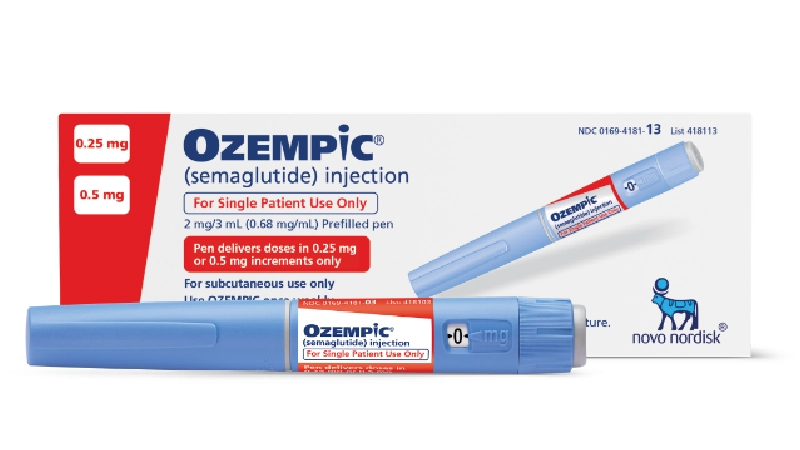
The federal multidistrict litigation over gastrointestinal injuries linked to GLP-1 drugs has grown to 3,928 pending cases as of August 3, 2026, up 80 from the prior month [1][2]. The cases are consolidated in MDL No. 3094, formally titled In Re: Glucagon-like Peptide-1 Receptor Agonists (GLP-1 RAs) Products Liability Litigation, before Judge Karen Spencer Marston in the U.S. District Court for the Eastern District of Pennsylvania [1][2].
The case count has climbed steadily through 2026: 3,063 pending cases on January 5, 3,546 on April 1, 3,636 on May 1, 3,763 on June 1, 3,848 on July 1, and 3,928 on August 3 [1]. By September 1, 2026, the total reached 4,022 [1]. A separate but related MDL, No. 3163, handles claims of NAION, a rare vision-loss condition; it had 216 pending cases as of September 1, 2026 according to one source [1], while another source put the figure at 200 as of late August [2].
Plaintiffs in MDL 3094 allege that Novo Nordisk and Eli Lilly failed to adequately warn patients and doctors about gastroparesis (stomach paralysis), intestinal obstruction or ileus, and gallbladder injuries requiring surgery, among other complications [2]. The sources reviewed for this story do not provide a verified percentage breakdown of how many cases allege each specific injury type, so that detail is not yet confirmed. The litigation's core legal theory is failure to warn, after design-defect claims were narrowed earlier in the case [2]. An amended 264-page master complaint, filed August 29, 2025, lays out 16 counts, including failure to warn, breach of warranty, and several fraud and misrepresentation claims [2].
The litigation has already produced significant rulings. In August 2025, the court excluded two of the plaintiffs' diagnostic experts and required that gastroparesis claims be supported by an objective gastric emptying study rather than symptoms alone [2]. In June 2026, Eli Lilly asked the court to dismiss the plaintiffs' remaining experts, a request the defense has said should lead to dismissal of the case if granted, though such requests rarely succeed outright [1]. No case in either MDL has settled, and no jury has found that these medications caused any plaintiff's injury [2].
Why it matters for patients
The growing case count does not establish that GLP-1 drugs caused any individual's injury; it reflects how many lawsuits have been filed and consolidated for pretrial proceedings, not a legal or scientific finding [2]. For patients currently taking or considering semaglutide (Ozempic, Wegovy, Rybelsus) or tirzepatide (Mounjaro, Zepbound), the litigation signals that gastrointestinal side effects — particularly stomach paralysis, bowel obstruction, and gallbladder problems — remain an active area of legal and medical scrutiny [1][2]. Patients experiencing prolonged vomiting, severe abdominal pain, or other digestive symptoms after starting these drugs may want to discuss testing options, such as a gastric emptying study, with their prescriber, since that kind of objective diagnosis has become central to how courts are now evaluating these claims [2]. The litigation also does not change the FDA-approved labeling or medical guidance for these drugs; it is a separate legal process running in parallel.
What happens next
A court hearing on the admissibility of the plaintiffs' expert evidence in MDL 3094 is scheduled for September 14 through 18, 2026 [2]. The outcome could determine whether many of the pending gastroparesis and bowel-injury claims can proceed to trial or face dismissal, since the case currently relies on expert testimony to establish that the drugs caused these conditions [1][2]. No trial date has been set in either MDL as of the most recent reporting [2].
Sources
Semaglutides.org is for information only and is not medical advice. Always talk to a licensed healthcare provider about your own care. Some links to telehealth services are affiliate links, labeled where they appear.