Nestle plans a product line aimed at 'Ozempic face' and other GLP-1 side effects
Nestlé says it is building foods, drinks and supplements aimed at people on GLP-1 drugs, targeting muscle loss, facial thinning and nutrient gaps, and using AI to speed up development.
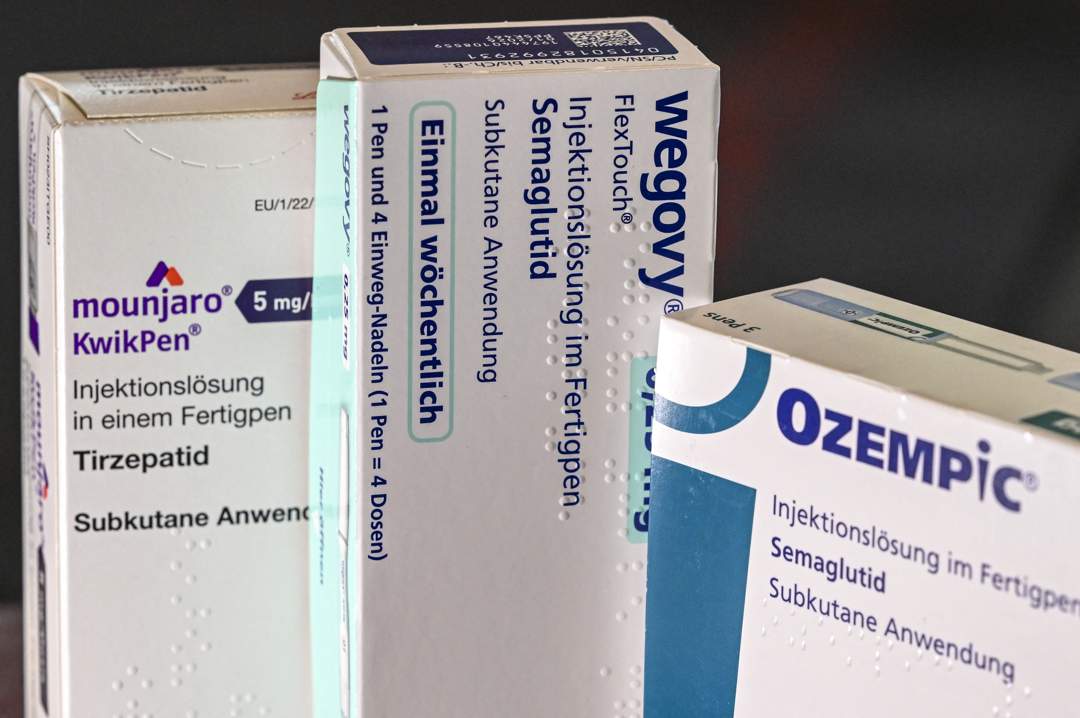
Nestlé is developing a line of products aimed squarely at the roughly 16 million Americans now taking GLP-1 drugs like Ozempic and Wegovy, the company told Reuters [1]. Chief technology officer Stefan Palzer said Nestlé sees the side effects of rapid weight loss, not just the drugs themselves, as a new market opportunity [1].
Palzer named three problems Nestlé wants to address: muscle loss, facial fat loss that produces the gaunt look some call "Ozempic face," and nutrient gaps from eating less [1]. He said Nestlé scientists have studied the consequences of rapid weight loss and are using artificial intelligence to sift clinical research and identify nutrient combinations that could help [1].
One concrete example: Nestlé says it found a combination of two micronutrients that, paired with protein, is meant to help stimulate muscle tissue regrowth, and the company has "industrialised" that combination for use in products [1]. Nestlé has also started adding collagen to its Vital Proteins line for skin, hair and nail support, and it has patented ingredient combinations intended to blunt the rebound hunger that can follow stopping GLP-1 treatment [1].
Some products are already on shelves. In the US, Nestlé's Boost Advanced Nutrition Shake is marketed with 35 grams of protein per serving to support muscle health during weight loss [1]. In Asia and Australia, the company sells a higher-protein version of its Milo drink called Milo Pro High Protein [1]. Internally, Nestlé uses an AI platform called Food Genie to help product developers work through a database of roughly 120,000 recipes and predict how new formulations might perform, alongside AI tools that simulate consumer reactions and scan social media for emerging trends [1].
Why it matters for patients
For people on semaglutide or tirzepatide, this points to a coming wave of marketed products, shakes, snacks, supplements, positioned as answers to eating less and losing muscle or facial volume. That does not mean the products are medically necessary or proven to reverse those effects; the source describes Nestlé's rationale and ingredient claims but does not include clinical trial data showing the muscle-tissue combination or collagen additions actually work for GLP-1 users [1].
Not everyone in nutrition science is convinced these products add much. Amanda Avery, an associate professor of nutrition and dietetics at the University of Nottingham, said conventional foods like meat, fish, eggs, dairy, beans, nuts and pulses remain relatively cheap sources of the same protein and nutrients these new products promise, and questioned why consumers keep turning to pricier packaged options for the same nutritional content [1]. She also said marketing influences buying decisions regardless, and predicted Nestlé's products would still find customers [1].
For patients managing costs alongside a GLP-1 prescription, this is a reminder that specialty "GLP-1-friendly" products carry a price premium, and that whole foods can supply comparable protein and nutrients according to the nutrition expert quoted in the reporting [1]. Whether facial volume loss or muscle loss from these drugs can be meaningfully addressed through diet products, versus resistance training, protein intake generally, or other approaches, is not addressed with clinical evidence in the available sources.
What happens next
The reporting does not include specific launch dates for most of the new products Nestlé is developing, only that Boost Advanced Nutrition Shake and Milo Pro High Protein are already available in some markets [1]. Nestlé's broader push, including new formulations built around its muscle-support micronutrient combination and anti-rebound-hunger ingredients, appears to still be in development, with no confirmed US release timeline in the source material [1]. A second source describing Nestlé's AI-driven approach in more detail was not accessible for this story [2].
Sources
Semaglutides.org is for information only and is not medical advice. Always talk to a licensed healthcare provider about your own care. Some links to telehealth services are affiliate links, labeled where they appear.