Business Post tallies Novo Nordisk's written-off deals as ziltivekimab setback lingers
Novo Nordisk's record of costly acquisitions is drawing new scrutiny, but the setbacks involve experimental or written-down assets, not the approved GLP-1 medicines patients use.
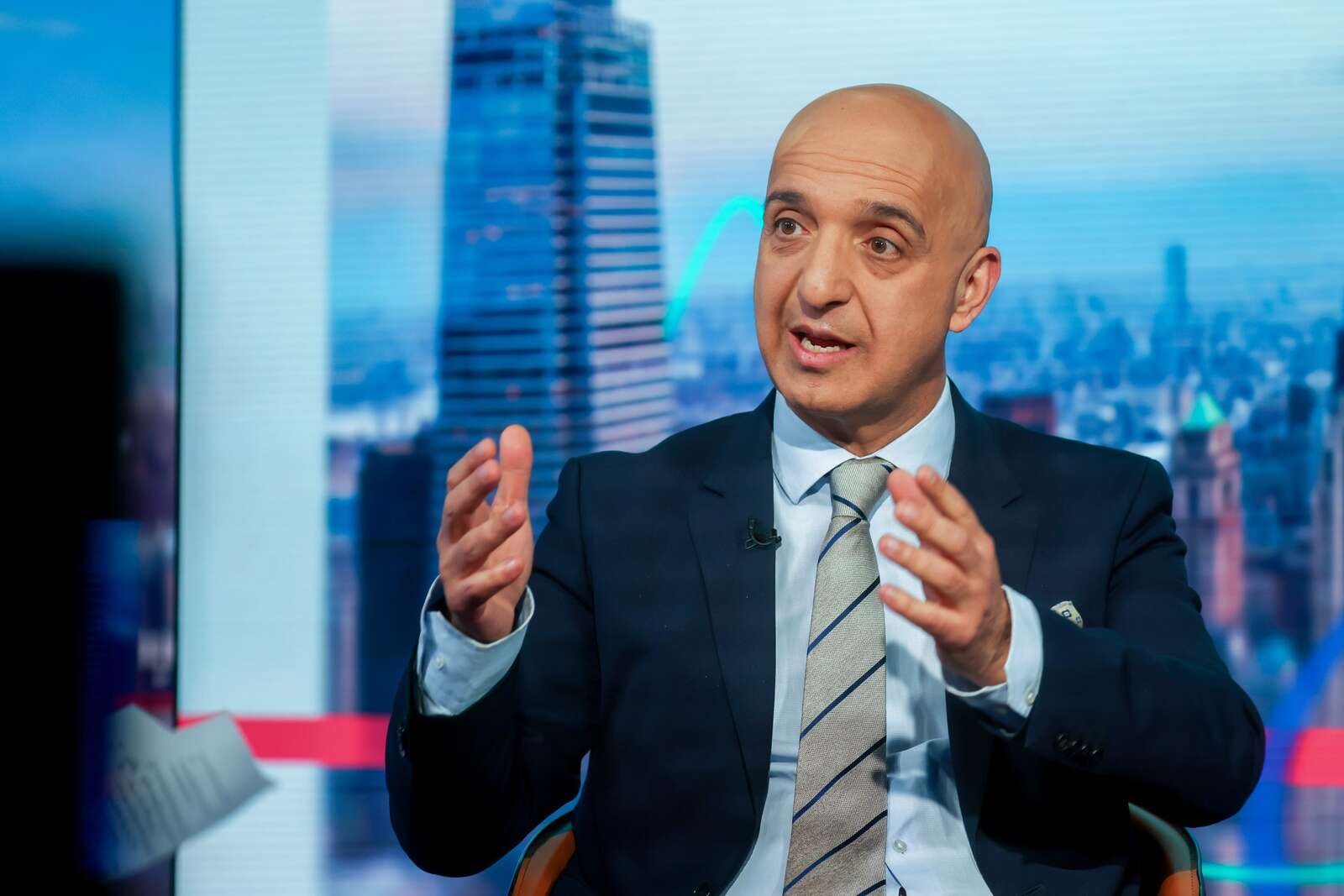
Business Post reported on August 25, 2026 that Novo Nordisk has spent billions of dollars on acquisitions that were later impaired or written down, and that the company is pursuing legal action against KBP Biosciences [1]. The publication set that deal record against the July 31 failure of ziltivekimab, an experimental anti-inflammatory heart drug, in the first of three late-stage trials [1][2].
The analysis, by Kevin Grønnemann and Tom Frovst, says Novo's "streak of acquisition missteps raises doubts with major deals written off," and examines why the company is going to court against KBP Biosciences [1]. The article's publicly posted summary does not give a dollar figure for each deal or state a total value written off, and Novo Nordisk's response to the report has not been disclosed [1].
What the ziltivekimab failure showed
Ziltivekimab was tested in ZEUS, the first of three Phase 3 trials to report. In more than 6,300 patients with atherosclerotic cardiovascular disease, chronic kidney disease and elevated inflammation, the drug did not significantly reduce major adverse cardiovascular events compared with placebo [2]. Novo shares fell close to 9 percent on July 31, 2026, and roughly $30 billion of market value disappeared in a day [2].
Novo says its 2026 adjusted operating profit outlook is unchanged, but a non-cash impairment charge will be recorded in the third quarter [2]. Two more trials continue: HERMES in heart failure and ARTEMIS in acute myocardial infarction [2].
The strategic weight of the result is larger than the one-day share move. Ziltivekimab was Novo's clearest attempt to build a cardiometabolic business that does not depend on GLP-1 drugs, and that diversification is now a year or more further away [2].
Novo's GLP-1 business versus the deal record
Novo reported second-quarter 2026 results on August 4, with adjusted operating profit of 33.4 billion Danish kroner, up 11 percent, and raised its full-year outlook to a decline of 0 to 6 percent from a decline of 12 to 4 percent [2]. Its oral Wegovy brought in DKK 3.22 billion against DKK 3.27 billion expected, and the company remains the number two player in obesity behind Eli Lilly [2]. CagriSema, Novo's once-weekly GLP-1 and amylin combination, produced about 22.7 percent weight loss, short of the roughly 25 percent some had hoped for, with a US approval decision expected in the second half of 2026 [2]. Mike Doustdar has been chief executive since August 2025, a period that has included about 9,000 layoffs [2].
Lilly, by contrast, reported revenue of $23.0 billion in the same quarter, up 48 percent, with Mounjaro at $9.9 billion and US Zepbound at $4.9 billion [2]. Its oral GLP-1 Foundayo, or orforglipron, recorded $98 million in its first full quarter, and the company raised full-year revenue guidance to $85 billion to $87 billion [2].
Why it matters for patients
The written-down acquisitions and the ZEUS result involve experimental or discontinued assets, not medicines currently on the market. Approved semaglutide products (Ozempic, Wegovy and Rybelsus), tirzepatide (Mounjaro and Zepbound) and oral orforglipron (Foundayo) are unaffected by the ZEUS outcome [2]. Ziltivekimab is not a weight-loss drug and was not approved for any use [2].
The practical question is pipeline breadth. A company that absorbs large write-downs and loses a major non-GLP-1 bet has less room to develop alternatives for people who do not respond well to, or cannot tolerate, GLP-1 medicines. That trade-off has not been spelled out by Novo, and no changes to US supply or pricing have been disclosed [1][2]. The third-quarter impairment charge is an accounting item and does not reflect cash leaving the company [2].
What happens next
The HERMES heart failure trial and the ARTEMIS acute myocardial infarction trial are still running, and their results will show whether ziltivekimab has any path forward [2]. CagriSema faces a US approval decision in the second half of 2026 [2]. Novo's third-quarter results will carry the non-cash impairment charge tied to ZEUS [2]. The details of Novo's legal action against KBP Biosciences were not laid out in the publicly available summary of the August 25 report [1].
Sources
Semaglutides.org provides information only, not medical advice. Talk to a licensed provider about your own care before making changes. Some telehealth links are affiliate links and are labeled where they appear.