Novo Nordisk moves for a preliminary injunction against Lilly's GLP-1 advertising
Novo Nordisk asked a New Jersey federal judge on Aug. 14 to immediately stop Eli Lilly ads that compare top tirzepatide doses with lower semaglutide doses — a dispute over the weight-loss numbers patients see on TV.
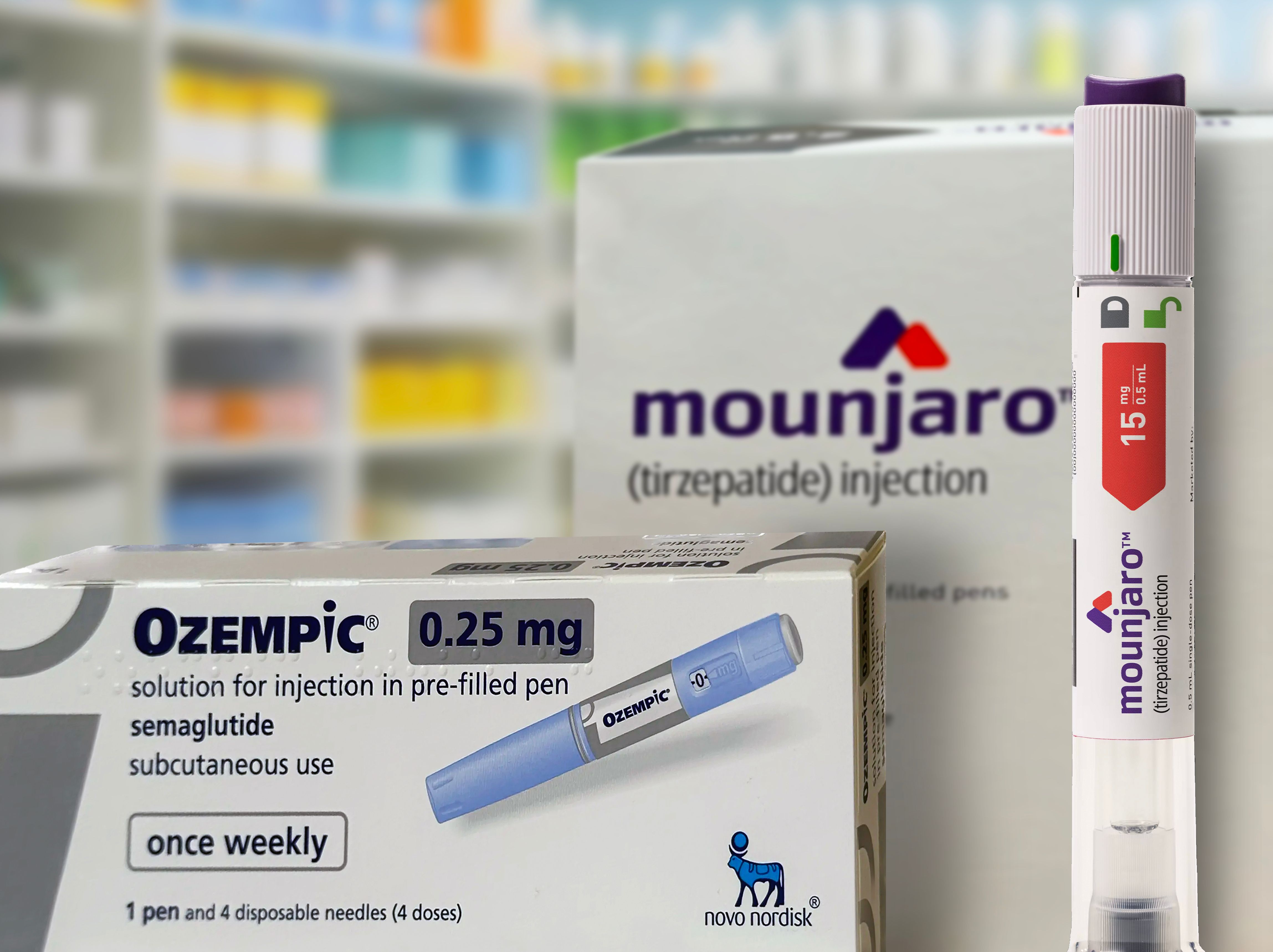
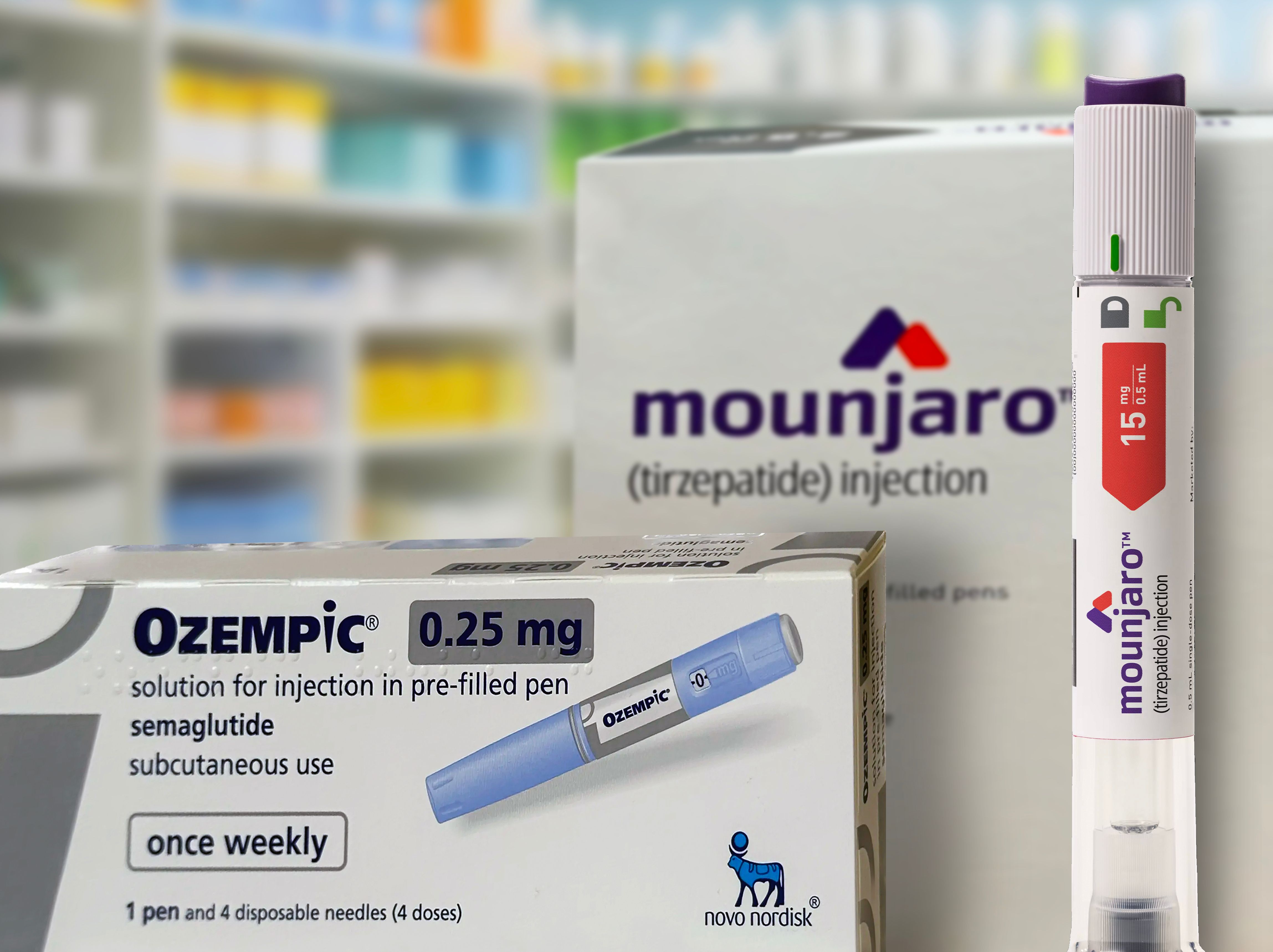
Novo Nordisk filed a motion for a preliminary injunction on Friday, Aug. 14, 2026, in the U.S. District Court for the District of New Jersey, asking a judge to halt Eli Lilly's current obesity and diabetes advertising while the underlying lawsuit plays out [1]. The court was set to take up the motion three days later, on Aug. 17, 2026 [1].
The motion is an escalation, not a new case. Novo sued Lilly on July 21, 2026, alleging false advertising and unfair competition — including under the federal Lanham Act — over Lilly's direct-to-consumer campaigns for Zepbound and Mounjaro (both tirzepatide) compared with Novo's Wegovy and Ozempic (both semaglutide) [1][3]. Novo says it sent a cease-and-desist request first and that Lilly declined to pull or meaningfully correct the ads [2]. Novo's suit seeks a permanent injunction requiring Lilly to withdraw the campaigns and run corrective advertising [3].
What the ads say, and what Novo disputes
At the center is dosing. According to Pharmacy Times, one campaign compares Zepbound at its 10 mg and 15 mg doses against Wegovy at 1.7 mg and 2.4 mg, without mentioning the 7.2 mg injectable Wegovy dose the FDA approved in March 2026 [2]. A second compares Mounjaro 15 mg against Ozempic 1 mg, omitting the 2 mg maintenance dose approved more than four years ago [2]. Trade coverage of Novo's filing describes a TV and social campaign stating patients on Lilly's drug lose 50 pounds on average versus 33 pounds on Wegovy 2.4 mg [1].
Lilly's comparative claims rest on SURMOUNT-5, the first head-to-head trial of the two molecules, in which tirzepatide produced about 20.2% mean weight loss versus 13.7% for semaglutide over 72 weeks in 751 adults with obesity or overweight [2]. That trial used the semaglutide doses available when it was designed — the same 1.7 mg and 2.4 mg doses Novo now says the ads should no longer feature [2].
Novo points to its STEP UP trial, a 72-week study of 1,407 adults with obesity in which Wegovy 7.2 mg produced about 18.8% mean weight reduction, roughly 47 pounds, versus 3.9% with placebo [2]. STEP UP was placebo-controlled, not a head-to-head comparison against tirzepatide, and no trial has yet pitted the highest approved doses of the two drugs against each other [2].
Novo says Lilly's ads rely on "outdated studies" and give a false impression that Lilly's drugs are "vastly superior," and that it is "seeking a court order on an expedited basis to ensure people can access the accurate, complete picture of the treatments available to them today" [3]. Its injunction papers argue the campaigns have "planted false beliefs in consumers' minds that will persist long after the ads stop running" [1]. Lilly denies wrongdoing and says it will defend the case vigorously, standing "firmly behind" advertising it calls "truthful," "transparent," and "grounded in the most direct scientific evidence available" [2][3].
Sources differ on the state of play: a Pharmacy Times piece published Aug. 24 described Novo as having "signaled" it would seek a preliminary injunction rather than reporting a filing [2], while the Aug. 14 motion is reported by trade coverage citing Law360 [1].
Why it matters for patients
The practical issue is that ads compress dose-dependent results into one headline number. A percentage or pound figure reflects a specific dose in a specific trial population, and titration and tolerability shape what any individual experiences [2]. One clinician quoted by Pharmacy Times said a fair comparison requires matching doses, or at least each drug's own top approved dose, because "almost any GLP-1 can be made to look superior or inferior depending on which rung of its own ladder you compare it against" [2]. Because no head-to-head study has compared the highest doses, she said choices between the two currently turn on individual factors such as gastrointestinal tolerability, dosing schedule, cost and insurance coverage, and other health conditions [2].
The case also arrives amid broader federal scrutiny of GLP-1 promotion: the FDA's Office of Prescription Drug Promotion has sent warning letters to Lilly, Novo Nordisk and Hims & Hers over marketing materials [2].
What happens next
- Aug. 17, 2026: the court was scheduled to consider Novo's preliminary-injunction motion; as of the reports available, no ruling had been announced [1].
- Underlying case: the Lanham Act suit filed July 21, 2026, continues in the District of New Jersey, with no trial date set [1].
A hearing date is not a decision, and a preliminary ruling would not resolve the false-advertising claims. Neither company's allegations have been proven [1]. Nothing in the filings alleges either drug is unsafe or ineffective [1].
Images from the sources
Sources
Semaglutides.org is for information only and is not medical advice. Always talk to a licensed healthcare provider about your own care. Some links to telehealth services are affiliate links, labeled where they appear.