Penn study links GLP-1 use to higher male pattern hair loss risk
A Penn Medicine analysis of health records found diabetes patients on GLP-1 drugs reported more hair loss than those on other diabetes medicines, though the study cannot prove the drugs caused it.
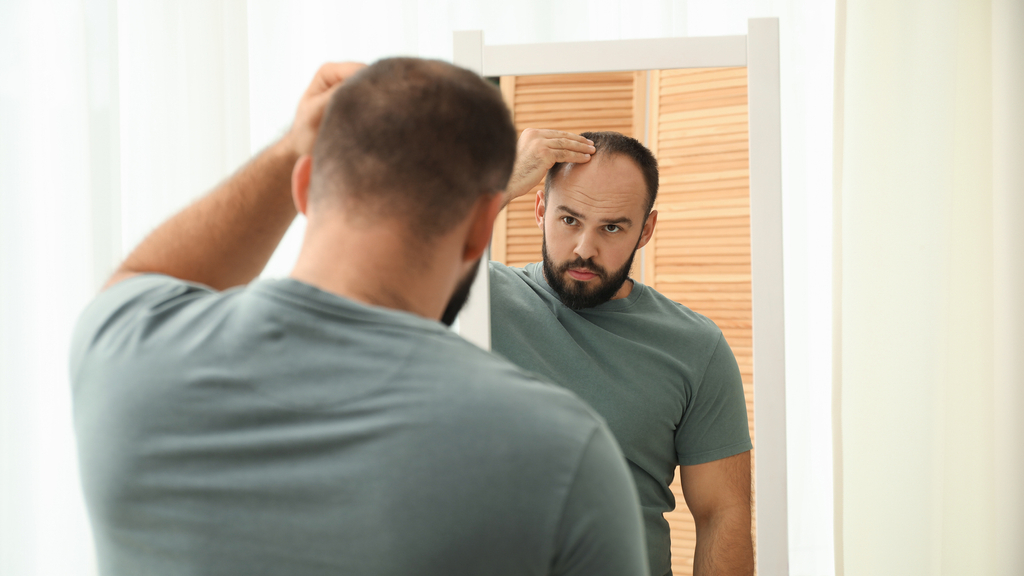
Researchers at Penn Medicine reported that people with type 2 diabetes who took GLP-1 receptor agonists were more likely to report hair loss than patients treated with two other classes of diabetes drugs. The findings, published in The BMJ, come from an observational review of electronic health records and add new detail to earlier reports that hair shedding can follow GLP-1 use [1][2].
The team, led by biostatistics professor Yong Chen and dermatology chair George Cotsarelis, looked at adults with type 2 diabetes treated at the University of Pennsylvania Health System from January 2019 through September 2024, focusing on patients starting a new diabetes medicine [1]. One comparison covered more than 27,000 patients taking a GLP-1 versus an SGLT2 inhibitor, such as Jardiance; a second covered more than 23,000 patients taking a GLP-1 versus a DPP-4 inhibitor, such as Januvia [1]. A separate account of the study put the total sample at 50,000 adults [2]. Patients were tracked for up to five years for any report of head hair loss [1].
GLP-1 users were 37% more likely to report hair loss than SGLT2 inhibitor users, and 68% more likely than DPP-4 inhibitor users [1][2]. Penn Medicine said the pattern held "across age and sex," meaning the increased risk was not limited to men, even though androgenetic alopecia — the medical term for pattern hair loss — is often described as a male condition [1].
The researchers stopped short of saying the drugs directly cause hair loss. "Weight loss is a known cause of hair shedding so GLP-1 therapy likely causes hair loss because patients on the drugs lose weight," Cotsarelis said, adding that a separate biological mechanism has not been ruled out [1]. Chen said clinical trials for GLP-1 drugs were not designed to track hair loss, so the anecdotal reports doctors had heard had not been tested at a population level until now [1]. Hair loss is not currently listed as an official side effect on FDA labeling for these drugs, according to the Cleveland Clinic, as cited by PhillyVoice [2].
Why it matters for patients
The study looked at people with type 2 diabetes, not specifically at people taking GLP-1s such as semaglutide or tirzepatide for weight loss alone, so it is not yet known whether the same pattern holds for that group. Because the drugs used in the diabetes comparison include GLP-1 medicines like Ozempic, the same active ingredients are also sold as Wegovy and Rybelsus for semaglutide, and as Mounjaro and Zepbound for tirzepatide, though the study itself did not separately analyze weight-loss-only prescriptions [2].
The finding does not prove the medicine itself is the cause. Rapid weight loss on its own is a known trigger for temporary hair shedding, and researchers say that effect could explain some or all of what they observed [1]. Because the study is observational and drawn from one health system's records, it cannot rule out other explanations, and it does not establish how common or severe the hair loss was for affected patients [1].
For people already taking or considering a GLP-1 medicine, the study adds documented evidence to a side effect that had mostly been anecdotal, but it does not change the drugs' approved uses or established benefits for blood sugar control [1][2].
What happens next
Chen said the team hopes future work can identify which patients face the highest risk of hair loss on GLP-1 drugs, which could help doctors have more specific conversations with patients [1]. No timeline for that follow-up research was given in the available materials, and the current findings have not yet been replicated by other research groups.
Images from the sources
Sources
Semaglutides.org is for information only and is not medical advice. Always talk to a licensed healthcare provider about your own care. Some links to telehealth services are affiliate links, labeled where they appear.