Penn's hair loss findings break into mainstream coverage, and its authors push back on the weight-loss explanation
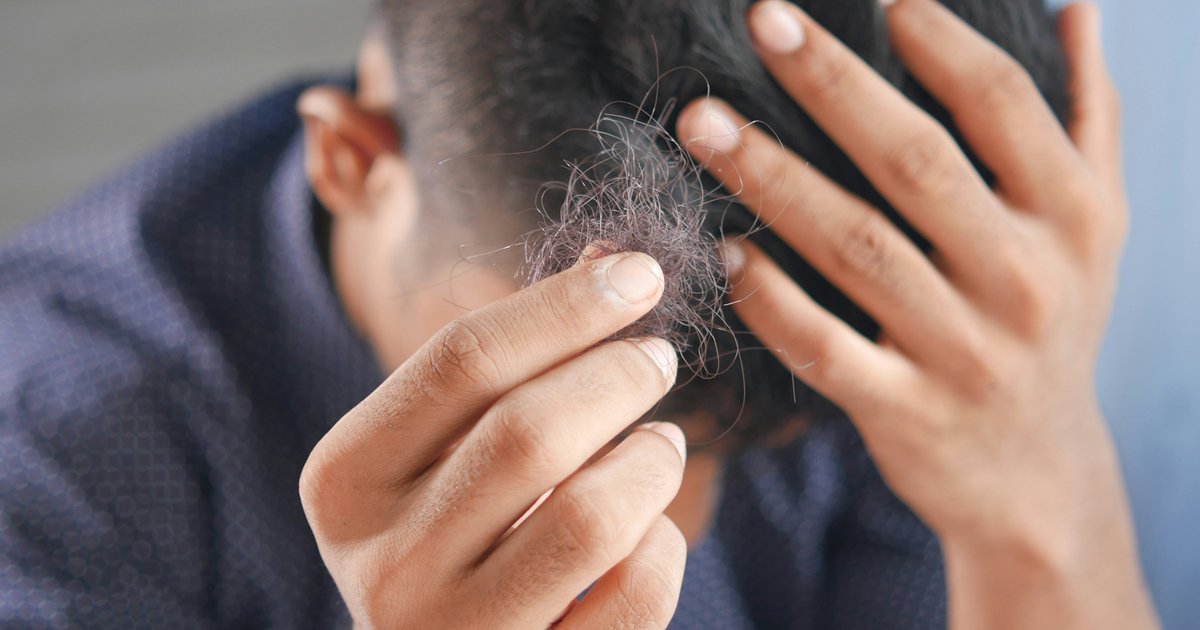
A Penn Medicine study finding higher hair loss rates among GLP-1 users on diabetes drugs is getting new national attention, though the research itself was published back in July.

A study showing that people with type 2 diabetes who take GLP-1 medications report more hair loss than those on two other diabetes drug classes has moved from a medical journal into mainstream news coverage this week [1][2]. The underlying research was published in The BMJ on July 22, 2026, but Penn Medicine's public release of the findings on August 31 set off a wave of national stories through early September [1]. The data have not changed. What is new is how widely the finding is now being read.
The study looked at electronic health records from more than 50,000 adults with type 2 diabetes treated at the University of Pennsylvania Health System between January 2019 and September 2024 [1][2]. Researchers compared patients starting GLP-1 receptor agonists, such as Ozempic, against those starting SGLT2 inhibitors, such as Jardiance, or DPP-4 inhibitors, such as Januvia [1]. These three drug classes are typically prescribed at similar points in a patient's diabetes treatment, which is why the researchers chose them for comparison [1].
Patients were followed for up to five years for any report of head hair loss [1]. In the comparison group of more than 27,000 patients, GLP-1 users were 37% more likely to report hair loss than SGLT2 inhibitor users [1][2]. In a separate group of more than 23,000 patients, GLP-1 users were 68% more likely to report hair loss than DPP-4 inhibitor users [1][2]. The researchers said these patterns held up consistently across different ages and sexes [1].
What the researchers think is going on
Senior author Yong Chen, a Penn biostatistics professor, said this is the first study to examine hair loss among GLP-1 users at a large, population-wide level, noting that clinical trials up to this point were not designed to track this particular side effect [1]. Co-author George Cotsarelis, chair of Penn's dermatology department, offered a caveat that has become the center of the story's second act: weight loss itself is a well-established cause of hair shedding, so GLP-1 therapy may cause hair loss simply because patients lose weight on the drugs [1][2]. But Cotsarelis added that there is a chance the drug affects hair through a separate mechanism unrelated to weight loss, and that this possibility needs further study [1][2].
Hair loss is not currently listed by the Food and Drug Administration as an official side effect of GLP-1 drugs, according to the Cleveland Clinic, even though it has circulated as an anecdotal report among patients and doctors for some time [2]. This study is described as the first attempt to measure that anecdotal pattern systematically in real-world patient data [1].
Why it matters for patients
For people with type 2 diabetes weighing which medication to start, this research adds a specific, numeric side-effect comparison that did not previously exist in this form [1]. The size of the increased risk, 37% versus SGLT2 inhibitors and 68% versus DPP-4 inhibitors, gives a clearer sense of scale than anecdotal reports alone [1][2].
What is not yet known is whether the same pattern applies to people taking GLP-1 drugs for weight loss alone, rather than for diabetes, since this study only included diabetes patients [1]. It is also not yet known which patients face the highest individual risk of hair loss, though researchers say identifying specific risk factors is a goal for future work [1]. And whether the effect comes mainly from weight loss itself, or from some other mechanism tied to the drug, remains an open question that the study's own authors say has not been resolved [1][2].
What happens next
The study was funded in part by two National Institutes of Health grants, and its authors have said they hope to pursue further research identifying which patients are most susceptible to hair loss on these drugs [1]. No specific dates for that follow-up work are given in the available materials.
Images from the sources

Sources
Semaglutides.org is for information only and is not medical advice. Always talk to a licensed healthcare provider about your own care. Some links to telehealth services are affiliate links, labeled where they appear.