Reporting details how Lilly and Novo market weight-loss drugs in China
A Reuters feature describes how Lilly, Novo Nordisk, Pfizer and Innovent build demand for GLP-1 weight-loss drugs in China, where direct-to-consumer prescription ads are banned [2].
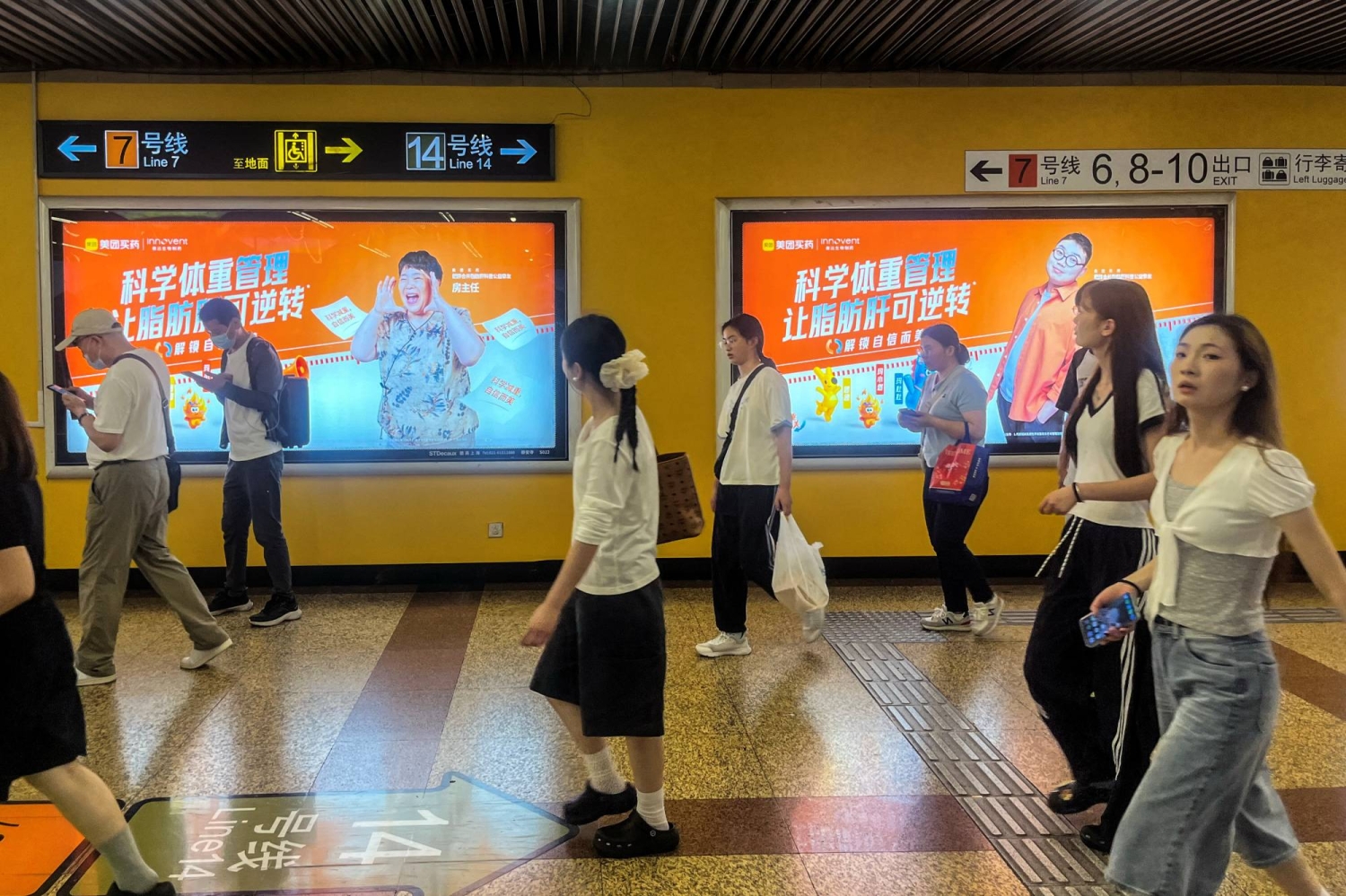
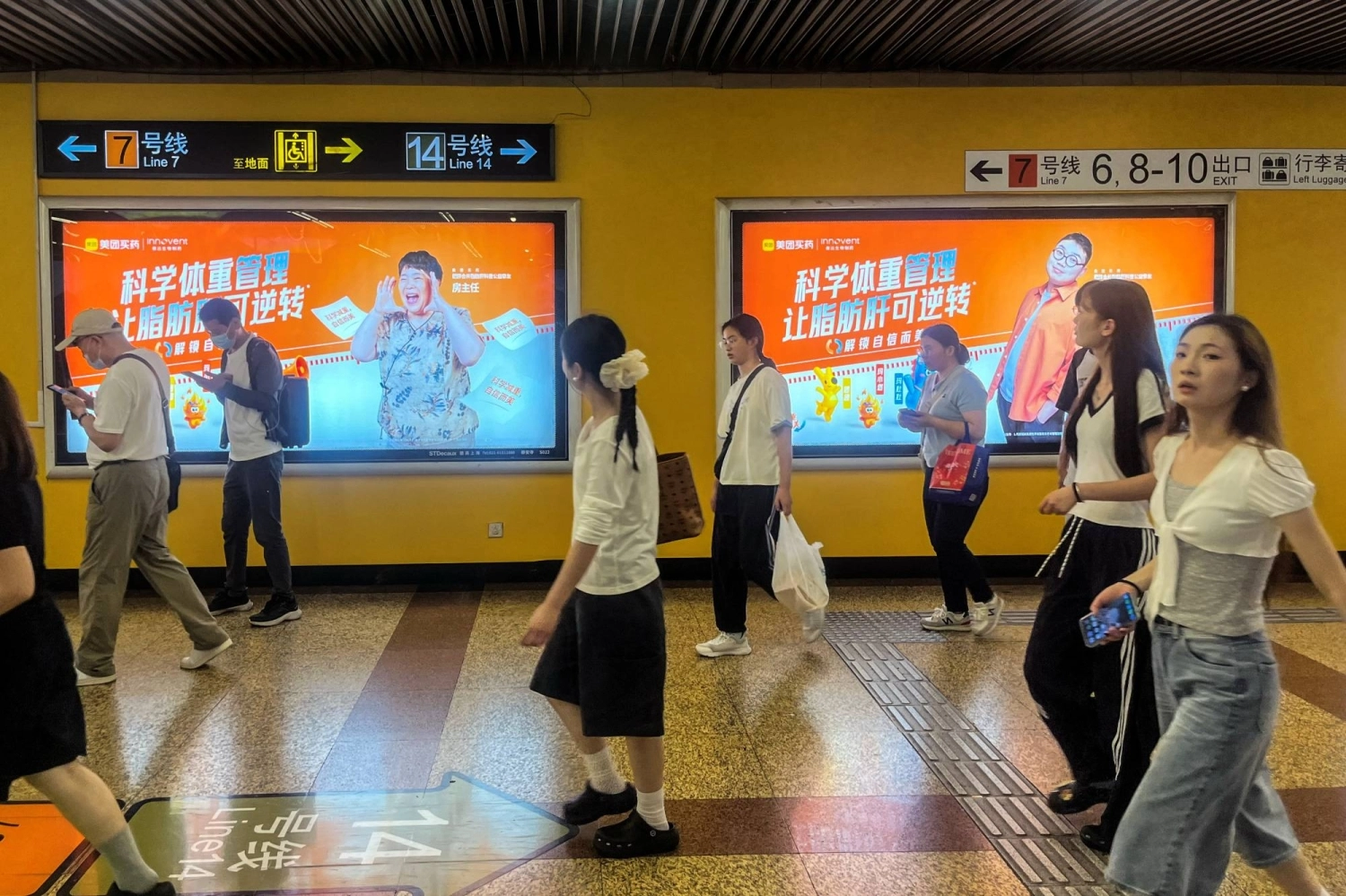
A Reuters feature by Andrew Silver, published by The Japan Times on Aug. 24, 2026 and carried by Kyodo News on Aug. 26, documents how drugmakers are marketing obesity treatment in China without naming their products. The report describes subway banners, gym partnerships, soccer-stadium spots and social-media posts used to raise "obesity awareness" in a market where regulators bar direct-to-consumer advertising of prescription medicines [1][2].
China does not allow drug companies to advertise prescription drugs directly to the public. Companies can share information about disease risks and suggest that people talk to a doctor, but campaigns cannot mention product names, according to the reporting [2]. China's National Health Commission has said the share of the population that is overweight or obese could top 65% by 2030 [1][2].
What the reporting found
At a metro station in Shanghai's Jingan district, a banner carrying an Eli Lilly logo told commuters: "Don't forget to pay attention to Dad's snoring and promptly visit a respiratory department or sleep center." Snoring is a common symptom of sleep apnea, which is strongly linked to excess weight, and Lilly's tirzepatide (Mounjaro) has been shown in clinical trials to ease the condition [2].
In the same station, ads from Innovent Biologics and e-commerce company Meituan said "scientific weight management" can reverse fatty liver disease. At a July soccer match in Suzhou, a stadium ad repeated "Innovent Biologics weight loss amazing!" according to a Weibo stream [2]. Gym chain Supermonkey promoted a partnership with Pfizer on Xiaohongshu for a "healthy weight loss party" in June and July; at one Shanghai event a Pfizer employee spoke to attendees before a trainer led a weightlifting session, per a Pfizer post that was later deleted [2].
Novo Nordisk launched the first once-weekly GLP-1 for weight management in China in late 2024, followed by Lilly in January 2025 and Innovent in July 2025; the first prescriptions for Pfizer's Xianweiying were issued in April [2]. Lilly led once-weekly GLP-1 sales on Alibaba's Tmall and JD.com in the second quarter, according to Jefferies [1][2]. J.P. Morgan's head of China healthcare research, Yang Huang, estimated sales of GLP-1 weight-management therapies could reach 30 billion yuan ($4 billion) within five to seven years, up from an estimated 3 billion to 4 billion yuan now [2].
Hospital staff in Shanghai and Guangzhou told Reuters that social media and word of mouth have led patients to request specific drugs by name. Endocrinologist Zhao Xiaolong of the Shanghai Public Health Clinical Center said patients first asked for Novo's semaglutide (Wegovy), and more recently for Lilly's tirzepatide (Mounjaro) and Innovent's mazdutide (Xinermei) [2].
Some experts said the campaigns may push against the rules. Chen Zhenggang, a partner at DeHeng Law Offices in Beijing, said the Innovent–Meituan subway billboards could lead consumers to associate them with a specific prescription drug; the billboards did not name Xinermei or mazdutide but featured a mascot called "Madudu" [2]. Jia Hepeng, a science communication professor at Soochow University, said he rarely sees pharmaceutical companies promoting prescription drugs for conditions such as hypertension or tumors in public settings, even indirectly [2].
Lilly said its educational activities do not promote any specific medicines and are "consistent" with China's health strategies. Pfizer, Innovent, Meituan and China's market regulator declined to comment or did not respond [2]. Earlier this year, Lilly paused a local obesity awareness campaign in India after the country's drug regulator said the campaign coincided with Mounjaro's Indian launch and could potentially promote the drug to consumers [2].
Why it matters for patients
This is a market-conduct story, not a regulatory action, and nothing in it changes how these drugs are approved or prescribed in the United States. Still, it shows how the same companies that sell semaglutide and tirzepatide here are working to expand demand abroad under different advertising rules, and how patients in China are increasingly arriving at appointments asking for a named drug [2].
The reporting also gives a sense of scale outside the US market: four competing once-weekly injections launched in China within about 18 months, plus a local option, mazdutide, that is not sold in the United States [2]. What that competition means for US prices, supply or insurance coverage is not addressed in these sources. Neither source discusses Chinese national reimbursement decisions or US list prices, so any link between the two is not established here.
What happens next
Novo says it is changing tactics. Cai Yan, who became Novo's Greater China president in March, told Reuters that doctors described the company's communications as weak next to rivals who talk about drug benefits more directly. She said Novo will reach patients through more types of media and use plainer language [2]. Last month, Novo and state broadcaster CCTV staged a Beijing street health exhibit featuring group dancing; text at the event said some GLP-1 therapies have been validated in multiple large-scale clinical studies [2]. No enforcement action by Chinese regulators is reported.
Images from the sources
Sources
Semaglutides.org is for information only and is not medical advice. Always talk to a licensed healthcare provider about your own care. Some links to telehealth services are affiliate links, labeled where they appear.