UK Yellow Card figures show tirzepatide with the largest share of GLP-1 adverse reaction reports
UK regulators reported more than 150,000 side-effect reports for GLP-1 weight-loss drugs, with tirzepatide (Mounjaro) linked to the most reports and 98 deaths, but officials say the raw numbers do not prove the drugs caused those deaths.
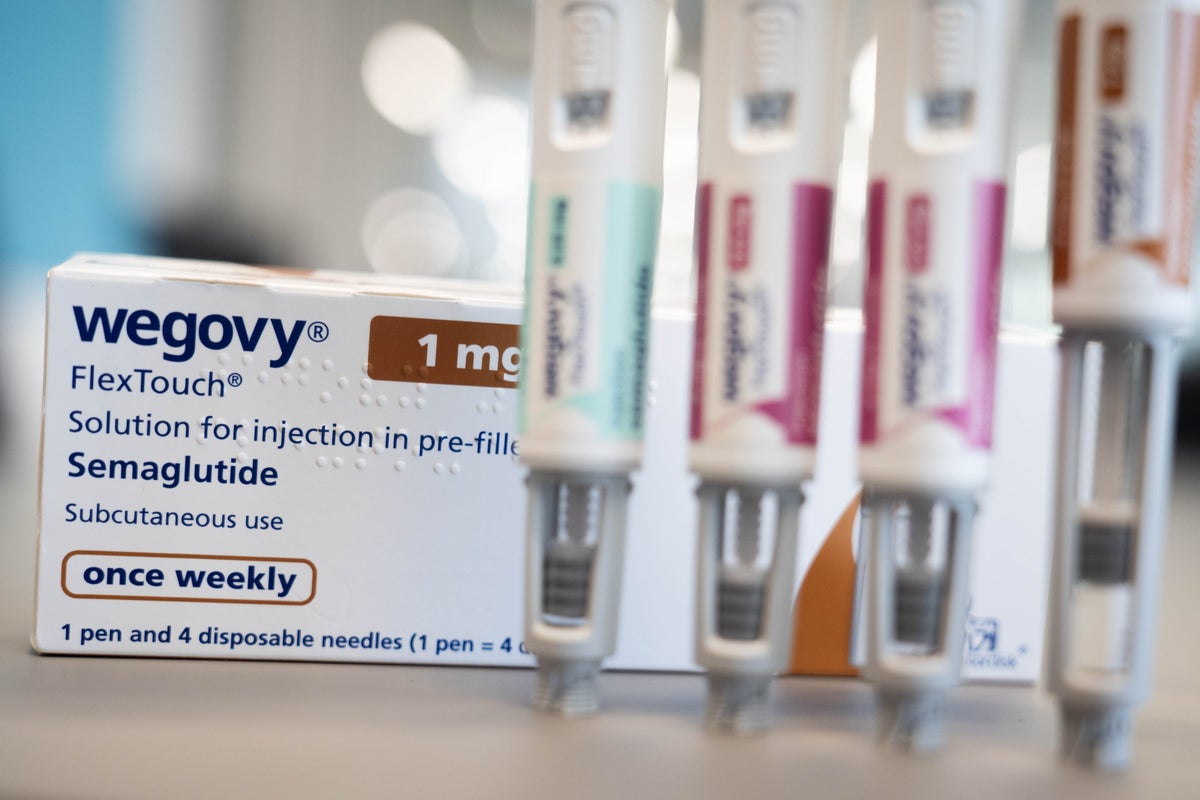
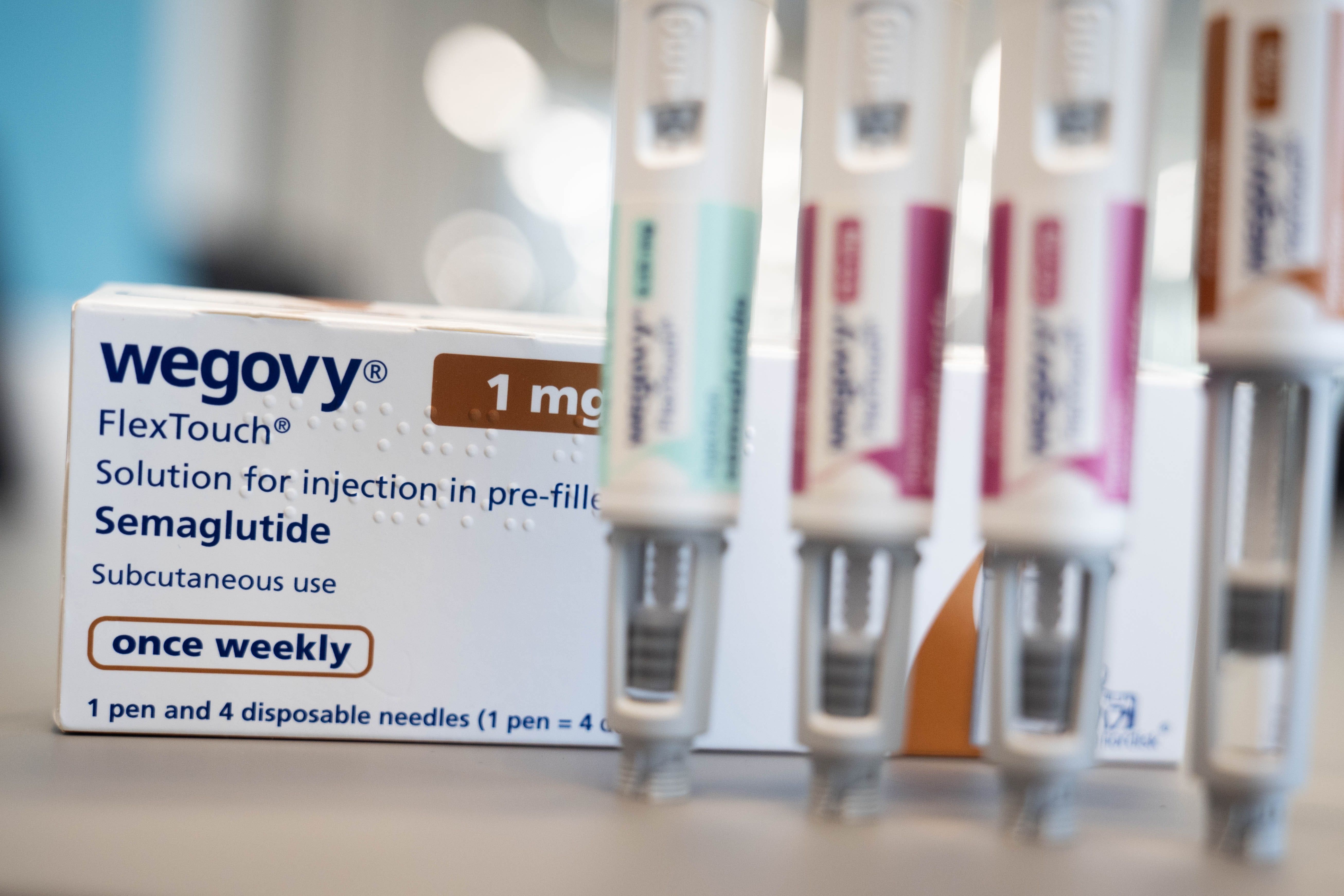
The UK's Medicines and Healthcare products Regulatory Agency (MHRA) has published new Yellow Card data showing tirzepatide, sold in the UK as Mounjaro, has the largest number of adverse reaction reports among GLP-1 medicines, with more than 100,000 reports of reactions and side effects and 98 reports of fatal outcomes [1]. Semaglutide, sold in the UK as Wegovy, had just under 50,000 reports and 37 fatal outcomes, while liraglutide, sold as Saxenda, had close to 4,000 reports and 18 fatal outcomes [1].
Broken down further, the figures show 100,810 adverse reaction reports and 10,434 serious reports for tirzepatide, compared with 44,073 adverse reaction reports and 4,892 serious reports for semaglutide, and 3,021 adverse reaction reports and 734 serious reports for liraglutide [1]. Across all three drugs, patients and clinicians have filed roughly 150,000 reports through the Yellow Card scheme, the UK's voluntary system for flagging suspected medicine side effects [1].
Most reports involve digestive problems. For semaglutide, 28,884 reports described gastrointestinal reactions and more than 5,000 involved the nervous system [1]. For tirzepatide, 65,024 reports were gastrointestinal and 13,964 involved the nervous system, with more than 2,000 reports of psychiatric disorders [1]. Liraglutide had 1,461 gastrointestinal reports [1].
The MHRA was clear that these numbers do not show the drugs caused the reported deaths or reactions. Reports can come from patients, relatives, or doctors, and each one carries the caveat that the side effect might stem from something else entirely, such as a stomach virus or an undiagnosed condition [1]. A single patient can also generate more than one report, so the totals do not represent a count of distinct people [1]. The agency also noted that millions of GLP-1 prescriptions have been dispensed in the UK, and that these reports represent only a small fraction of that use, with reporting volume shaped by both how widely a drug is prescribed and how much public attention it draws [1].
That last point matters for comparing the two leading drugs. In the UK, Mounjaro is the dominant weight-loss brand, unlike in the United States, where Ozempic and Wegovy have historically had wider use for weight loss [1]. Because the drugs are not prescribed to the same degree in each market, the report totals for tirzepatide and semaglutide are not directly comparable as a measure of relative risk [1].
An MHRA spokesperson said the safety of GLP-1 medicines is under continual review, including new spontaneous reports and scientific research, and that any safety updates would be passed on to patients and clinicians promptly [1]. The agency said that, based on current evidence, the benefits of GLP-1 receptor agonists outweigh the potential risks when used as authorized [1]. Novo Nordisk, which makes semaglutide, said it cares deeply about patient safety and that medicines for chronic conditions can affect people differently, which is why they should be used under a healthcare professional's supervision [1]. Eli Lilly, which makes tirzepatide, said it takes safety reports seriously, actively monitors and evaluates its medicines, and encourages patients to report side effects through the Yellow Card scheme and to consult a doctor about any symptoms [1].
Why it matters for patients
The Yellow Card system is a UK reporting tool, not a US one, but the same drugs are sold in America under different brand names: tirzepatide as Mounjaro and Zepbound, and semaglutide as Ozempic, Wegovy, and Rybelsus. The figures show these medicines carry a range of possible side effects, from common digestive complaints to less frequent reports involving the nervous system or psychiatric symptoms, and that fatal outcomes have been reported alongside their use [1]. But a report of a side effect, even a fatal one, is not the same as proof the drug caused it. The MHRA's own caution—that report counts reflect usage levels and public attention as much as underlying risk—means readers should be wary of treating one drug as simply
Images from the sources
Sources
Semaglutides.org is for information only and is not medical advice. Always talk to a licensed healthcare provider about your own care. Some links to telehealth services are affiliate links, labeled where they appear.