More than 20 drugmakers have announced US drug-pricing agreements
Reuters counts more than 20 drugmakers with most-favored-nation pricing deals, including the Novo Nordisk and Eli Lilly agreements that set $350 and $299 monthly cash prices for GLP-1s.
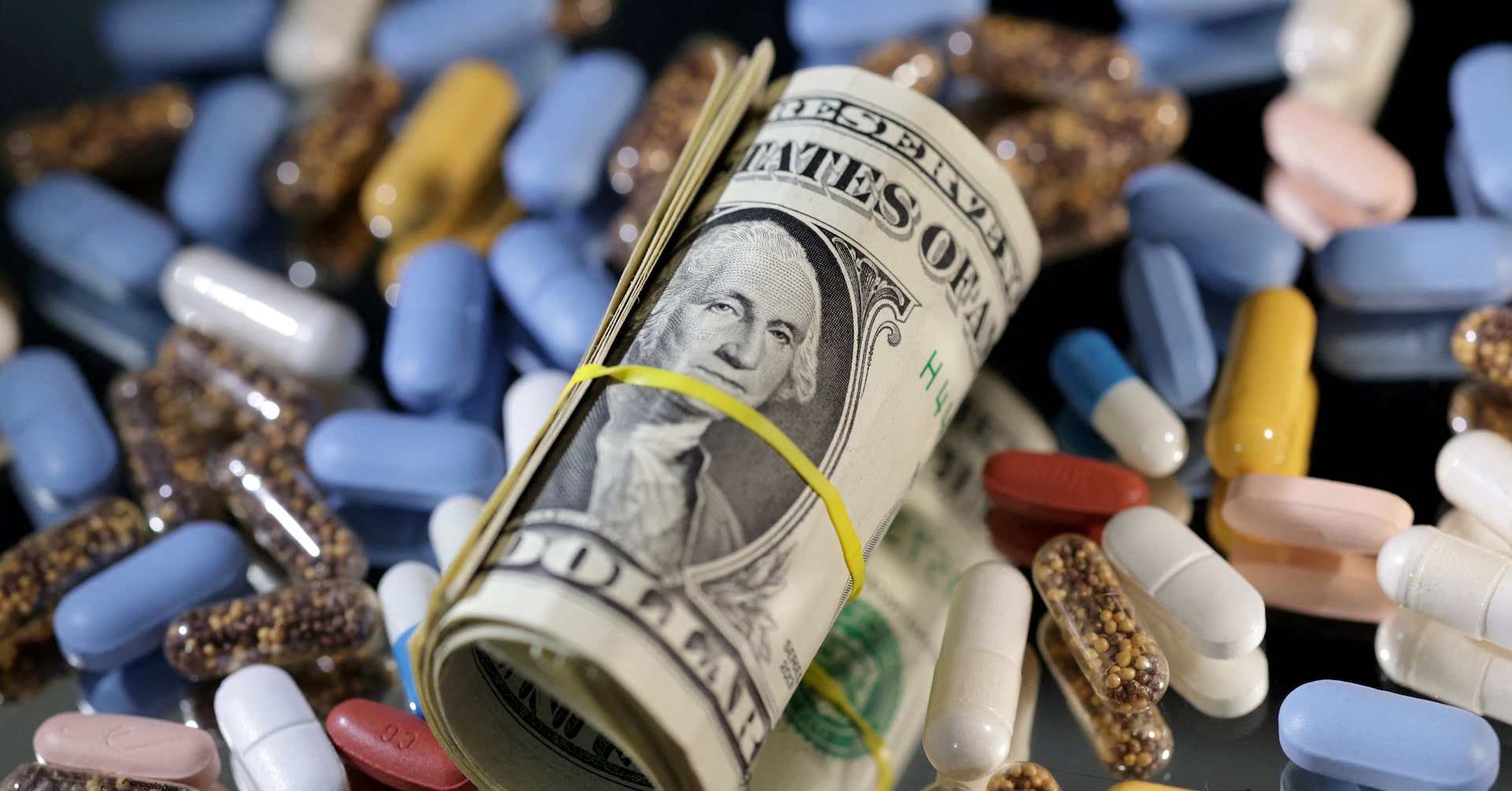
More than 20 pharmaceutical companies have now publicly announced US drug-pricing agreements with the Trump administration, according to a Reuters tally published September 1, 2026 [1]. A second wave announced in late August added nine companies, many of them smaller biotechs, that agreed to sell drugs to state Medicaid programs at "most-favoured-nation" prices — meaning prices tied to what other wealthy countries pay [1].
The deals follow a first wave struck with 17 large drugmakers starting in 2025, which included most-favored-nation pricing commitments, sales through the government's TrumpRx.gov platform, and US investment pledges in exchange for relief from threatened pharmaceutical tariffs [1]. Reuters notes that US prescription prices are often nearly three times higher than those paid in other developed countries [1]. The late-August wave was reported to include roughly $19.6 billion in additional US manufacturing commitments.
What the GLP-1 deals actually set
Two of the agreements directly affect people taking or considering GLP-1 medicines.
Novo Nordisk agreed in November to cut prices for its semaglutide products, including Wegovy and Ozempic, through Medicare, Medicaid and a direct-to-patient cash channel [1]. Under that deal, Ozempic and Wegovy drop from $1,000 and $1,350 per month, respectively, to $350 per month when purchased through TrumpRx [1]. Novo also agreed to offer insulins including NovoLog and Tresiba at $35 per month through the platform [1].
Eli Lilly agreed in November to offer Medicare beneficiaries its obesity medicines Zepbound (tirzepatide) and orforglipron — branded Foundayo — at no more than $50 per month [1]. For self-pay patients through LillyDirect, the Zepbound multidose pen is priced at $299 per month at the lowest dose, with higher doses priced up to $449, while Foundayo starts at $149 per month at its lowest dose [1]. Lilly also agreed to sell the diabetes drug Trulicity at $389 per month through TrumpRx [1]. Foundayo, Lilly's weight-loss pill, won US approval in April 2026 [1].
Other deals cover non-GLP-1 categories: Pfizer's discounts of up to 85% on certain brands through TrumpRx, AstraZeneca discounts up to 80%, Merck's diabetes drugs Januvia and Janumet at about 70% off list, Amgen's Repatha at $239 a month, and Regeneron's Praluent cut to $225 from $537 [1]. Some terms remain undisclosed — Johnson & Johnson's January agreement did not specify revised prices or which medicines are covered [1].
The newer, smaller-company deals are mostly Medicaid-focused. Astellas, Kyowa Kirin, CSL, BridgeBio, Sun Pharma, UCB and BeOne agreed to discounted Medicaid pricing in exchange for tariff relief or protection from future pricing mandates; CSL also pledged $1.5 billion in Illinois manufacturing and more than 1,100 jobs [1]. Whether any of these smaller agreements touch GLP-1 products is not stated in the Reuters tally.
Why it matters for patients
The headline numbers are cash prices and government-program prices, not what most commercially insured people pay at the pharmacy counter. For someone paying out of pocket, the $350 semaglutide and $299 tirzepatide figures are concrete reference points against list prices of $1,000 to $1,350 a month [1]. For people on Medicare, the $50-per-month caps for Zepbound and Foundayo are a separate commitment [1].
These cash and government prices sit alongside a broader cost picture that is still climbing. PwC's Behind the Numbers analysis projects a 9% medical cost trend in 2027, the fifth straight year of elevated healthcare inflation, and more than 85% of surveyed health plan actuaries said pharmacy costs are rising faster than overall medical costs [2]. PwC points to GLP-1 utilization as a central driver, with prescription volume rising year over year and broader indications — obesity, cardiovascular disease, chronic kidney disease, sleep apnea and MASH — expanding the eligible population [2]. New oral formulations could widen adoption further by removing injection barriers [2].
That tension matters: lower list-adjacent prices do not automatically mean employers and plans will broaden coverage, and some employers are scaling back GLP-1 benefits [2].
What happens next
TrumpRx.gov was slated to launch in early 2026, according to a senior administration official cited by Reuters [1]. Reuters reported in June 2026 that small and mid-size companies had been slow to sign on, a gap the late-August wave partly closed [1]. Whether more GLP-1-related agreements follow, and how quickly each announced price takes effect, is not specified in the sources.
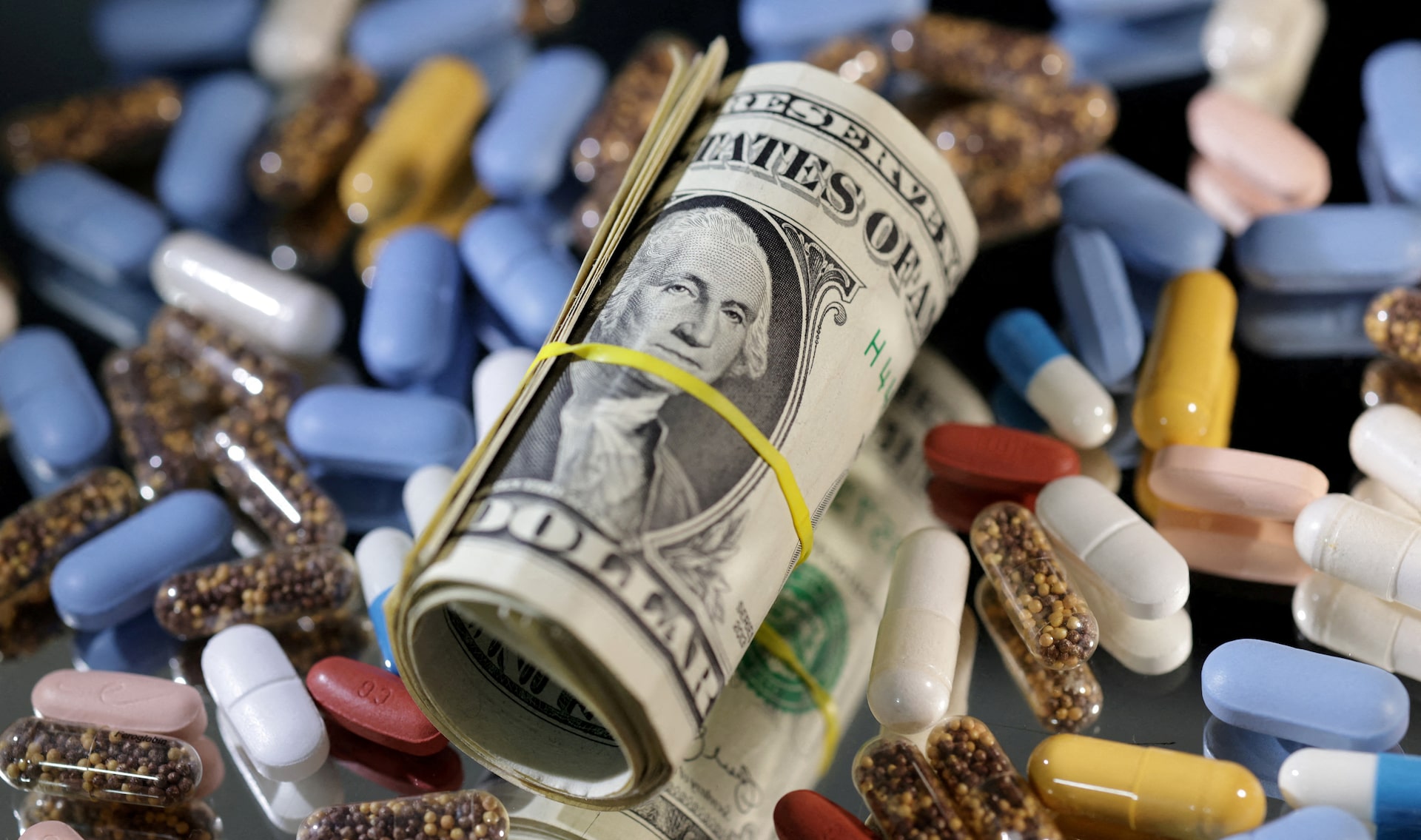
Images from the sources
Sources
Semaglutides.org is for information only and is not medical advice. Always talk to a licensed healthcare provider about your own care. Some links to telehealth services are affiliate links, labeled where they appear.