Brazil and Paraguay sign a cross-border agreement against counterfeit weight-loss drugs
Brazil and Paraguay signed a five-year deal to share information on smuggled weight-loss drugs, after seizures of counterfeit injectable pens more than doubled in Brazil this year.
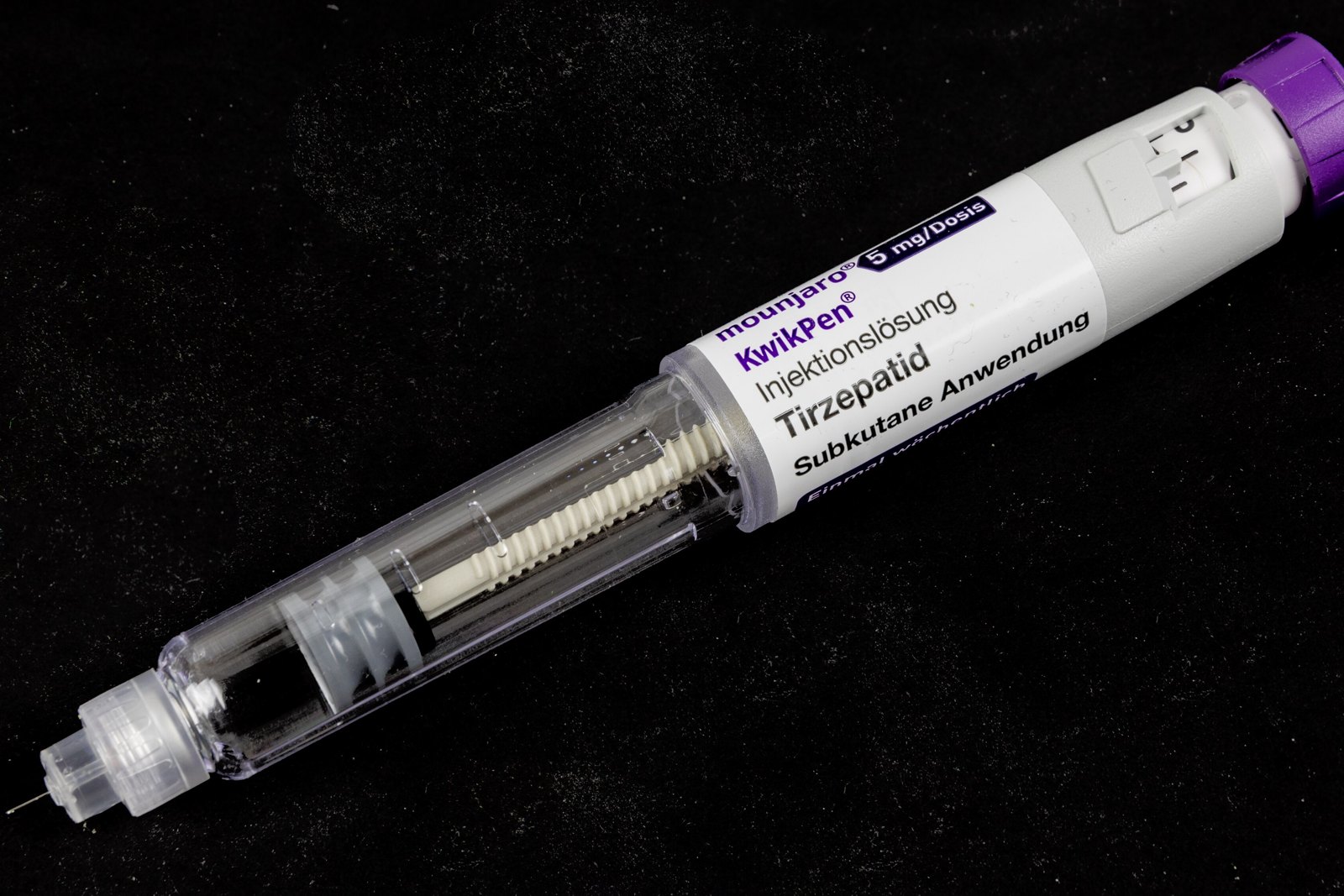
Brazil's health regulator, Anvisa, and Paraguay's health regulator, Dinavisa, signed an agreement on information sharing aimed at stopping the smuggling and counterfeiting of medicines, cosmetics, food and medical devices, with weight-loss injectable pens named as a central concern [1]. The five-year agreement focuses on the border area around the International Friendship Bridge between Foz do Iguaçu, Brazil, and Ciudad del Este, Paraguay, a known crossing point for illegal shipments [1].
The deal follows an early-August enforcement operation that led to the arrest of five people in Foz do Iguaçu and two in Ciudad del Este, plus more than 100 court orders for searches, seizures and arrests across several Brazilian states, including Paraná, the Federal District, Goiás, Paraíba, Acre and Minas Gerais [1]. Authorities said the network was trafficking counterfeit weight-loss drugs alongside anabolic steroids [1].
The scale of the problem has grown quickly. A Federal Police survey found that through June 2026, Brazil had already seized 165,589 weight-loss products, including pens, ampoules and vials — more than double the 60,865 units seized in all of 2025, a 172% increase [1]. Separate customs data cited by Reuters put first-half 2026 seizures of pens, vials and other products containing semaglutide and tirzepatide at more than 76,000 units, nearly three times the total for all of 2025 [2]. Reuters also reported that compounded and smuggled products make up about 51% of Brazil's estimated $7 billion weight-loss drug market [2].
Smugglers have hidden the drugs in shoe soles, vehicle compartments and even jars of dulce de leche, a caramelized milk spread; in April, agents searching a tourist bus found hundreds of vials of tirzepatide concealed inside the jars [2]. The price gap helps explain demand: a Paraguayan product marketed as tirzepatide has sold for about $75 for a six-week supply, compared with hundreds of dollars for a legitimate supply of Mounjaro or Wegovy [2]. Brazilian authorities have linked weight-loss products to 83 deaths and more than 3,600 health complications since 2018, though those figures cover a range of products and circumstances and do not mean every case involved smuggled medicine [2].
Why it matters for patients
For US readers, the direct relevance is limited — this agreement covers Brazilian and Paraguayan regulators, not the FDA or US pharmacies. But it illustrates a pattern seen wherever GLP-1 demand outpaces official supply: when a product never passes through a regulated pharmacy channel, there is no way to verify its origin, dose, sterility or storage history [1]. Doctors in Brazil have described patients hospitalized after using unauthorized products purchased across the border, including one who needed intensive care after using a product sold as tirzepatide and another who developed severe gastrointestinal symptoms after increasing the dose of an unregulated product [2]. Genuine tirzepatide and semaglutide products already carry risks, including acute pancreatitis, so incorrect dosing or unknown contents from an unauthorized product adds a further layer of uncertainty [2]. The agreement itself does not guarantee joint operations; it sets up a framework for the two agencies to notify each other and share information before mounting specific actions, and it does not create legally binding obligations [1].
What happens next
The memorandum is valid for five years from its signing on August 20, 2026, but implementation depends on specific work plans agreed between Anvisa and Dinavisa and on each agency's available staff and funding [1]. Brazil has separately moved to expand the legal supply of weight-loss treatments, with Anvisa approving additional semaglutide products, including a domestic option called Ozivy intended to widen access to approved treatment [2]. It is not yet known whether the new information-sharing arrangement will lead to further joint operations at the border comparable to the August raids [1].
Images from the sources
Sources
Semaglutides.org is for information only and is not medical advice. Always talk to a licensed healthcare provider about your own care. Some links to telehealth services are affiliate links, labeled where they appear.