Seventh Circuit set to hear Lilly's retatrutide classification appeal on September 24
A federal appeals court hears argument September 24 on whether Lilly's experimental obesity drug retatrutide counts as a biologic — a label that would block compounded copies and extend market exclusivity.
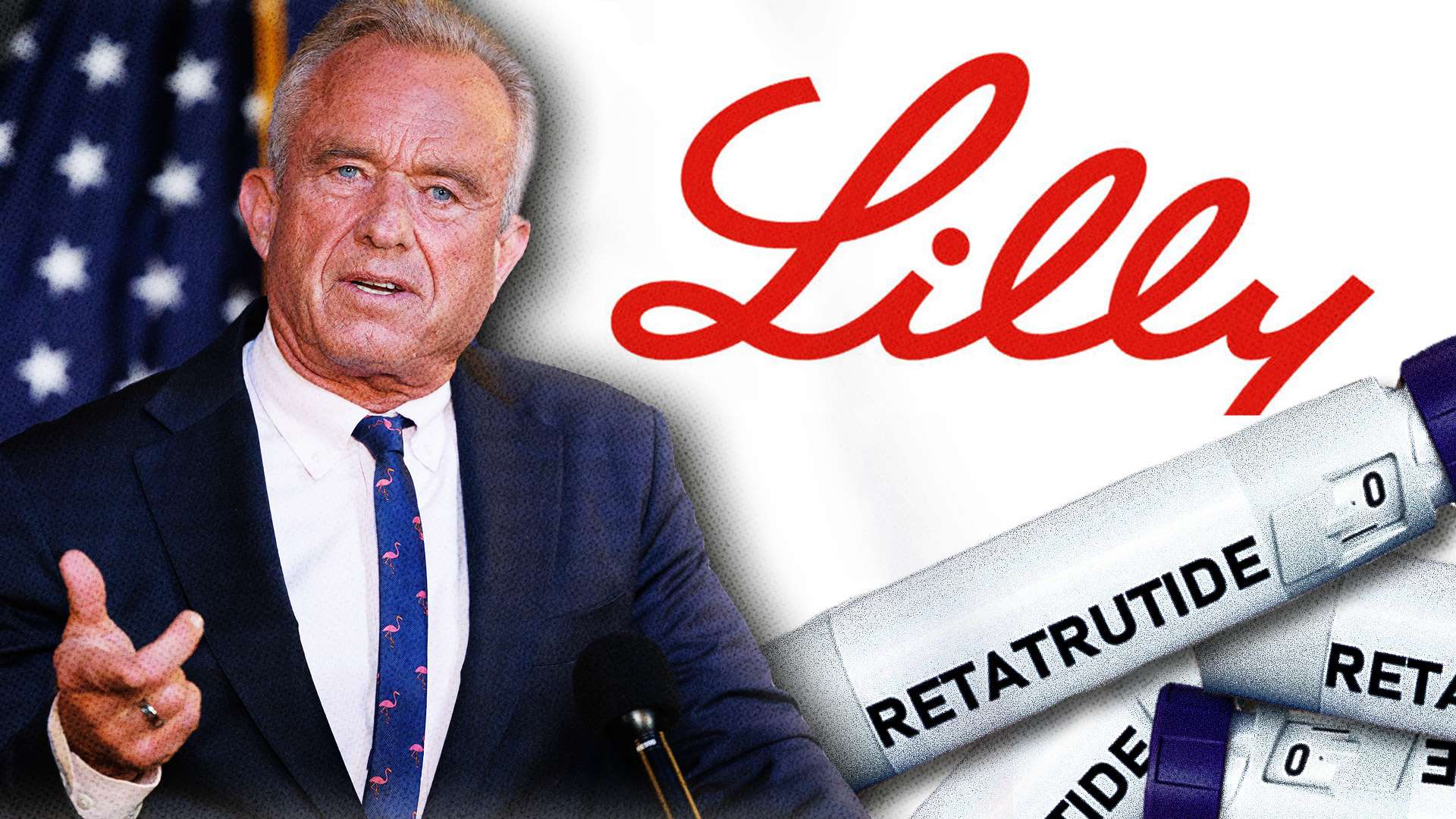
The Seventh Circuit Court of Appeals is scheduled to hear oral argument September 24 in Eli Lilly and Company v. Robert F. Kennedy, Jr., a case over whether Lilly's experimental triple-agonist obesity drug retatrutide should be regulated as a biologic product or as a conventional drug [1]. The distinction sounds technical, but it determines how long the drug is shielded from competition and whether compounding pharmacies could ever legally make copies of it [1].
The two-amino-acid fight
FDA defines a protein as "any alpha amino acid polymer with a specific defined sequence that is greater than 40 amino acids in size" [1]. Lilly says retatrutide qualifies: it has 39 alpha amino acids in its backbone, plus a chain of two more amino acids covalently bonded to that backbone, for a total of 41 [1]. In March 2024, FDA disagreed, reasoning that the word alpha modifies all the amino acids in the definition, which would leave retatrutide short of the threshold [1].
Lilly also argued retatrutide could qualify as "analogous" to a protein, a separate category in federal law [1]. It sued in September 2024 [1]. In 2025, Judge Tanya Walton Pratt agreed with FDA that retatrutide is not a protein under the strict definition, but found the agency acted capriciously on the "analogous" question, because applying identical standards to both terms drained "analogous" of meaning [1]. That sent the matter back to FDA, where it stalled [1].
The appeal now turns on a deadline. Federal law gives FDA 60 days to classify a product after receiving a designation request, and if the agency misses the deadline, the product is classified as originally requested [1]. Lilly appealed on February 17, 2026, arguing the clock restarted when the district court vacated FDA's decision and remanded, and that retatrutide should therefore be designated a biologic by default [1]. (The Reason analysis describes the statutory window as 60 days in one passage and as a "90-day clock" in another; the discrepancy is not explained in the source [1].) FDA counters that the 60-day limit applies only to the original designation request, "not when a court vacates a designation decision" [1]. The Outsourcing Facilities Association, a trade group for compounding facilities, backed FDA, called the appeal a "money grab," and argued the appeal is not "properly before the Court" [1].
What's at stake commercially
Biologics get 12 years of statutory exclusivity, compared with five years for new drugs, and their biosimilar competitors face a tougher approval process than conventional generics [1]. Biologics are also not eligible for compounding [1]. One law-firm analysis notes that if retatrutide is ultimately licensed as a biological product under Section 351 of the Public Health Service Act, the compounding exemptions in Sections 503A and 503B would not offer a pathway for copies [2].
The backdrop is the existing compounded GLP-1 market. Novo Nordisk's chief executive recently estimated that 1.5 million U.S. patients are obtaining tirzepatide or semaglutide through compounders [1]. Compounded offerings run roughly $150 to $200 a month, versus self-pay prices of $299 to $449 for the highest doses of brand-name products [1].
Why it matters for patients
Retatrutide is not approved anywhere and cannot legally be sold to patients in the U.S.; access today is limited to Lilly-sponsored clinical trials or, in narrow cases, FDA's expanded access framework [2]. FDA has stated retatrutide "cannot be used in compounding under federal law" [2]. On August 12, 2026, Lilly filed six federal lawsuits against research-use-only sellers, a med spa and a compounding pharmacy, and said it had referred more than 200 entities and individuals to regulators and law enforcement and flagged more than 14,000 websites, ads and listings worldwide [1][2].
In trials, retatrutide produced average weight loss of 28.3 percent over 80 weeks [1]. If the drug reaches the market as a biologic, the classification would mean less price competition and higher prices for longer [1]. If it is classified as a conventional drug, compounded versions could eventually become a question — but only after approval, and the sources do not say how quickly or on what terms.
What happens next
Oral argument is set for September 24 [1]. Lilly plans to submit retatrutide to FDA for approval in early 2027 [1]; a separate analysis puts the filing at 2027 without specifying a quarter [2]. When the Seventh Circuit will rule is not yet known.
Sources
Semaglutides.org is for information only and is not medical advice. Always talk to a licensed healthcare provider about your own care. Some links to telehealth services are affiliate links, labeled where they appear.