California SB 1089 sent to the Governor
California lawmakers sent SB 1089 to the governor on Sept. 3, 2026. It would let the state seek manufacturing deals to lower GLP-1 prices through CalRx, but any savings would likely take years.
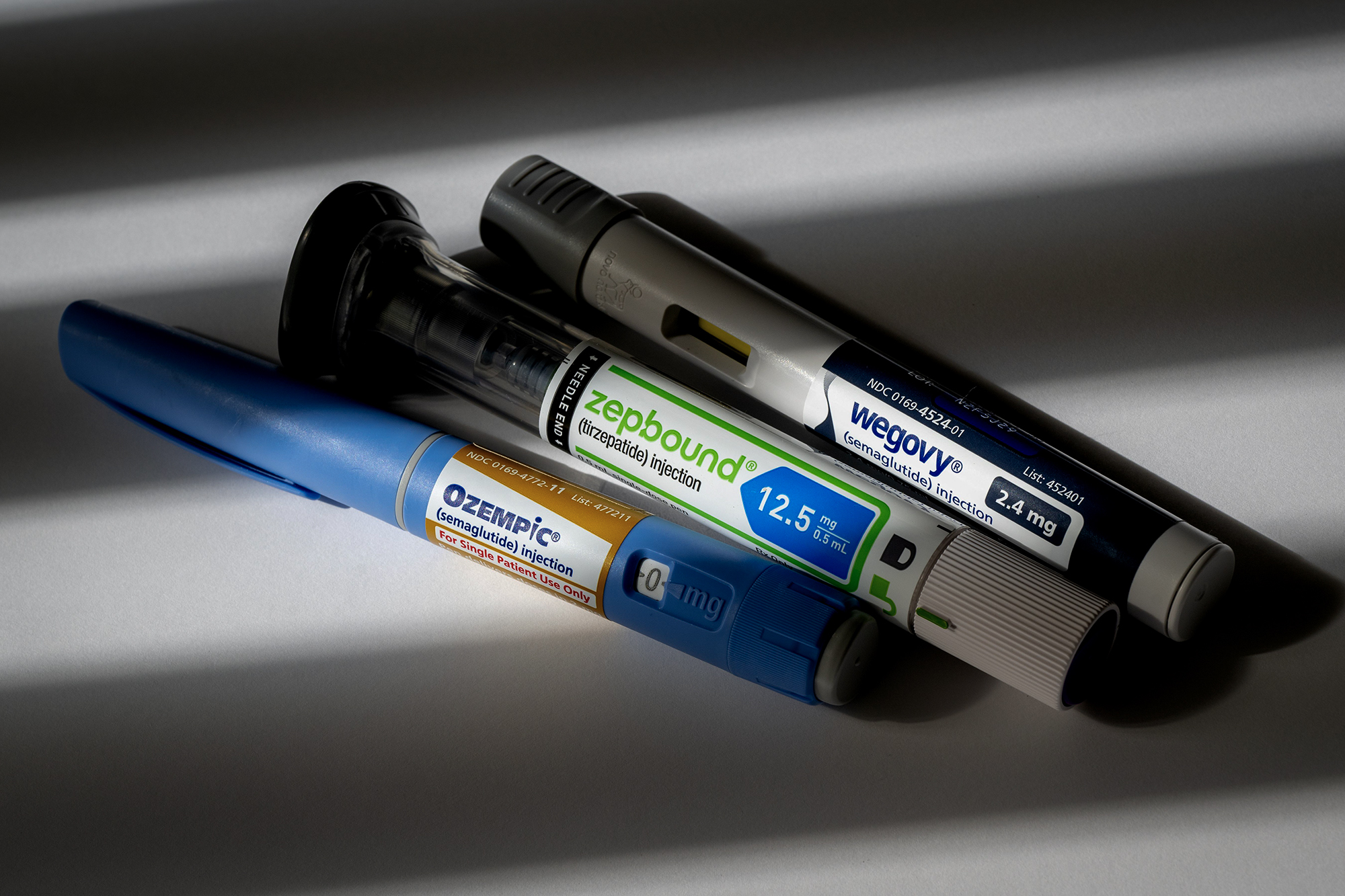
California's Legislature has sent Senate Bill 1089, the Preventive Treatment Health Care Act, to the governor's desk. The bill was enrolled and presented to the governor at 3 p.m. on Sept. 3, 2026, after clearing both chambers [1].
The measure would authorize the California Health and Human Services Agency to enter partnerships "if needed and subject to an appropriation" to increase competition, lower prices, and address supply shortages for at least one FDA-approved GLP-1 anti-obesity medication [1]. It would also require the agency to line up distribution partners if needed and to make its "best effort" to negotiate pricing at or below what the drugs cost Medi-Cal beneficiaries in 2025 [1].
That work would run through CalRx, the state program already used to produce and distribute lower-cost drugs. Under existing law, the agency must partner on generic drugs including at least one form of insulin sold at production and dispensing cost [1]. CalRx today also distributes albuterol inhalers and naloxone [2]. Speed is a real question: it took California three years to bring its $55 insulin to market under CalRx, and CalMatters reported a GLP-1 effort would likely be a yearslong endeavor [2].
A narrower bill than it started
SB 1089 is a scaled-back version of the original proposal, which would also have required CalPERS — the plan covering 1.3 million public employees and retirees — to cover GLP-1 drugs [2]. CalPERS opposed that, arguing the cost would raise premiums by $28 per member per month [2].
The author, Sen. Laura Richardson, an Inglewood Democrat, says she pays $450 a month out of pocket for a GLP-1 she started a year ago after learning she was pre-diabetic; her own state health plan does not cover it [2]. Assemblymember Jessica Caloza is listed as co-author [1]. Richardson said she discussed adding GLP-1s to CalRx with the governor and "he was very positively open to that," and state health officials have said GLP-1s are among the drugs under consideration for the program [2].
One detail reported in some summaries — a provision letting employers with 100 or more workers negotiate discounts directly — is not described in the enrolled bill summary available from Digital Democracy [1], and is not confirmed by the sources here.
The cost backdrop
The bill follows California's elimination of Medi-Cal coverage of GLP-1s for treating obesity, which the state attributed to growing pharmacy costs and budget pressure; Medi-Cal still pays for certain GLP-1s prescribed specifically for diabetes [2].
State data show prescriptions written solely for weight loss jumped from 20,000 in 2018 to 700,000 in 2023 across Medi-Cal and commercial plans [2]. In 2023, California spent $416.8 million on weight-loss GLP-1 prescriptions in Medi-Cal, and commercial payers spent $405.2 million [2]. A Legislative Analyst's Office analysis found the state's pharmacy spending nearly doubled over that period, tied partly to diabetes, obesity and inflammatory disease drugs [2].
Other states have pulled back too. New Hampshire, Pennsylvania, Massachusetts and South Carolina recently ended Medicaid coverage of GLP-1s used solely for weight loss, and 12 states now cover them for obesity, with Rhode Island ending coverage in October [2].
Why it matters for patients
For Californians paying cash, nothing changes on the day the governor signs or vetoes. The bill authorizes negotiations; it does not by itself set a price, name a manufacturer, or create a benefit. Any CalRx GLP-1 would also depend on an appropriation [1], and the insulin precedent suggests a multi-year timeline [2].
The stated price target is notable: at or below the 2025 Medi-Cal cost to beneficiaries [1]. The sources do not state what that dollar figure is, so the practical price a consumer might see is not yet known.
Access gaps have consequences. Los Angeles obesity specialist Dr. Wayne Ho said patients who can pay cash or have coverage manage conditions better, while others turn to compounded versions that lack FDA approval [2]. Nationally, calls to poison centers tied to weight-loss drugs rose 1,500% between 2019 and 2025 [2]. Separately, the federal Medicare GLP-1 Bridge Program is a temporary project aiming to bring Zepbound, Wegovy and Foundayo to about $50 a month [2].
What happens next
The governor must act on the enrolled bill; the deadline and his position are not stated in the available sources [1][2]. The bill moved through Senate Health (April 15, 2026), Senate Labor (April 22), the Senate floor (May 27), Assembly Health (June 16) and the Assembly floor (Aug. 24) before enrollment on Aug. 30 [1].
Images from the sources
Sources
Semaglutides.org is for information only and is not medical advice. Always talk to a licensed healthcare provider about your own care. Some links to telehealth services are affiliate links, labeled where they appear.