CMS says most Bridge prior authorizations clear in under 12 hours and confirms there is no formal appeal
CMS told AARP that most Medicare GLP-1 Bridge prior authorization decisions come back in under 12 hours, but there is no formal appeal if a request is denied.
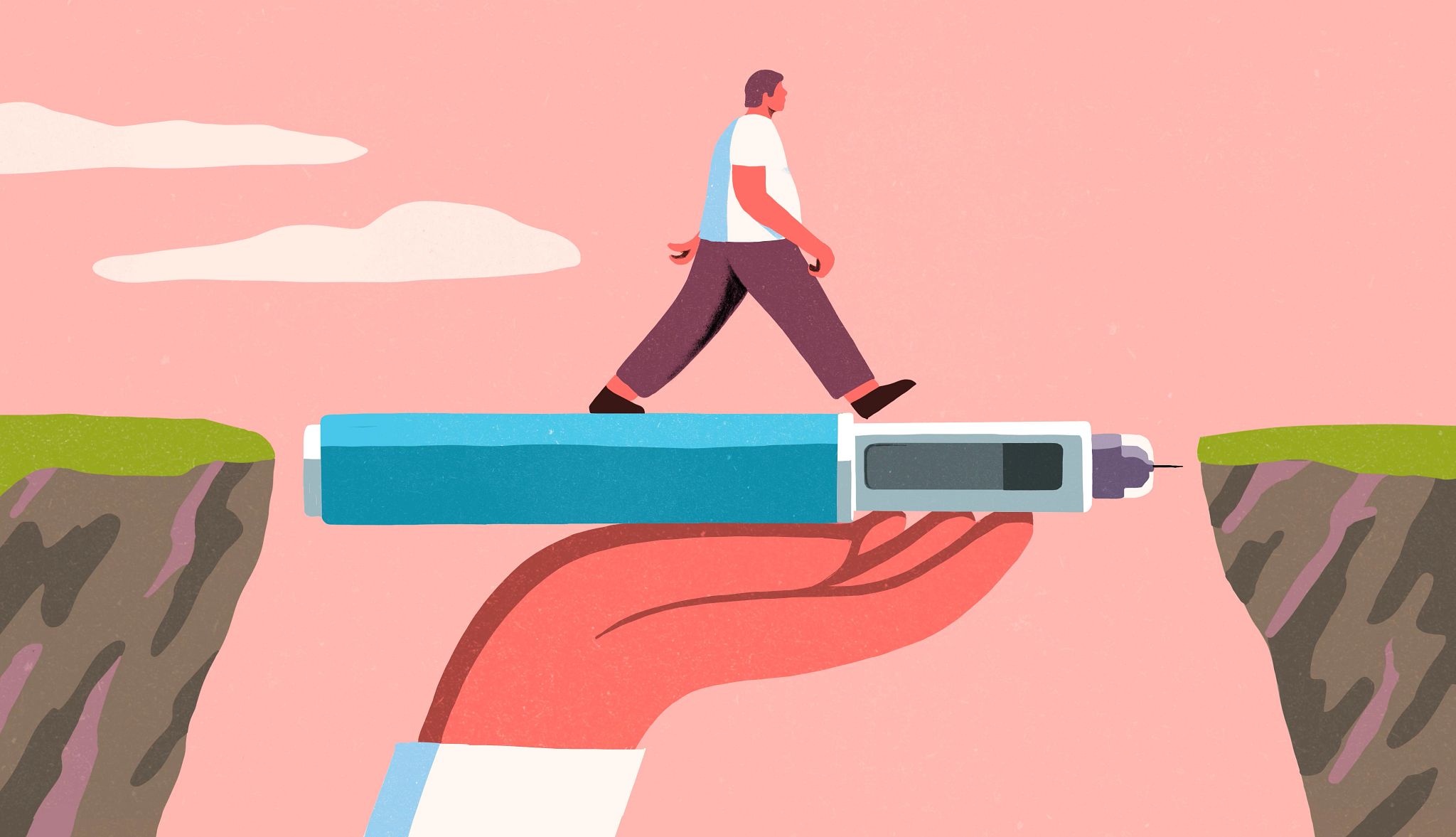
Federal officials say the prior authorization system behind the Medicare GLP-1 Bridge is running faster than its published deadline, with most decisions finished in under 12 hours rather than the 72 hours CMS promises [1]. Officials also confirmed something that has not been widely explained: a Bridge denial cannot be formally appealed [1].
CMS staff told AARP that the demonstration has generally beaten its 72-hour target and that most prior authorization requests are arriving electronically instead of by fax [1]. The agency's pharmacy guidance says the prescriber and patient are notified of a prior authorization decision within 72 hours of submission, and that prescribers may submit the form either by fax or through electronic prior authorization [2]. The electronic route CMS names is CoverMyMeds; pharmacies using an ePA system may get an automatic notification when a request is approved or denied, while pharmacies without one may need to resubmit the claim to find out [2].
No appeal, but resubmission is possible
A CMS official confirmed to AARP that there is no formal appeals process for a Bridge denial [1]. Instead, a prescriber can correct and resubmit the request with accurate or new information [1]. Appeal rights still exist for GLP-1 coverage decisions made under the regular Part D benefit [1].
That split follows from how the Bridge is built. CMS describes it as a short-term demonstration that runs from July 1, 2026, through December 31, 2027, and that operates outside the Part D benefit's coverage and payment flow [2]. Because it is a Section 402 demonstration and not a Part D plan offering drug coverage, Part D sponsors carry no risk for Bridge drugs and do not have to opt in [2]. CMS is using a single central processor, Humana, which already administers the Limited Income Newly Eligible Transition program, to handle prior authorization, claims adjudication and payment to pharmacies [2].
The prior authorization itself is an attestation. A prescriber must attest that the patient is being treated to reduce excess body weight and maintain weight reduction alongside ongoing lifestyle changes, and that the patient is at least 18 and has a BMI of 35 or higher; or a BMI of 30 or higher with heart failure with preserved ejection fraction, uncontrolled hypertension, or chronic kidney disease stage 3a or above; or a BMI of 27 or higher with pre-diabetes, a previous heart attack, a previous stroke, or symptomatic peripheral artery disease [2]. Type 2 diabetes, moderate to severe obstructive sleep apnea and noncirrhotic MASH are excluded from the Bridge because those indications are already covered under Part D [2].
Why it matters for patients
Speed and appeal rights pull in opposite directions here. A decision in hours rather than days means less time waiting at the pharmacy counter after a prescription is routed to the Bridge. But if the answer is no, there is no independent review to escalate to — the path forward runs back through the prescriber's office, which must fix or add information and send the request again [1].
The stakes of a single approval are relatively high because it lasts. CMS says Bridge prior authorization approvals are valid through December 31, 2027, and after the first approved fill, later fills do not need a new prior authorization unless the patient switches to a different covered GLP-1 drug [2]. Approval covers a single monthly supply of 28 or 30 days per fill; 60- and 90-day fills and partial fills are not available [2]. Covered products are Foundayo (orforglipron), Wegovy injection and tablets (semaglutide), and the Zepbound KwikPen (tirzepatide); Zepbound single-dose vials and single-dose pens are not included [2].
One other trap is worth knowing: a patient approved through the Bridge who later fills a GLP-1 through their Part D plan is no longer eligible, and a refill attempt will be rejected for prior Part D use [2]. Bridge claims are also primary and do not coordinate with other payers, and manufacturer coupons and discount programs cannot be applied [2].
What happens next
The Bridge's $50 copay access window runs from July 1, 2026, to December 31, 2027 [2]. CMS updated the covered drug list on April 6, 2026, to add Foundayo and to clarify the Zepbound formulation, and says the product and NDC list may be updated further during the demonstration [2]. CMS has not published a full public dataset on approval rates, denial reasons or turnaround times; those figures are not yet known from these sources.
Sources
Semaglutides.org is for information only and is not medical advice. Always talk to a licensed healthcare provider about your own care. Some links to telehealth services are affiliate links, labeled where they appear.