Doustdar's case: obesity will not be a winner-takes-all market
Novo Nordisk's new CEO Mike Doustdar argues obesity drugs won't have one winner because roughly 90 million eligible US patients still aren't on any GLP-1 medicine.
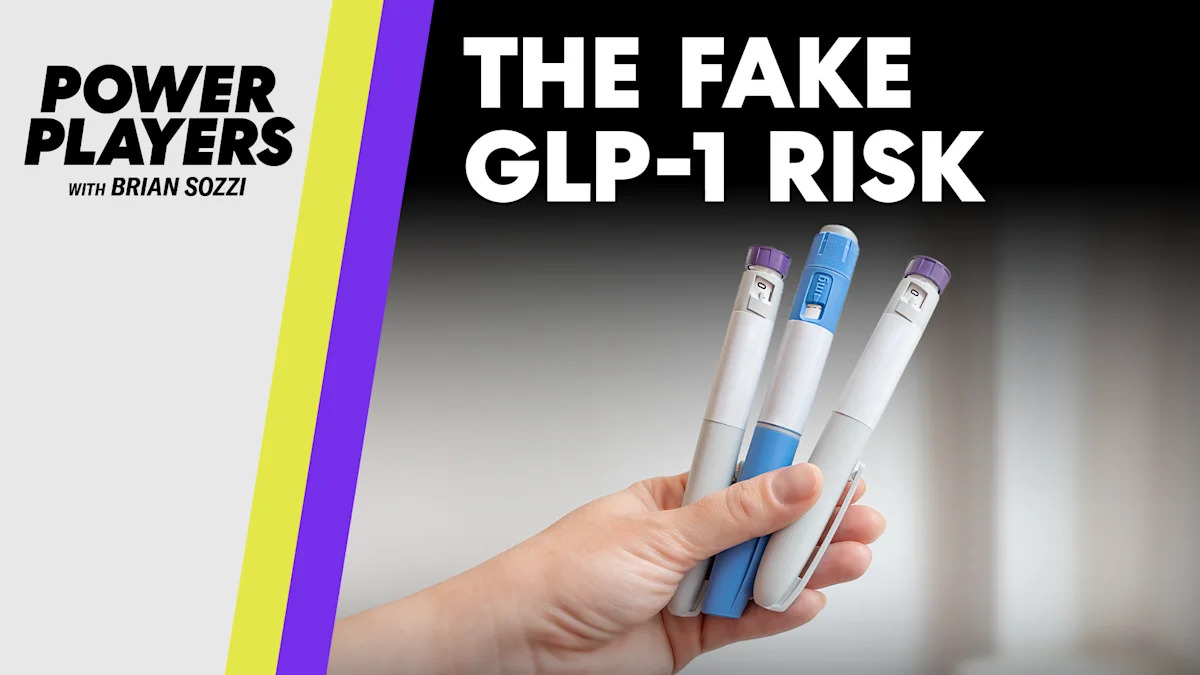
Novo Nordisk Chief Executive Mike Doustdar has spent the past several weeks making one argument to investors and reporters: the obesity drug market will not end up with a single winner. In an August Reuters interview, a September Yahoo Finance conversation, and around the company's rebrand, Doustdar has repeated that growth will come mostly from treating more people, not from companies stealing patients from each other [1][2].
The numbers he cites are large. Doustdar has put the US obesity population near 110 million, while only about 15 to 20 million people are currently on any GLP-1 medicine, whether a brand-name drug like Ozempic, Wegovy, Mounjaro or Zepbound, or a compounded version [1]. That gap, he argues, leaves far more room for new patients than for fights over existing ones.
The case comes as Novo Nordisk works to recover lost ground. In the Yahoo Finance interview, Doustdar acknowledged directly that the company has lost market share, saying "it's not fun" because it means people who could be on a GLP-1 and protecting their heart, kidney and liver are not [2]. In the US, Eli Lilly's Zepbound has overtaken injectable Wegovy in weekly prescriptions, though Novo Nordisk says its broader Wegovy franchise, including a pill form, led branded obesity medicines by new patient starts as of its second-quarter 2026 update [1]. Novo Nordisk also reported a 59.6% share of the global branded GLP-1 obesity market by volume in its 2025 annual report, with Obesity Care division revenue up 31% at constant exchange rates to DKK 82.3 billion, though that figure reflects a past reporting period and the global market rather than any single country [1].
Meanwhile, Eli Lilly's tirzepatide products have posted strong growth. Mounjaro brought in $9.94 billion in the second quarter of 2026, up 91% year over year, and Zepbound added another $4.93 billion, together making up 64.7% of Lilly's quarterly revenue [1]. Lilly also brought orforglipron, sold as Foundayo, to market in the US starting April 9, 2026, adding an oral competitor to Novo Nordisk's own oral semaglutide push, including a Wegovy tablet already launched in Germany [1].
Why it matters for patients
Doustdar's framing suggests that patients should expect more choices rather than one dominant drug. If new formulations like pills expand the pool of people willing to try treatment, patients who are reluctant to use weekly injections may find that reluctance addressed by companies competing to reach them [1]. That could mean more options in pharmacies, but it does not tell patients anything about price, insurance coverage or which drug fits their own situation.
The scale of the untreated population Doustdar cites, roughly 90 million eligible people not yet on any GLP-1 out of about 110 million with obesity, points to how early this market still is by his account [1]. Whether that gap closes through better insurance coverage, lower prices, or new pill formats is not yet known from the sources here. Novo Nordisk also disclosed early results from its STEP Young pediatric study, in which a company-reported analysis found 40.4% of children ages six to eleven taking semaglutide reached a BMI below the obesity threshold after 68 weeks, versus none on placebo, both groups also receiving lifestyle support [1]. That data has not yet led to a regulatory decision on expanding approved use to younger children.
What happens next
Doustdar is expected to carry this same argument into Novo Nordisk's Capital Markets Day, where the company is likely to lay out how it plans to expand the treated population through new formulations and possible new indications [1][2]. No specific date for that event appears in the sources reviewed. Separately, Novo Nordisk has discontinued two ziltivekimab heart failure trials following the earlier failure of its ZEUS cardiovascular study, a setback the company faces as it looks for growth beyond its GLP-1 franchise [1].
Sources
Semaglutides.org is for information only and is not medical advice. Always talk to a licensed healthcare provider about your own care. Some links to telehealth services are affiliate links, labeled where they appear.