FDA approves Scholar Rock's apitegromab, the first muscle-targeted drug to reach market
The FDA approved Isembyld (apitegromab-mstn) for spinal muscular atrophy, the first drug cleared in the US that works by targeting muscle itself — the same approach being tested to limit muscle loss during GLP-1 weight loss.
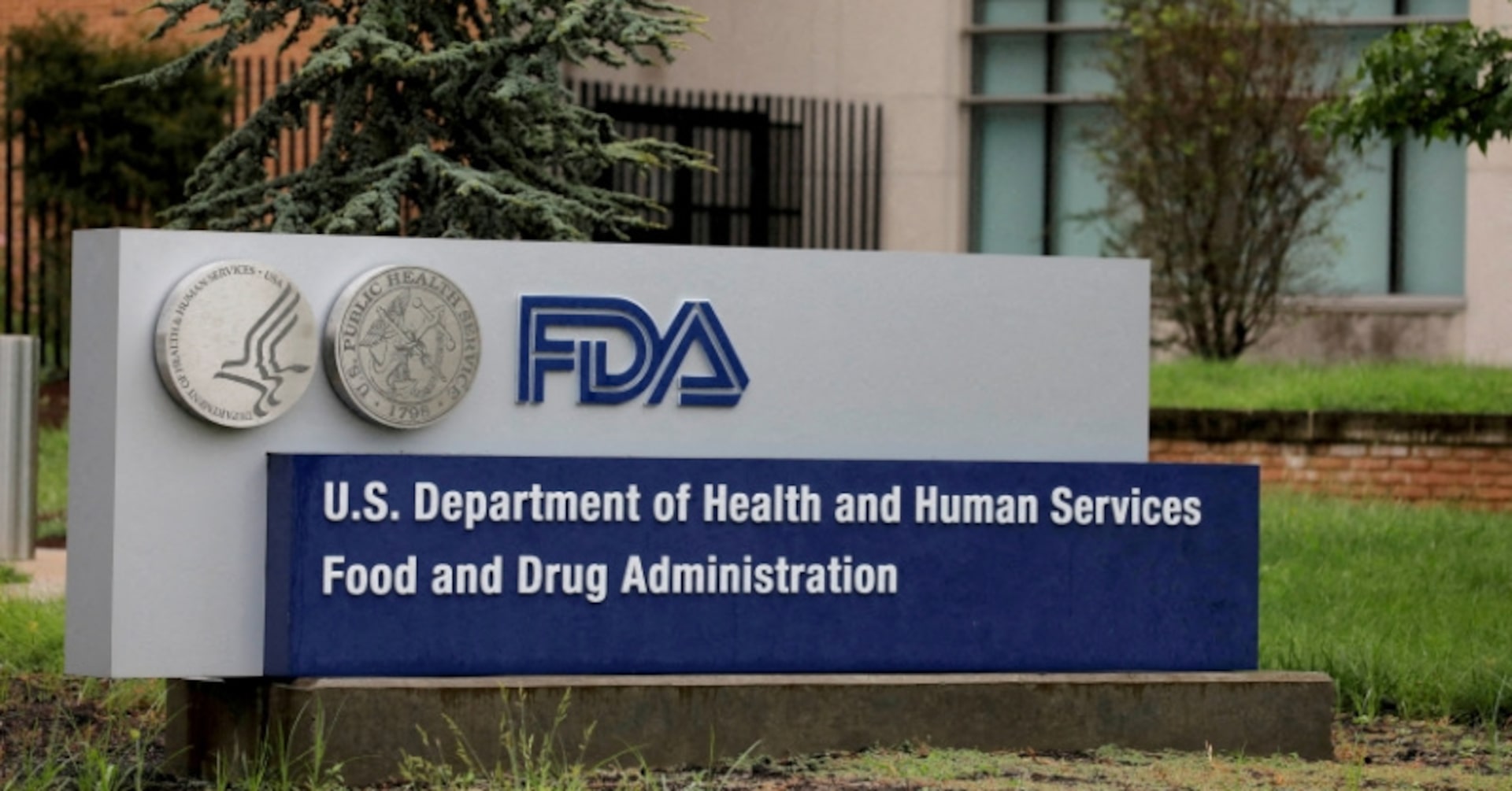
The U.S. Food and Drug Administration on September 11, 2026 approved Scholar Rock's Isembyld (apitegromab-mstn) for spinal muscular atrophy (SMA) in adults and children age 2 and older who are already taking a survival motor neuron 2 (SMN2)-targeted treatment [1][2]. It is the company's first approved product, and the first muscle-targeted therapy shown to improve motor function in people with SMA who are on existing treatment [1][2].
The drug is a fully human monoclonal antibody that binds promyostatin and latent myostatin and blocks myostatin signaling [2]. Myostatin is a protein that limits muscle growth; blocking it is meant to increase muscle mass and strength [1]. That mechanism is why the approval is being watched closely far outside the rare-disease world.
What the trial showed
Approval was based on the Phase 3 SAPPHIRE study, a randomized, double-blind, placebo-controlled trial [2]. At the recommended 10 mg/kg dose, patients on Isembyld plus background SMN2-targeted therapy improved 2.2 points on the Hammersmith Functional Motor Scale-Expanded (HFMSE) at one year compared with SMN2-targeted treatment alone (nominal p = 0.0121; main efficacy population ages 2–12, n = 103) [2]. A 3-point or greater increase in HFMSE occurred in 34.2% of treated patients versus 13.5% on placebo, an odds ratio of 3.8 (nominal p = 0.0125) [2]. Scholar Rock says patients on SMN2-targeted treatment alone lost motor function over the year [2].
The safety database covers more than 500 people across all apitegromab studies, some treated for more than seven years [2]. The most common adverse reactions in SAPPHIRE were upper respiratory tract infections, vomiting, cough, other viral infections, headache, gastroenteritis, pharyngitis, and hypersensitivity [2]. Notably, fractures occurred in 9% of patients on the 10 mg/kg dose versus 2% on placebo, and the label warns that treatment may increase the risk of bone fractures, including serious ones, with or without a fall [2]. Ninety-eight percent of SAPPHIRE participants chose to continue in the ONYX long-term extension study [2].
Scholar Rock shares rose more than 23% in after-market trading following the news [1]. (Some accounts have cited a roughly 12% move; the Reuters report cited here gives the higher after-hours figure [1].) BMO Capital Markets analyst Evan Seigerman forecasts adjusted worldwide peak sales of $2.1 billion in 2035 [1]. The company said Isembyld will ship in the coming days but did not immediately provide pricing to Reuters [1][2]. Scholar Rock also received a Rare Pediatric Disease Priority Review Voucher with the approval [2].
Why it matters for patients
This approval is for SMA, a genetic disorder affecting roughly 10,000 children and adults in the United States, not for obesity [1]. Nobody taking semaglutide or tirzepatide can get this drug for muscle preservation today.
The relevance is scientific and regulatory. One of the most common concerns raised about GLP-1 weight loss is that some of the weight lost is lean mass, and drugmakers have raced to develop add-on therapies to blunt that. Scholar Rock is testing the same myostatin inhibitor to preserve muscle in obesity, and Reuters reports it competes with more than a dozen companies developing treatments aimed at minimizing muscle loss during weight loss [1]. Until now, none of those myostatin-focused approaches had cleared the FDA for any use. Chief Executive David Hallal framed the decision as arriving "after decades of failed industry-wide efforts to unlock the potential of myostatin inhibition" [2].
An approval in one disease establishes that the FDA accepted a safety and efficacy package for this mechanism, and it gives regulators, insurers and clinicians a real-world label to look at. The fracture signal — 9% versus 2% — is the kind of finding that will follow the drug class into any future obesity discussion, though what it would mean in a very different population taking a GLP-1 is not yet known [2]. The sources also do not state a price, an obesity trial timeline, or any obesity efficacy results for apitegromab.
What happens next
Scholar Rock said Isembyld would be available to ship within days of the September 11 approval, with a patient support program to help with insurance coverage and infusion logistics at hospitals, infusion centers or at home [2]. Management scheduled an investor call for Monday, September 14, 2026, at 8:00 a.m. ET [2]. Results from the obesity program have not been reported in these sources.
Images from the sources

Sources
Semaglutides.org is for information only and is not medical advice. Always talk to a licensed healthcare provider about your own care. Some links to telehealth services are affiliate links, labeled where they appear.