FDA screens GLP-1 ingredients at the border and flags vials labeled with pharmacies that do not exist
The FDA has begun screening imported GLP-1 drug ingredients at the border and is warning that some vials in circulation carry fake pharmacy labels, as poison control centers report a rise in calls tied to unapproved products.
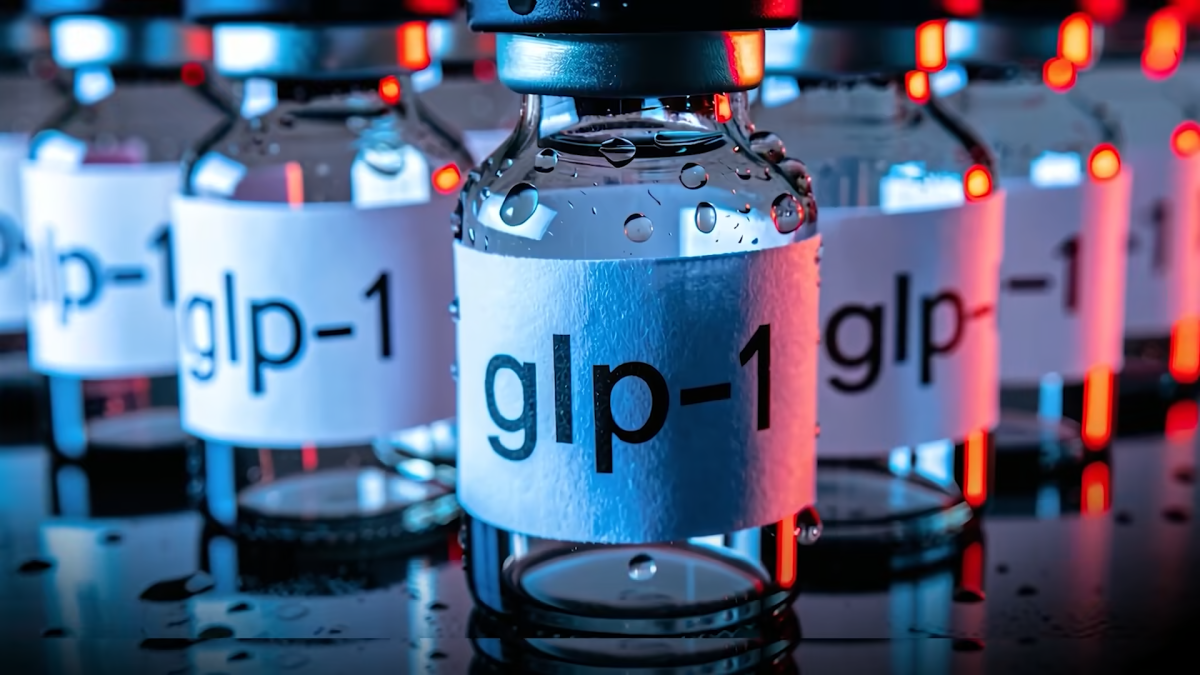
The Food and Drug Administration has set up what it calls a green list import alert covering GLP-1 active ingredients, screening shipments at the border for quality concerns before they can enter the U.S. supply chain [1]. The agency's updated guidance this week also warns that some vials reaching patients carry labels naming pharmacies that do not exist, and describes other problems including medicine arriving warm [1].
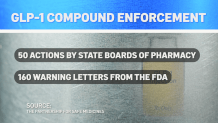
The import alert is meant to block ingredients from manufacturers whose facilities have not passed inspection, while still allowing imports from companies that appear to meet U.S. manufacturing standards [1]. The move extends an enforcement campaign against the compounded and unapproved GLP-1 market that has already produced a large volume of warning letters. The Partnership for Safe Medicines, an advocacy group, says it has tracked 160 FDA letters to telehealth companies and compounders over deceptive marketing since last year, along with 50 actions by state pharmacy boards against compounders, including probation and license revocations [2].
Separately, the California Poison Control System says it is fielding a steady stream of calls from people who became sick or were hospitalized after taking GLP-1 drugs, many of them unapproved compounded versions [2]. Compounded semaglutide and other GLP-1 mixtures were originally allowed to address a nationwide drug shortage or unique individual medical needs. That shortage has ended, but advocates say compounded products are now being mass produced and sold widely through telehealth platforms [2].
One patient, Shawn Rose of Chicago, told NBC Bay Area he began receiving compounded semaglutide through the telehealth company Mochi Health after his insurance denied coverage for an FDA-approved GLP-1 prescription, paying roughly a couple hundred dollars a month, about 75% less than an in-office prescription [2]. Rose said that after his dose was increased, he was rushed to the emergency room within about an hour and 15 minutes and was later hospitalized multiple times [2]. He said some vials he received had no labels at all, and Illinois regulators are reviewing his complaint [2]. NBC Bay Area also reported that a Washington pharmacy Mochi Health had used was shut down after state investigators found untrained assistants compounding GLP-1 drugs and unlicensed workers processing prescriptions [2].
Why it matters for patients
The FDA says unapproved GLP-1 products carry more risk than approved drugs like Ozempic, Wegovy, Rybelsus, Mounjaro, or Zepbound because they skip the federal review process for safety, effectiveness, and quality [2]. Vials with fake pharmacy labels, missing labels, or unclear contents make it hard for patients to know what dose, or what drug, they are actually injecting [1][2]. Self-drawn dosing from vials, as opposed to pre-filled pens, has been tied to dosing errors that poison control centers say are contributing to the recent surge in calls [2]. The FDA advises patients to be wary of steep discounts, missing instructions, and prescriptions issued without proper screening by a licensed doctor [2].
Advocates say enforcement so far has been limited in practical effect. Shabbir Imber Safdar of the Partnership for Safe Medicines said warning letters are
Images from the sources
Sources
Semaglutides.org is for information only and is not medical advice. Always talk to a licensed healthcare provider about your own care. Some links to telehealth services are affiliate links, labeled where they appear.