Forbes argues the administration's drug-pricing push has left pharmacy benefit managers largely untouched
A Forbes analysis says the administration's drug-pricing crackdown has mostly spared pharmacy benefit managers, the middlemen who control access and rebates for GLP-1 drugs like Ozempic, Wegovy, and Zepbound.
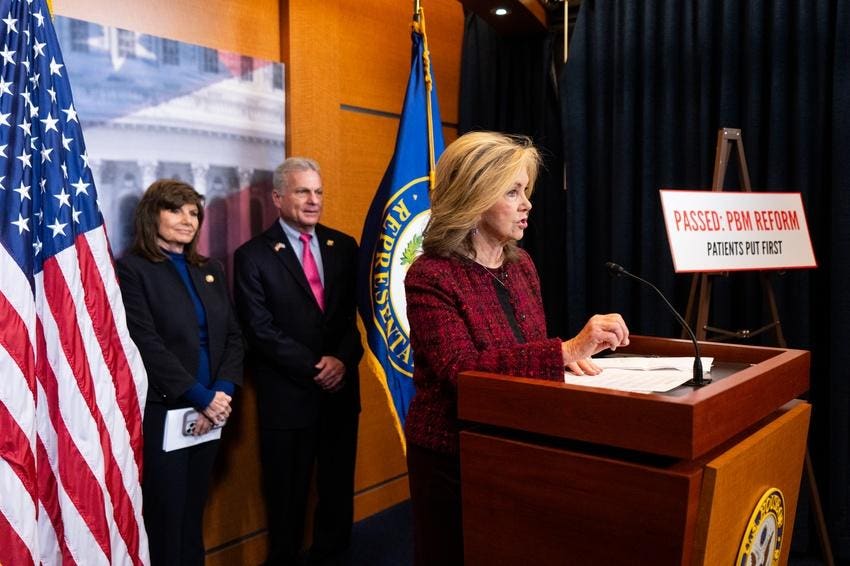
A Forbes analysis published September 9 argues that while the Trump administration has pushed drugmakers into most-favored-nation pricing deals and tariff-linked commitments, it has taken comparatively little action against pharmacy benefit managers (PBMs), the companies that control formularies and rebates for roughly 80% of U.S. prescriptions [1]. The piece comes three weeks after ten PBMs, coordinated through the Pharmaceutical Care Management Association (PCMA) and the Centers for Medicare and Medicaid Services, agreed to display TrumpRx cash prices inside their benefit tools [2]. Forbes contributor Joshua Cohen writes that this commitment does not touch the rebate system that determines which drugs, including many GLP-1 medicines, get preferred placement [1].
The three largest PBMs — CVS Caremark, Cigna's Express Scripts, and UnitedHealth's Optum Rx — are part of conglomerates that also own insurers and specialty pharmacies, which dispense many high-cost drugs [1]. According to the analysis, Federal Trade Commission investigations found that manufacturers have competed for favorable formulary spots by raising list prices, since higher list prices generate larger rebates for PBMs, and that PBMs then steered patients toward the higher-priced options that produced more rebate revenue [1]. Cohen writes this pattern has shown up across therapeutic categories, not just insulin, where the FTC's original inquiry began [1].
The FTC finalized settlements with Express Scripts and CVS Caremark this year over insulin pricing, with a third settlement involving Optum Rx expected [1]. But the piece says those settlements included no monetary penalties, no admission of wrongdoing, and no restitution fund for patients who paid inflated co-pays [1]. The settlements require PBMs to offer a "standard offering" passing through 100% of manufacturer rebates at the pharmacy counter, but employer plan sponsors can opt out and keep older rebate-based contracts [1]. Separately, the 2026 Consolidated Appropriations Act mandates 100% rebate pass-through for commercial and Medicare Part D plans, but that requirement does not take effect until 2028 [1].
Why it matters for patients
For people taking or considering semaglutide (Ozempic, Wegovy, Rybelsus) or tirzepatide (Mounjaro, Zepbound), PBM formulary decisions can shape which drug is covered, at what tier, and what a patient owes at the counter. Because PBM revenue has historically been tied to a percentage of a drug's list price before rebates, the Forbes analysis suggests formularies can favor products that generate the biggest rebates rather than the lowest net cost [1]. Patients in a plan's deductible phase, or those whose co-insurance is calculated on list price rather than the rebated net price, may pay more out of pocket as a result [1].
The TrumpRx display commitment lets patients compare a drug's cash price on TrumpRx against their benefit price inside the same tool their doctor uses [2]. PCMA describes this as giving patients "clear pricing information... regardless of where the price originates" [2]. But Forbes notes the arrangement leaves the underlying rebate economics that shape GLP-1 coverage decisions unchanged [1].
What happens next
The CAA's rebate pass-through requirement is scheduled to take effect in 2028, with PBM reporting obligations also beginning that year [1]. Starting in 2029, Medicare Part D sponsors must accept any pharmacy willing to meet standard contract terms [1]. A proposed Department of Labor rule requiring PBMs to disclose rebate and spread-pricing earnings to self-insured employers is still under review after a public comment period this spring [1]. It is not yet known from these sources whether any of these changes will specifically affect coverage or pricing for GLP-1 medications.
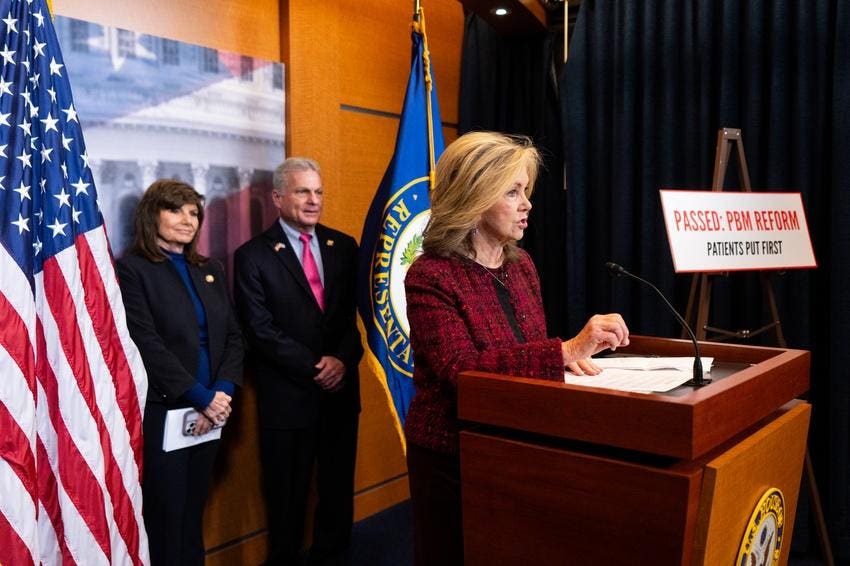
Images from the sources
Sources
Semaglutides.org is for information only and is not medical advice. Always talk to a licensed healthcare provider about your own care. Some links to telehealth services are affiliate links, labeled where they appear.