GLP-1 injury litigation tops 4,000 cases with vision claims growing
Federal court data show 4,022 gastrointestinal cases and about 200 vision-loss cases against GLP-1 makers as of September 2026, with no trials held and no settlements announced.
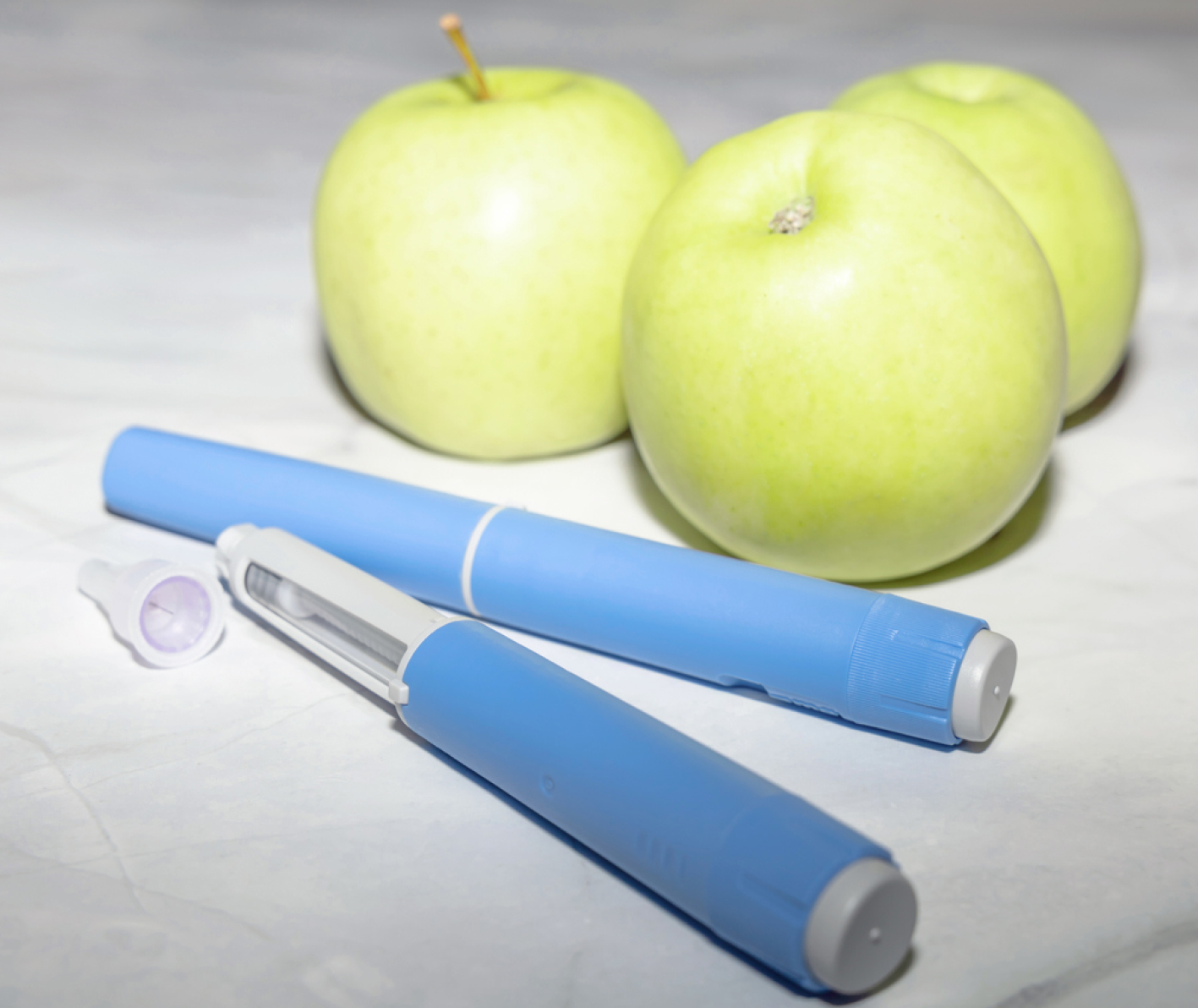
Litigation over GLP-1 drugs has crossed a new threshold. As of September 1, 2026, there were 4,022 cases pending in the federal gastrointestinal multidistrict litigation known as MDL 3094, out of 4,056 total filed, according to court statistics compiled from Judicial Panel on Multidistrict Litigation reports [2]. A second, newer MDL covering sudden vision loss had roughly 200 cases [2], though another tracker puts the figure at 216 [1]. Both are before Judge Karen S. Marston in the Eastern District of Pennsylvania [2].
No bellwether trial has taken place in either case group, and no settlement has been announced [1][2]. Nothing in these filings has been proven in court.
What the cases allege
MDL 3094 was created in February 2024 with 55 lawsuits and covers Ozempic, Wegovy, Rybelsus (semaglutide), Mounjaro, Zepbound (tirzepatide) and Trulicity, among other GLP-1 products [1][2]. Roughly 75% of the complaints allege gastroparesis, sometimes called stomach paralysis; about 18% allege ileus or intestinal blockage; and about 8% involve gallbladder injuries [2]. Plaintiffs argue that manufacturers did not adequately warn that the drugs' intended slowing of stomach emptying could progress to severe, lasting illness [2].
The case count has grown 202% since January 2025, when 1,331 cases were pending [2]. Novo Nordisk and Eli Lilly are the main defendants [2].
The vision MDL, numbered 3163, was created in December 2025 out of 21 lawsuits and assigned to the same judge [1][2]. Those cases involve NAION, or non-arteritic anterior ischemic optic neuropathy — a blockage of blood flow to the optic nerve that usually affects one eye and is typically permanent [1]. A July 2024 JAMA Ophthalmology study from Harvard and Mass Eye and Ear reported a four- to sevenfold higher rate of NAION among people prescribed semaglutide [2]; one summary describes more than seven times the risk in people taking it for weight loss and four times the risk in people with type 2 diabetes [1]. About 15% of people with NAION develop it in the other eye within five years, and roughly 20% see some improvement, though full recovery is rare [1].
Regulators have moved on the GI side but not the eye side. The FDA added an ileus warning to Ozempic's label in September 2023 [1][2], added a pulmonary aspiration warning in January 2025, and in October 2025 updated the label to state that "OZEMPIC is not recommended in patients with severe gastroparesis" [2]. One litigation tracker notes there is no U.S. label warning for NAION [2].
Why it matters for patients
For people taking or considering a GLP-1, the case count is not evidence that the drugs caused any particular injury. Courts have not yet tested whether the science supports the plaintiffs' causation theories — that is exactly what the pending expert and summary judgment motions are about [2].
What the litigation has done is sharpen the definitions. In August 2025, after more than 3,700 pages of briefing and evidentiary hearings, Judge Marston issued a 78-page ruling on how gastroparesis must be diagnosed, and she continues to require objective diagnostic testing — generally a gastric emptying study showing more than 10% retention at four hours [2]. That standard shapes which claims move forward, and it also reflects a broader clinical point: severe nausea or vomiting alone is not the same as a confirmed gastroparesis diagnosis [2].
Separately, the FDA had logged more than 207,000 adverse event reports tied to Ozempic, Wegovy, Zepbound and Mounjaro as of May 2026 [1]. Those reports are voluntary and do not establish that a drug caused an event.
What happens next
Expert depositions wrapped up in April 2026, and the Daubert motions deadline — the fight over which expert testimony a jury can hear — was April 28, 2026 [2]. Summary judgment briefing was submitted April 30 and ran through July 2026 [2]. Bellwether trial selection was expected around mid-2026, with first trials possible in late 2026 depending on how those motions come out [2]. One analysis estimates mass settlements are unlikely before late 2027 and puts potential combined liability above $2 billion [2].
In the vision MDL, the court scheduled a "Science Day" for June 3, 2026, where lawyers and medical experts present background evidence to the judge [1]. New Jersey's Supreme Court also consolidated state-court gastroparesis and vision cases into two multicounty litigations in October 2025 [1]. Trial dates in the vision cases are not yet known.
Sources
Semaglutides.org is for information only and is not medical advice. Always talk to a licensed healthcare provider about your own care. Some links to telehealth services are affiliate links, labeled where they appear.