Huntsville advances a $230 million tax district to support Lilly's $6 billion Alabama plant
Huntsville is moving forward with a $230 million tax district to fund roads, sewer lines and a new school around Eli Lilly's planned $6 billion Alabama manufacturing campus, a project tied to the company's drug production capacity.[1][2]
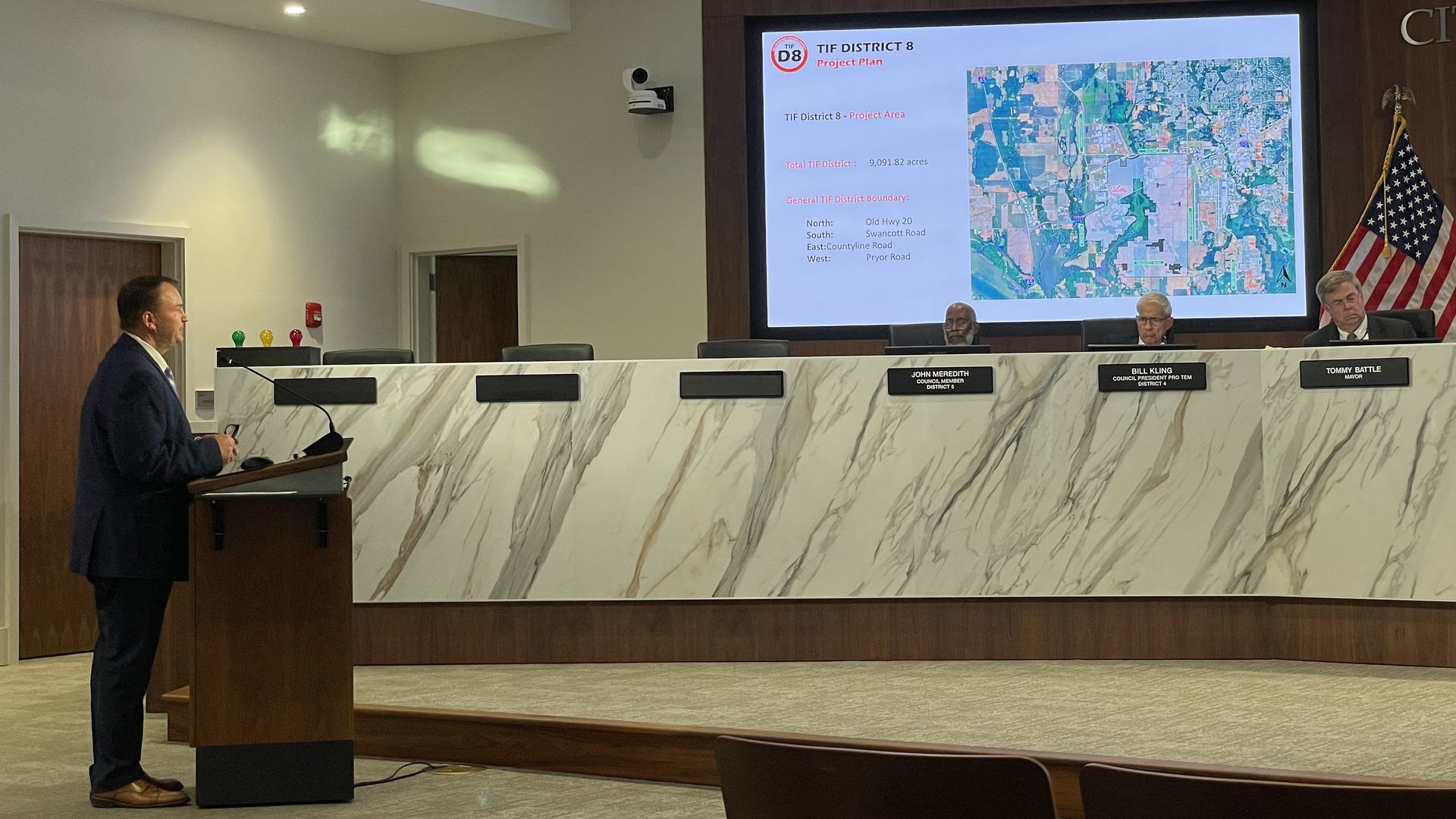
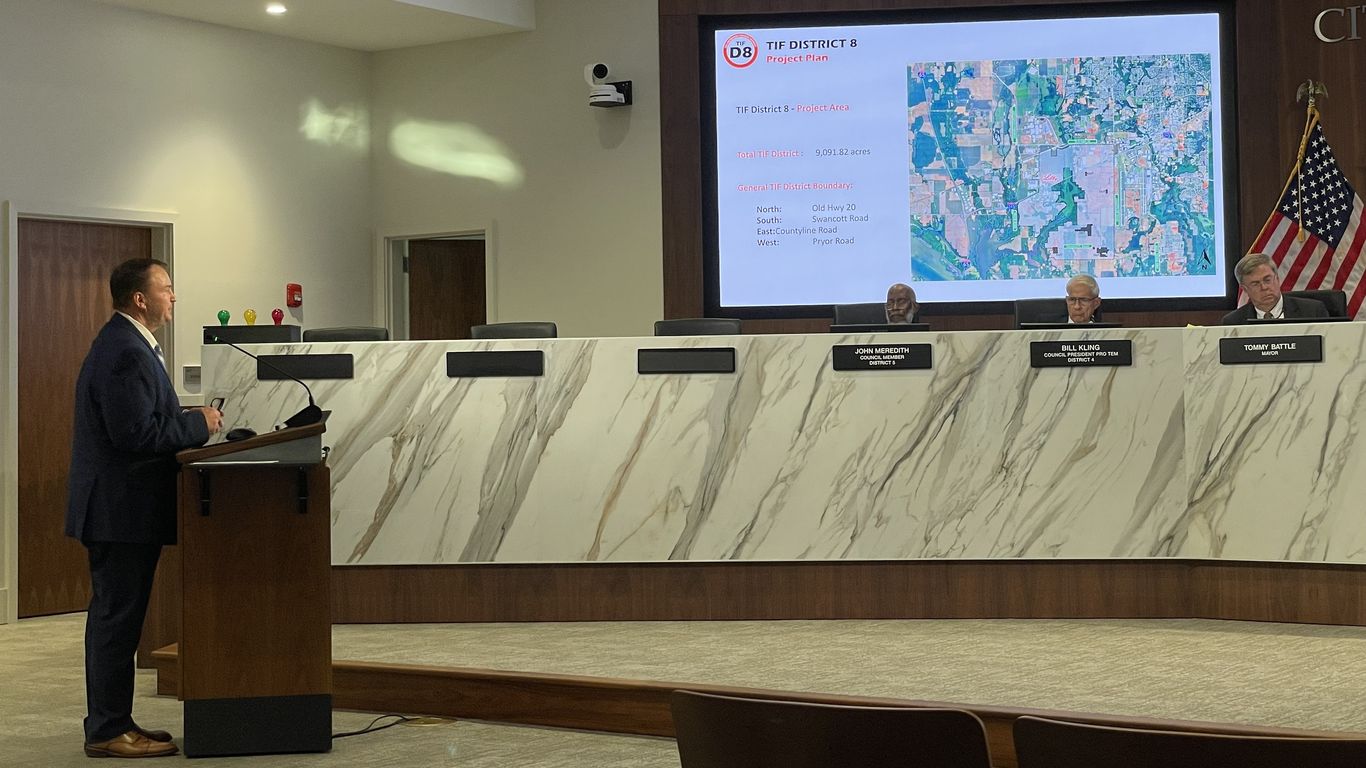
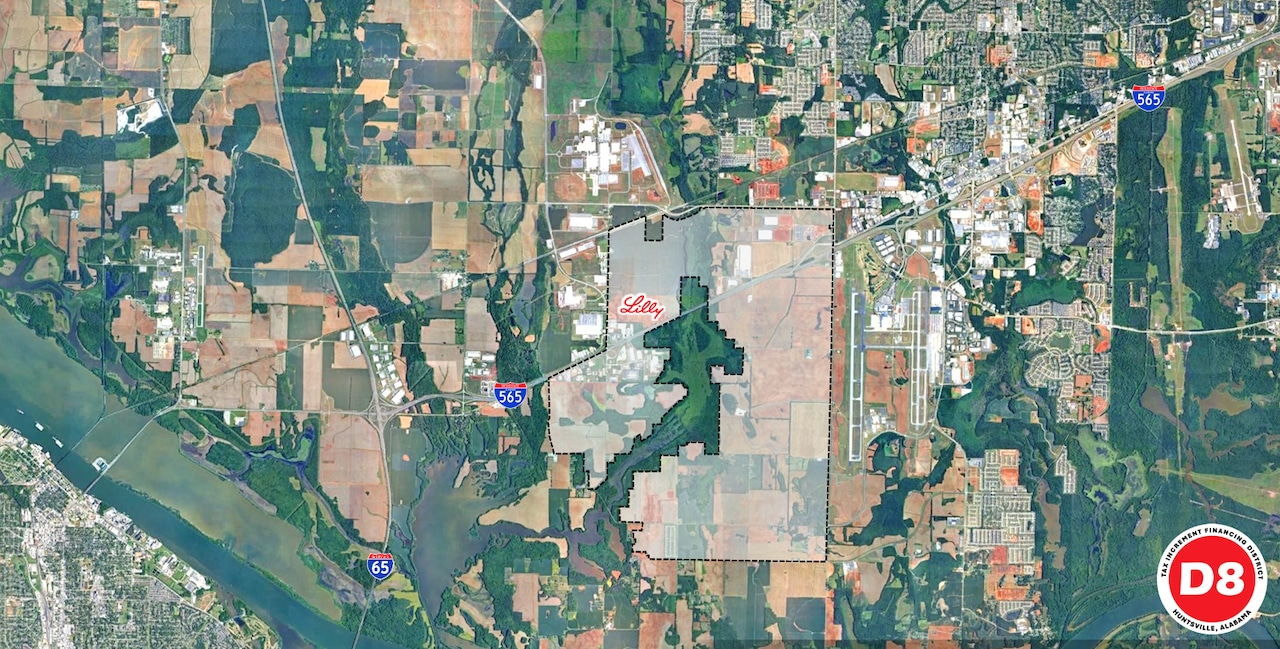
Huntsville city officials held a public hearing this month on a new 9,000-acre tax increment financing district, called TIF D8, that would help pay for infrastructure around the site of Eli Lilly's planned $6 billion campus in the Limestone County part of the city.[1] The Huntsville City Council reviewed 11 projects the district would fund, totaling about $230 million, mostly for roads, utilities and a new school.[2]
The biggest single items are road projects: $50 million to widen Swancott Road, $40 million to relocate and upgrade County Line Road, and $15 million for improvements at Interstate 565's Exit 3.[2] The plan also includes $40 million for a new Pre-K through 8 school, $15 million for roads serving that school, $15 million for sanitary sewer upgrades, $5 million for improvements at Fire Station 18, and $22 million to buy property needed for the manufacturing zone.[1][2] Land for the school has already been donated near Swancott Road off Interstate 565 in Greenbrier, and the school is part of Huntsville City Schools' 10-year, $600 million capital plan.[1]
City Urban and Economic Development Director Shane Davis said the district was drawn up years ago but would not be moving forward without Eli Lilly's investment, which he called the largest in Alabama history.[1] The Lilly facility is expected to create 450 jobs.[1] Davis said the area already has congestion problems, noting that 15,000 jobs have been created there in the past decade.[1] He compared the TIF to "planting a new orchard," telling the council the district would capture property taxes for a limited window that could generate three to seven times that revenue annually over time.[2]
Unlike most of the city's TIF districts, D8 relies on Alabama's Major 21st Century Manufacturing Zone Act, and Davis said the Lilly site is the zone designated under this TIF.[2] The city has used similar infrastructure financing before, including TIF 6 for Polaris and TIF 7 for Mazda Toyota Manufacturing.[1] A separate downtown TIF, TIF 9, was approved last month with a goal of generating $220 million toward a $200 million renovation of the Von Braun Center.[1] Officials say TIF funding is not a new tax; it redirects future tax growth generated by new development within the district, and existing property tax revenue going to Limestone County, Huntsville schools and county government would not be affected.[1]
Why it matters for patients
The sources describe this as infrastructure financing for Lilly's manufacturing campus, not as details about which specific drugs will be produced there or when. It is not yet known from these sources whether the Huntsville site will make GLP-1 medicines such as Mounjaro or Zepbound (tirzepatide), or other Lilly products. What is documented is that this is described as the largest capital investment in Alabama history, at $6 billion, and that it is expected to create 450 jobs.[1] For patients following supply and manufacturing news around GLP-1 drugs, expansions in Lilly's US production footprint have generally been tied to efforts to meet demand, though the sources here do not specify production timelines, output volumes, or which medicines would be made at this site.
What happens next
The Limestone County Commission is scheduled to vote on the TIF district on October 5, 2026.[2] The Huntsville City Council plans to hold its own vote to approve the district on October 8, 2026.[2] Both approvals are required before the district can move forward.[1]
Images from the sources
Sources
Semaglutides.org is for information only and is not medical advice. Always talk to a licensed healthcare provider about your own care. Some links to telehealth services are affiliate links, labeled where they appear.