Morgan Stanley downgrades Novo Nordisk over semaglutide patent cliff concerns
An analyst downgrade tied to semaglutide's eventual patent expiry puts Novo Nordisk's growth outlook in focus, though it reports no change to the medicines' approvals, supply or insurance coverage.
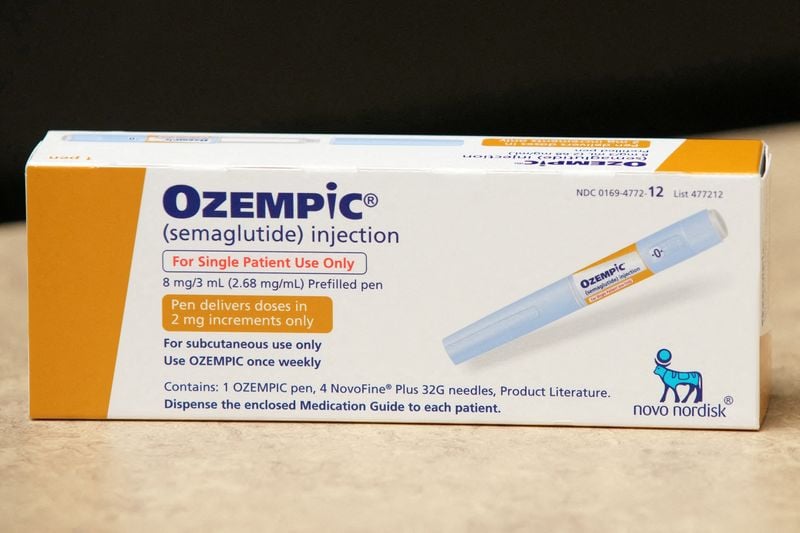
Morgan Stanley downgraded Novo Nordisk to Underweight from Equal-weight on Sept. 11, 2026, pointing to a subdued mid-term growth outlook and the eventual loss of patent protection for semaglutide, the molecule sold as Ozempic, Wegovy and Rybelsus [2]. The company's B shares fell 2.6% in early Copenhagen trading after the call [2].
The analysts, led by Thibault Boutherin, kept a price target of 250 Danish crowns, which implies more than 10% downside from the last closing price [2]. They wrote that Novo's valuation does "not entirely" reflect subdued mid-term growth and "the implications of the semaglutide patent cliff on Novo's terminal value" [2].
Morgan Stanley forecasts 2% to 3% revenue and EBIT growth in 2027, roughly in line with consensus, and a 4% compound annual growth rate for both revenue and EBIT from 2027 through 2030 [2]. EBIT is earnings before interest and taxes. That is below the 4% revenue and 7% EBIT growth the bank expects from the broader European pharmaceutical sector [2]. Semaglutide accounted for 75% of Novo's sales in 2026, according to the note, and the company faces a large patent cliff in the early-to-mid 2030s across Europe and the United States [2]. The bank models semaglutide still representing 59% of sales in 2031, when loss-of-exclusivity effects begin [2].
The analysts also flagged competition. A Morgan Stanley survey of 200 primary care physicians found growing adoption of GLP-1 drugs for diabetes and obesity, but also market share losses for Novo over the next 18 months to Eli Lilly's current offerings and to Lilly's retatrutide, which is expected in 2027 [2]. The bank forecasts Novo's oral obesity franchise reaching $10 billion in sales by 2031 but says that "will not be enough to offset pricing and competitive headwinds" [2].
On valuation, the analysts noted Novo trades at 12.5 times estimated 2027 earnings, a 7% discount to European large pharma peers but a 35% premium to global peers facing their own loss-of-exclusivity issues, such as Sanofi and GSK [2]. They see "limited scope for major announcements" at Novo's Sept. 21 capital markets day, though management is expected to restate its view of the oral obesity market and update business development priorities in areas such as MASH and chronic kidney disease [2]. The main upside risk they cite is if oral obesity treatments win a larger share of patients than modeled and hold up better against competition and generics [2].
Separately, Novo's recent corporate announcements listed on Yahoo Finance include share repurchase program notices, a rebrand to "Novo" with an updated corporate culture, and a collaboration with Crux to offer access to Wegovy and other obesity management medications [1].
Why it matters for patients
Semaglutide is the active ingredient in Novo's Ozempic, Wegovy and Rybelsus, so this analysis concerns products many US patients take for type 2 diabetes, weight loss and obesity-related conditions [2]. The patent cliff the analysts describe is years away: loss-of-exclusivity effects begin in 2031 in their model, with the broader cliff running through the early-to-mid 2030s in Europe and the US [2]. The note does not say when, or whether, lower-cost generic versions would reach US pharmacies [2].
The competitive concern is about market share, not safety or effectiveness. Morgan Stanley expects Novo to lose share to Eli Lilly medicines already on the market and to retatrutide, expected in 2027 [2]. The note does not address supply, insurance coverage or pricing for US patients, and no changes to the medicines' approvals or labeling are reported [2].
What happens next
- Sept. 21, 2026: Novo's capital markets day. Analysts expect management to discuss the oral obesity market and business development priorities such as MASH and chronic kidney disease, and see limited scope for major announcements [2].
- 2027: Eli Lilly's retatrutide is expected, according to the note [2].
- 2031: The year Morgan Stanley's model shows loss-of-exclusivity impact beginning for semaglutide [2].
Images from the sources


Sources
Semaglutides.org provides information only, not medical advice. Talk to a licensed provider about your own care before making changes. Some telehealth links are affiliate links and are labeled where they appear.