Novo Nordisk shares fall as the ziltivekimab halt outweighs the pediatric win
Novo Nordisk shares slipped about 2% to $46.60 as investors weighed the shutdown of two heart-failure trials against a positive pediatric obesity result for semaglutide, a reminder that pipeline setbacks can outweigh good news for a company built on GLP-1 drugs.
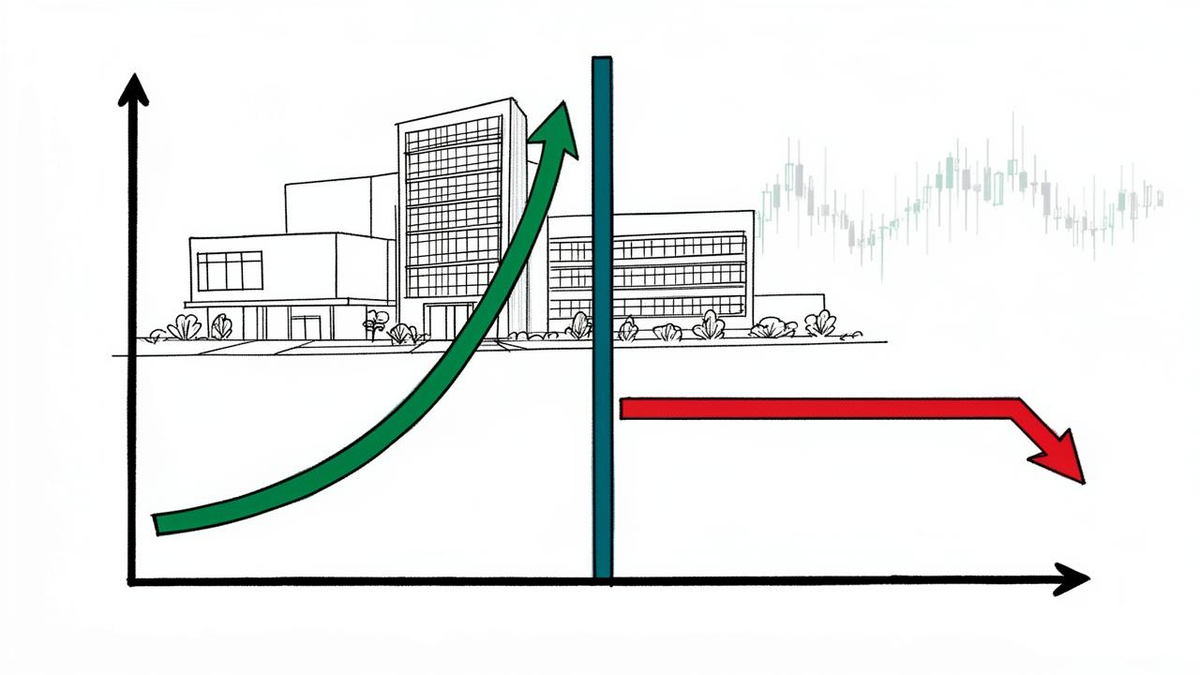
Novo Nordisk's US-listed shares fell nearly 2% to about $46.60 after the company disclosed it was ending two late-stage trials of ziltivekimab, an experimental anti-inflammatory drug for heart failure, even as it reported a positive pediatric obesity result for semaglutide a day earlier [1][2].
The company told investigators on September 4 that the HERMES and ATHENA Phase 3 studies of ziltivekimab would stop early. A data monitoring committee concluded neither trial was likely to produce a different outcome than the ZEUS study, which failed to meet its main goal in July [1]. HERMES had tested whether ziltivekimab could delay cardiovascular death or heart-failure hospitalizations, while ATHENA looked at quality-of-life measures in heart failure patients [1]. A third trial, ARTEMIS, which is testing the drug in patients recently treated for a heart attack, will continue, with data expected in the first half of 2027 [1][2]. Novo said there were no new safety concerns tied to the halted studies; the problem was that the drug was not showing enough benefit [2].
The timing mattered. One day before the ziltivekimab news, Novo reported results from STEP Young, a trial of semaglutide in children ages 6 to under 12 with obesity. After 68 weeks, 40.4% of children taking semaglutide fell below the clinical threshold for obesity, compared with zero on placebo, in an analysis of patients who stuck with treatment [1][2]. More than 85% of the 165 children enrolled had severe obesity at the start, and both groups also received diet and exercise support [1]. Novo reported no new safety signals related to growth or puberty, a specific concern in pediatric use of GLP-1 drugs [1].
Despite the pediatric win, investors focused on the cardiology setback. Analysts described it as pipeline arithmetic: a label extension for an existing obesity drug into a new age group does not replace a heart-failure franchise that had been expected to become a second major growth driver [2]. Novo acquired ziltivekimab in 2020 through a $725 million takeover of Corvidia Therapeutics, hoping it would diversify the company beyond diabetes and obesity [1]. With three of the drug's four Phase 3 cardiovascular trials now negative or discontinued, only ARTEMIS remains to determine whether the program has a future [1].
Why it matters for patients
For people currently taking or considering semaglutide products like Ozempic, Wegovy, or Rybelsus, the ziltivekimab news does not change anything about those medicines directly — it is a separate drug for heart failure, not an obesity or diabetes treatment [1]. But the STEP Young data could matter more directly for families with younger children who have obesity, since it shows semaglutide lowered BMI enough to move some children below the obesity threshold, with no new safety concerns tied to growth or puberty reported so far [1]. That said, detailed data have not yet been published, and the drug is not yet approved for this younger age group in the United States, so what this means for prescribing and insurance coverage is not yet known from these sources.
The stock move also reflects how much of Novo's value the market has tied to its GLP-1 franchise rather than newer treatment areas. Novo's finances remain strong: the company posted a 42.5% adjusted operating margin in the second quarter on revenue of roughly $12.2 billion [1]. That cushion means the ziltivekimab setback is unlikely to affect drug supply or pricing for current GLP-1 patients, though it does show investors are skeptical the company can build a second blockbuster business beyond obesity and diabetes care [1][2].
What happens next
The ARTEMIS trial, testing ziltivekimab in patients recently treated for a heart attack, is expected to report data in the first half of 2027 [1][2]. Patients who were enrolled in the two discontinued trials will complete a scheduled three-month follow-up visit [1]. Novo Nordisk is also set to hold a capital markets day on September 21, where it is expected to address how it plans to grow beyond its current product lineup [2].
Images from the sources
Sources
Semaglutides.org is for information only and is not medical advice. Always talk to a licensed healthcare provider about your own care. Some links to telehealth services are affiliate links, labeled where they appear.