Higher semaglutide doses tied to fewer neuropsychiatric events, independent of weight lost
A large records study found that patients who reached higher semaglutide doses had fewer new mood, anxiety, and substance-use diagnoses than those on lower doses, an effect that did not track with weight loss, though the study cannot prove the drug caused it.
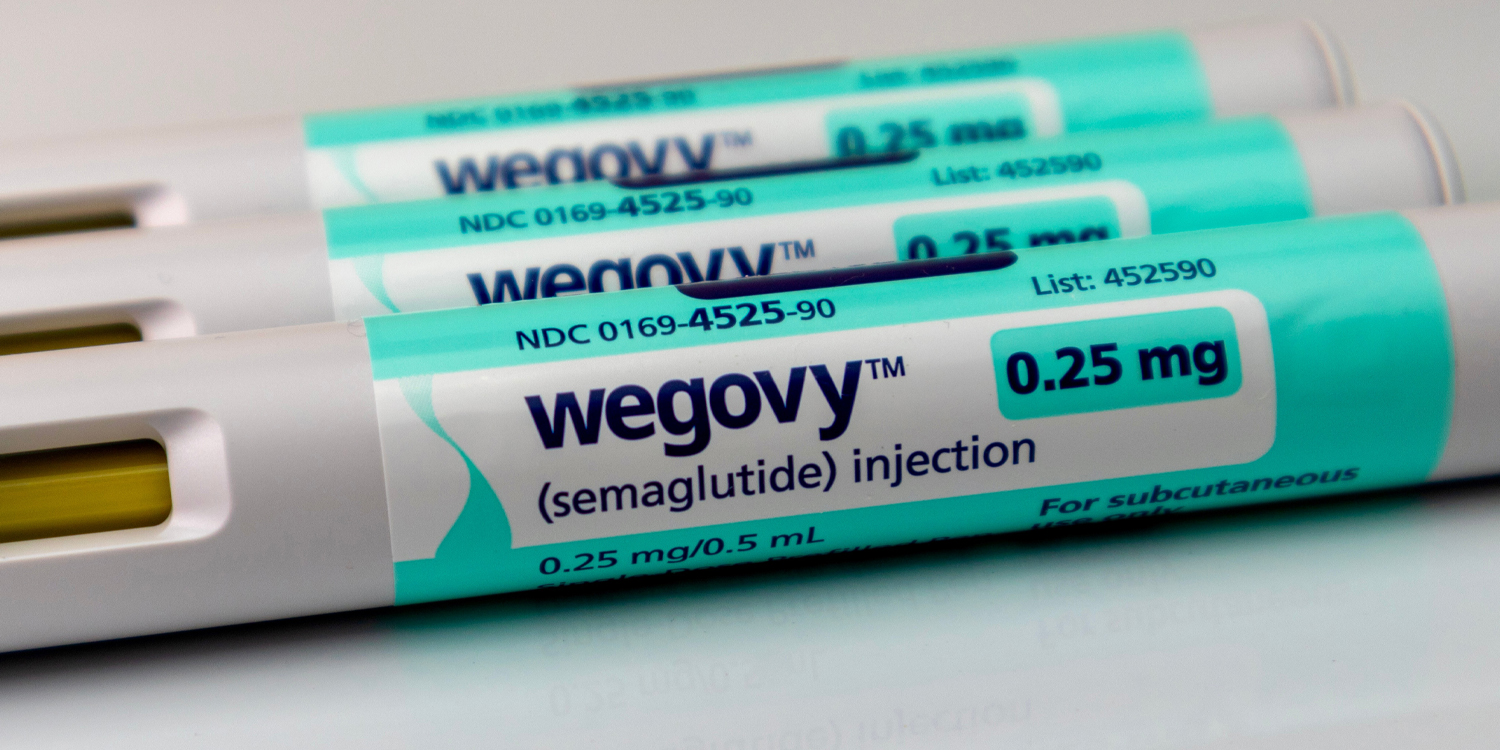
A study published September 1 in npj Metabolic Health and Disease found that among 63,215 semaglutide patients with a prior neurological or psychiatric condition, those who reached higher doses had lower rates of new mood, anxiety, and substance-use diagnoses over the following two years than those who stayed on lower doses [1]. The researchers report that this pattern did not line up with how much weight patients lost, suggesting dose, not pounds shed, tracked more closely with the diagnoses recorded [1][2].
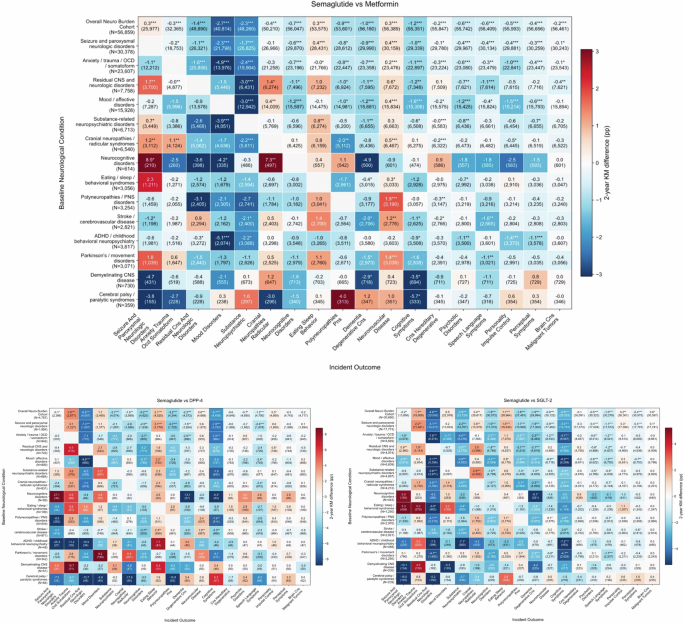
The study drew on electronic health records for 489,785 patients with at least one semaglutide prescription, narrowing to 63,215 with a baseline neurological or psychiatric condition [1]. Compared with metformin, semaglutide was associated with lower two-year rates of several outcomes, including substance-related disorders (3.8% versus 6.1%), mood disorders (10.5% versus 13.2%), and dementia or degenerative CNS disease (0.95% versus 1.96%), all with p-values below 0.001 [1].
Within the semaglutide group, patients who reached 1.7 milligrams or higher had a 29% lower relative risk of new substance-related disorders and an 18% lower relative risk of new mood disorders compared with patients who stayed at 0.25 to 1.0 milligrams [2]. Study co-author Venky Soundararajan of nference said those figures translate to roughly 23 and 14 fewer diagnoses per 1,000 people at risk [2]. Similar reductions appeared for anxiety, neuromuscular disease, and impulse-control disorders, but not for dementia or degenerative CNS disease, where high- and low-dose groups showed no significant difference (p = 0.15) [1][2].
When patients were instead grouped by weight loss, ranging from under 5% to over 20% of body weight, the mood, anxiety, and substance-use patterns did not track in the same way [2]. One exception stood out: cognitive and speech-related symptoms were more closely tied to weight loss than to dose, rising from 2.1% among those who lost the least weight to 4.7% among those who lost the most [1][2]. The authors caution this does not necessarily mean weight loss harms cognition, since in real-world records, large weight loss can sometimes reflect an underlying decline in health rather than the reverse [2].
The authors note their findings sit against mixed prior research. A Lancet Psychiatry study of a Swedish cohort found that some patients with depression or anxiety experienced worsening mental illness on semaglutide, a contrast the new paper explicitly addresses [1][2]. Soundararajan emphasized limits on interpretation, saying that comparing separate dose and weight-loss groups "does not establish a direct drug effect independent of weight," since people who reach higher doses may differ in tolerance, continuity of care, and affordability, all of which could shape outcomes on their own [2].
Why it matters for patients
The study is observational, built from medical records rather than a randomized trial, so it cannot show that higher doses caused fewer psychiatric diagnoses [1][2]. Patients who reach and stay on higher doses may simply be healthier, more consistently engaged with care, or less likely to have quit early due to side effects, a pattern researchers call healthy-adherer bias [2]. The diagnostic codes used also only capture when a doctor formally records a condition, which can lag behind when a problem actually begins [2]. The authors are explicit that the results should not be used to justify prescribing semaglutide specifically to treat psychiatric conditions [2]. For patients already managing both metabolic and mental health conditions, the finding adds one more data point to a genuinely mixed literature, alongside a Swedish cohort study that found some patients with depression or anxiety got worse [1][2].
What happens next
The study's authors say future work should include prospective, randomized studies that assign patients to different doses and monitor them directly, since only that design can test whether dose itself, rather than the traits of people who tolerate higher doses, drives the differences in psychiatric diagnoses [2]. No dates for such trials were given in the sources reviewed.
Images from the sources
Sources
Semaglutides.org is for information only and is not medical advice. Always talk to a licensed healthcare provider about your own care. Some links to telehealth services are affiliate links, labeled where they appear.