Poison control centers report a surge in calls tied to unapproved GLP-1 products
Poison control centers are fielding a rising number of calls about unapproved, compounded GLP-1 drugs bought online, and the FDA says these products skip the safety review required for approved medicines.
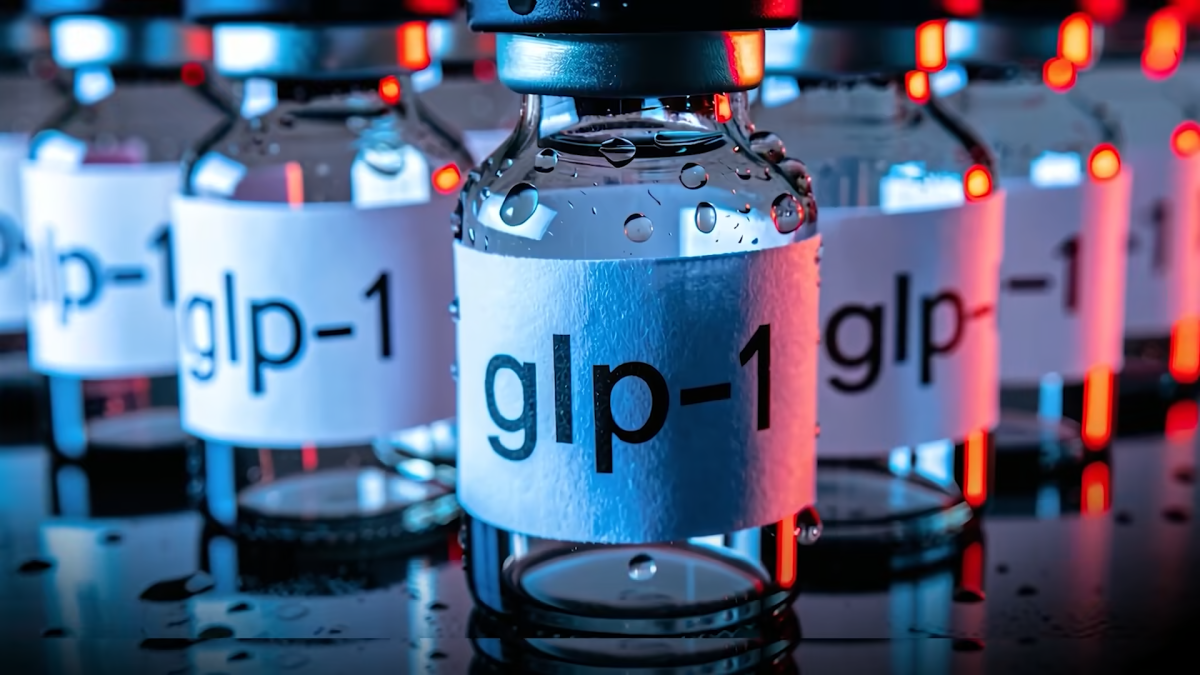
Poison control officials in California say they are getting steady calls from people who got sick, and in some cases were hospitalized, after taking unapproved GLP-1 products, many of them compounded versions of drugs like Ozempic [1]. The reports come as the FDA has renewed its warning that unapproved GLP-1 medications carry more risk than approved drugs because they are not reviewed by the agency for safety, effectiveness, or quality before they reach patients [1][2].
Compounded semaglutide products were originally meant to fill gaps during a drug shortage or to meet a specific patient's medical need. That shortage has ended, but compounded versions are still being made and sold in large volumes, according to safe-medicine advocates [1]. The FDA has told patients to watch for warning signs such as steep discounts, missing instructions, and no screening by a licensed doctor [1].
One patient, Shawn Rose of Illinois, said he turned to the telehealth company Mochi Health after his insurance denied coverage for a GLP-1 prescription. He paid about a couple hundred dollars a month, roughly 75% less than a doctor's office price, and received shipments of compounded semaglutide [1]. After his dose was increased, Rose said he was rushed to the emergency room within about an hour and a quarter, and he was hospitalized multiple times, according to medical records he provided [1]. He also said some vials he received had no labels [1].
A Washington pharmacy that supplied Mochi Health was shut down earlier this year after state investigators found it let untrained pharmacy assistants compound GLP-1 drugs, allowed unlicensed workers to process prescriptions, and had expired medication ready to ship to patients [1]. Neither the pharmacy nor Mochi Health responded to requests for comment [1].
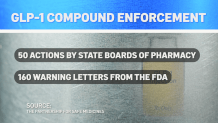
Shabbir Imber Safdar, executive director of the Partnership for Safe Medicines, said the supply of unapproved compounded GLP-1 drugs has reached its highest volume in two decades [1]. His group has tracked 50 actions by state pharmacy boards against compounders since last year, including probation and license revocations, along with 160 FDA warning letters sent to telehealth companies and compounders over deceptive marketing [1]. Safdar argued that warning letters alone are not enough, saying too few cases are referred to the Department of Justice and too few unsafe products are recalled [1]. The FDA told reporters it
Images from the sources
Sources
Semaglutides.org is for information only and is not medical advice. Always talk to a licensed healthcare provider about your own care. Some links to telehealth services are affiliate links, labeled where they appear.