AI analysis of 400,000 Reddit posts surfaces side effects that rarely reach trials
A Penn study used AI to scan 400,000 Reddit posts about GLP-1 drugs and found users discussing menstrual changes, temperature symptoms and fatigue more than trial data suggests, though the method cannot prove these drugs cause them.
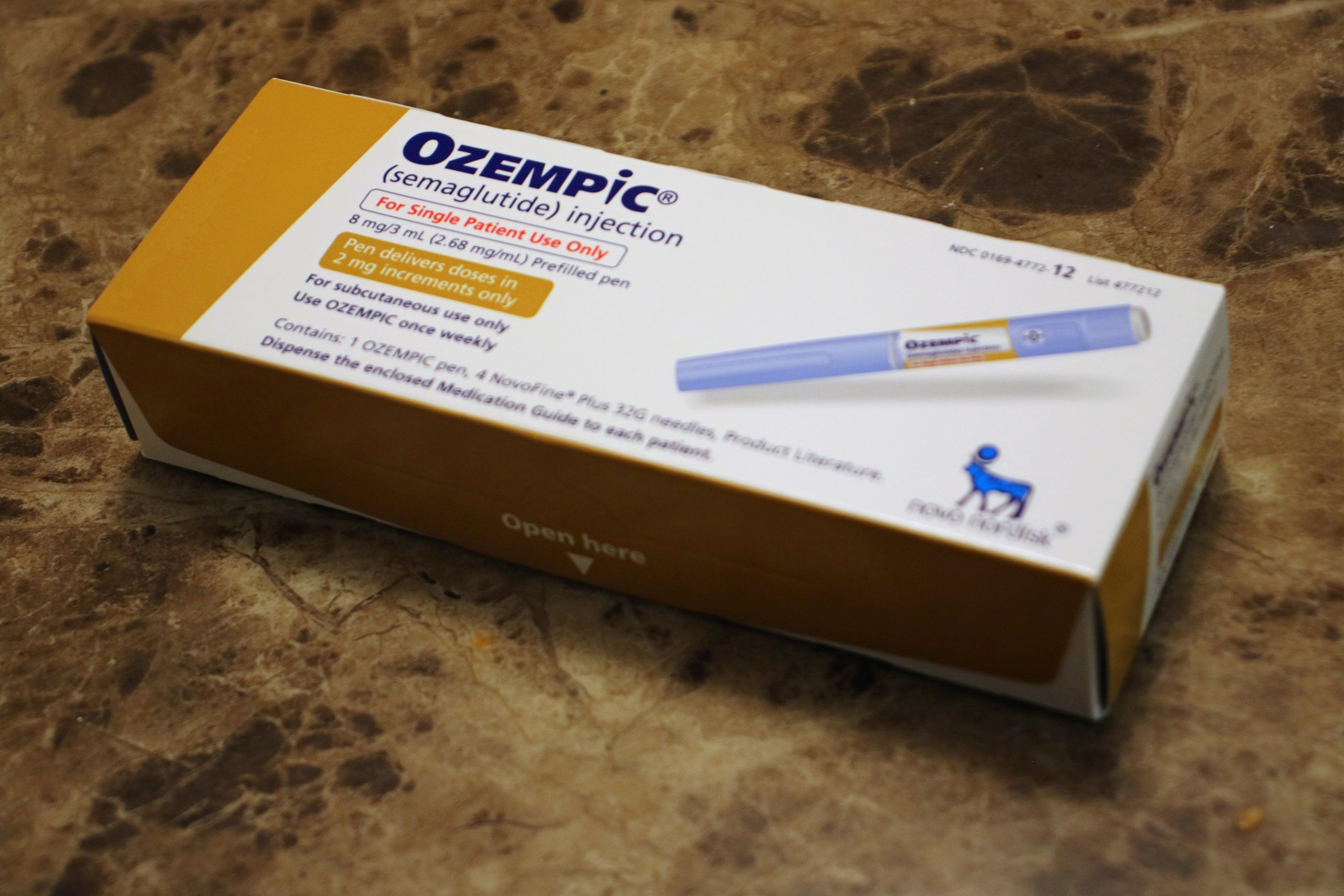
Researchers at the University of Pennsylvania used artificial intelligence to analyze more than 400,000 Reddit posts about GLP-1 medications, including Ozempic, Wegovy, Mounjaro, and Zepbound, and found symptom patterns that get less attention in formal clinical trials [1]. The study drew on more than five years of posts from nearly 70,000 users [1].
Large language models were used to map informal, everyday descriptions of symptoms onto standardized medical terms, which let researchers spot patterns across thousands of conversations that would be hard to code by hand [1]. Gastrointestinal complaints remained the most frequently reported symptom overall, and fatigue was the second most common [1]. About 4% of users who reported side effects mentioned menstrual changes, including heavier bleeding and altered cycles [1]. Chills, feeling cold, hot flashes, and fever-like sensations also came up often in the posts [1].
The researchers point to a possible biological reason to look closer at some of these reports. GLP-1 drugs can act on pathways involving the hypothalamus, a brain region that helps regulate hunger, hormones, reproduction, and body temperature [1]. That connection gives scientists a reason to investigate the menstrual and temperature-related reports rather than dismiss them, according to the coverage [1].
But the study's authors and the reporting are careful to say this is not proof of cause and effect [1]. Reddit users skew younger, more male, and are concentrated in the United States, and posts are self-reported and unverified [1]. People who post about a drug online are also more likely to be dealing with a problem, or unusually enthusiastic, than the general population of people taking it, which can distort what shows up in the data. The findings show associations worth studying further, not established causes [1].
Why it matters for patients
For people taking or considering a GLP-1 drug, this study is a reminder that clinical trial data, while rigorous, may not capture every symptom patients experience day to day [1]. Trials are designed to catch common and serious adverse events, but some things patients discuss with each other, like changes in taste, alcohol response, or sleep, may get less attention during a typical medical visit [1].
At the same time, nothing here means these drugs are proven to cause menstrual changes, temperature symptoms, or fatigue. The Reddit data cannot establish how often these symptoms occur or whether the drug is the cause, versus some other factor in a person's life or health [1]. Patients who notice new symptoms while on these medications may still find it useful to bring them up with a clinician, since the study suggests some effects may be underreported in official channels, even though the online data itself proves nothing about causation.
What happens next
The researchers describe this work as a hypothesis generator, meant to point formal pharmacovigilance and controlled studies toward symptoms that deserve a closer look, rather than as a finished safety assessment [1]. Future research would need to determine whether these reported patterns reflect actual medication effects, underlying health conditions, or other explanations [1]. The team also suggested that expanding this kind of AI-driven analysis across different languages and populations could help researchers see whether similar signals turn up elsewhere [1]. No specific dates for follow-up clinical studies were given in the available coverage.
Images from the sources
Sources
Semaglutides.org is for information only and is not medical advice. Always talk to a licensed healthcare provider about your own care. Some links to telehealth services are affiliate links, labeled where they appear.