Superluminal raises $60 million to advance MC4R obesity drug into human testing
A Boston biotech raised $60 million to test an experimental oral MC4R drug in people with rare genetic forms of obesity, with a Phase 1 trial planned by the end of 2026.
Superluminal Medicines said Sept. 3, 2026 that it closed an oversubscribed $60 million Series B financing to move its lead drug candidate for rare genetic forms of obesity into human testing [1][2].
The Boston company's lead program is a selective, biased MC4R agonist being developed for rare genetic forms of obesity and hypothalamic obesity. A Phase 1 clinical trial is expected to begin by the end of 2026 [1]. The drug is a daily oral treatment, according to CEO Cony D'Cruz [2].
BVF Partners led the round, with new investors Deep Track Capital and Perceptive Advisors joining existing investors RA Capital Management, Insight Partners, NVIDIA, Catalio Capital Management, Eli Lilly and Company, Cooley, and Gaingels [1]. BioPharma Dive reported that the company has raised $213 million in venture financing to date [2]. Superluminal says the proceeds will also support additional pipeline programs and expansion of its GPCR-focused discovery platform [1].
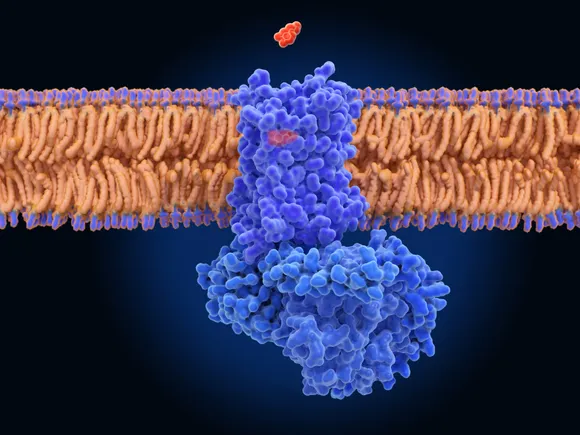
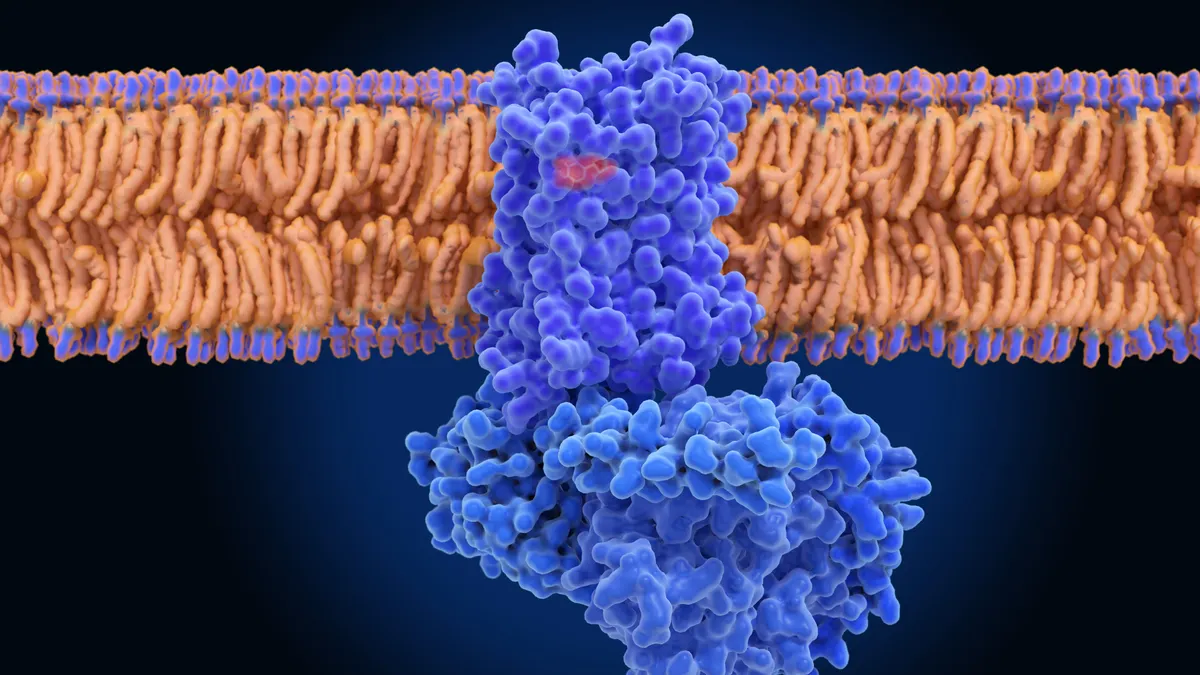
The company describes itself as integrating AI and machine learning, protein dynamics and structural biology to work on G protein-coupled receptors, a class of targets it calls structurally complex and difficult [1]. MC4R is one of those receptors, a protein that controls appetite and energy expenditure [2].
Superluminal says the MC4R pathway is a clinically validated regulator of energy balance and appetite, with established relevance in rare genetic forms of obesity including Bardet-Biedl syndrome and hypothalamic obesity [1]. The company says its approach is designed to maximize therapeutic activity while minimizing side effects by activating only the signaling pathways responsible for the desired clinical effect. In preclinical studies, the candidate showed high selectivity and what the company called a favorable safety profile [1].
The program follows the path Rhythm Pharmaceuticals opened with Imcivree, an MC4R-activating medication already on the market for rare genetic forms of obesity. That drug has also shown potential in Prader-Willi syndrome, a genetic condition that causes an insatiable hunger known as hyperphagia [2].
D'Cruz told BioPharma Dive that Superluminal's candidate could prove safer than competing medicines by affecting only certain signaling pathways, and that a daily oral pill would set it apart from injectable medicines such as Imcivree and Vykat XR [2]. Vykat XR, developed by Soleno Therapeutics and now sold by Neurocrine Biosciences, treats hyperphagia associated with Prader-Willi syndrome [2].
"More broadly, these experiences reinforce our view that efficacy alone is not enough," D'Cruz wrote. "To meaningfully improve treatment for patients with rare obesity, we believe a therapy ultimately needs to combine meaningful effects on weight and hyperphagia with a safety and tolerability profile that supports chronic use" [2].
Superluminal says the program may have future applications in rare diseases such as Prader-Willi syndrome, and in the broader population in combination with GLP-1 therapies [1]. BioPharma Dive noted that other Prader-Willi treatments have struggled in testing: an experimental treatment from Aardvark Therapeutics is on hold, and a drug from Acadia Pharmaceuticals missed its objectives [2].
Superluminal also has a partnership with Eli Lilly to advance small-molecule drugs targeting undisclosed GPCRs for cardiometabolic diseases and obesity [1][2].
Why it matters for patients
Rare genetic forms of obesity and hypothalamic obesity are described by the company as devastating diseases with limited treatment options [1]. The existing MC4R drug is an injection, and the experimental candidate is designed to be a daily pill [2]. If it reaches the market, that difference in how a drug is taken could matter to people who use it long term, though no such comparison has been run.
The Phase 1 stage is early. First-in-human trials generally focus on safety and how the body handles a drug, and the company has not reported how much weight loss, if any, the candidate produces in people. Whether its selectivity translates into fewer side effects in humans than existing medicines is also not yet known; that claim rests on preclinical results and the company's design goals [1][2].
Approval, if it happens at all, would come years after the trial starts. Nothing has been disclosed about pricing, trial size, dosing, or which patients would qualify.
What happens next
The Phase 1 trial is expected to begin by the end of 2026 [1]. Superluminal has not reported when it will disclose results, how many participants the trial will enroll, or what it will measure. The financing is also earmarked for additional pipeline programs and further development of the company's discovery platform [1].
Images from the sources
Sources
- https://www.prnewswire.com/news-releases/superluminal-medicines-announces-oversubscribed-60-million-series-b-financing-to-advance-lead-program-in-rare-genetic-forms-of-obesity-into-the-clinic-302868367.html
- https://www.biopharmadive.com/news/superluminal-medicines-obesity-ai-drug-discovery-series-b/829552
Semaglutides.org provides information only, not medical advice. Talk to a licensed provider about your own care before making changes. Some telehealth links are affiliate links and are labeled where they appear.