Australian regulator finds eight times the approved semaglutide dose in a product sold as retatrutide
Australia's drug regulator says a vial sold as retatrutide contained no retatrutide at all — just undeclared semaglutide at about eight times the strength of approved products, and the user tore an esophagus from vomiting.
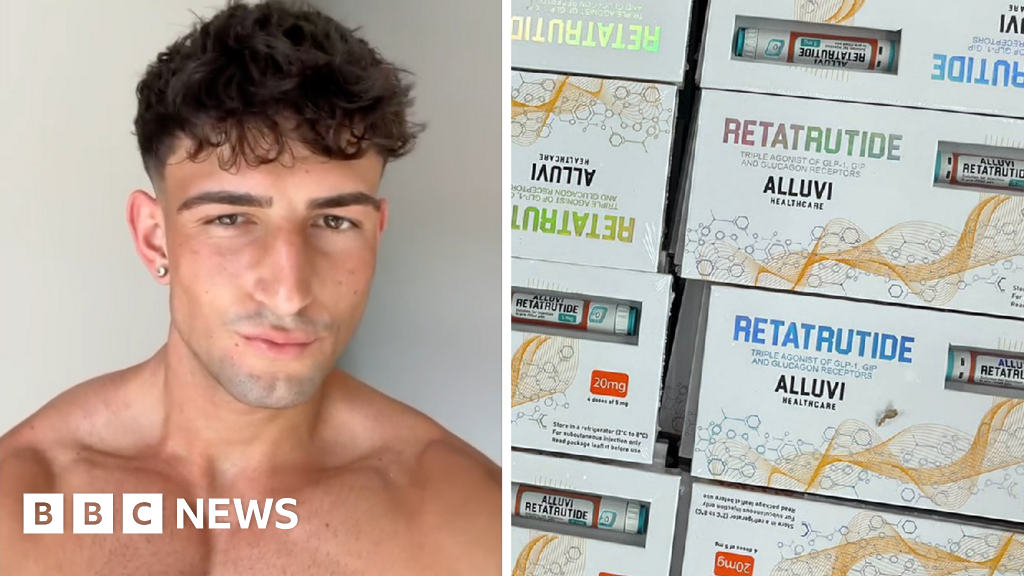
Australia's Therapeutic Goods Administration (TGA) published a safety alert after lab testing of a product sold as the experimental weight-loss peptide retatrutide found no retatrutide in it at all. Instead, the vial contained undeclared semaglutide at roughly eight times the level found in approved semaglutide products [1]. The consumer who used it vomited uncontrollably, tore an esophagus and needed hospital treatment [1].
The TGA said it received a report of a serious adverse event and then tested a sample obtained in its original, unmarked vial [1]. Two findings define the risk: the product held a different drug than advertised, and the amount was far above the dose in semaglutide products the TGA has assessed and listed on the Australian Register of Therapeutic Goods [1].
The date of publication is reported slightly differently across sources. The news account and the RACGP's newsGP say the alert came out Monday, September 14, 2026, while the TGA document itself is listed with a publication date of September 13, 2026 [1].
What retatrutide is — and isn't
Retatrutide is Eli Lilly's investigational triple-hormone drug, acting on GLP-1, GIP and glucagon receptors [2]. It has not been approved for human use by the TGA or any comparable international regulator and is still in clinical trials [1]. Because of that, the TGA said any retatrutide product obtained outside a clinical trial could be counterfeit and should not be used [1].
"The biggest risks with unapproved peptide products are not knowing what is in the vial, how much of or even what substance it contains, whether it is sterile, or whether it contains other contaminants or toxins," said Professor Robyn Langham AM, the TGA's Chief Medical Adviser [1]. The regulator also flagged infection risk and harmful immune responses, including anaphylaxis, from unverified sterility, plus dosing and injection errors when people inject themselves [1].
The TGA said its investigation is trying to locate the source of the material and pull products from the market, but the source had not been identified when the alert was published [1]. Penalties in Australia include civil penalties of up to A$1.82 million per breach for individuals and A$18.2 million for corporations, plus criminal penalties of up to seven years' imprisonment [1]. In June the TGA formally added unapproved peptide products to its priority focus areas [1].
Dr. Terri-Lynne South, chair of RACGP Specific Interests Obesity, told newsGP the case shows earlier warnings are not reaching patients and called the excessive dose "really worrisome from a safety point of view" [1].
A wider counterfeit market
Australia is not the only place seeing this. The BBC reported that fake retatrutide is being sold in the UK through gyms, salons, social media and even street sellers, and that the UK's MHRA found more than 2,000 unlicensed retatrutide pens during a raid on an illegal weight-loss drug factory in Northampton [2]. One 20-year-old UK user said he accidentally gave himself eight times the intended dose and had 72 hours of severe diarrhea and nausea [2]. Eli Lilly says it has reported more than 14,000 websites, ads and social media posts it considers illegal marketing, and states that "no one should take anything claiming to be retatrutide outside of a Lilly-sponsored clinical trial" [2].
Why it matters for patients
The central problem here is that the label was wrong in both directions: the advertised ingredient was absent, and a different GLP-1 drug was present at a multiple of the usual strength [1]. Severe, prolonged vomiting is the mechanism that links that overdose to the esophageal tear described in the alert [1]. Someone buying a vial online has no way to confirm its contents, dose, sterility or origin [1].
There is also a disclosure issue. Dr. South urged clinicians to ask open, non-judgmental questions about over-the-counter and complementary products so patients feel able to say what they have taken [1]; a UK doctor made a similar point to the BBC [2]. If a clinician does not know a peptide is involved, symptoms can be harder to interpret.
What happens next
The TGA's investigation into the supply source is ongoing and unresolved [1]. On the legitimate track, Eli Lilly plans to file for US FDA approval of retatrutide early next year; a review can take up to a year, so the drug would not be legally available in the US until the end of 2027 at the earliest, and possibly 2028 in the UK [2]. Only about 50% of drugs at the Phase III stage in the US are eventually approved by the FDA [2].
Images from the sources

Sources
Semaglutides.org is for information only and is not medical advice. Always talk to a licensed healthcare provider about your own care. Some links to telehealth services are affiliate links, labeled where they appear.